Cuba slams Trump's new sanctions as 'collective punishment' on its people
Synopsis
President Trump's new executive order doesn't just tighten sanctions on Cuba — it extends secondary penalties to foreign banks that transact with Havana, effectively forcing third-country institutions to pick a side. Cuba's Foreign Minister called it collective punishment; critics say it mirrors the Iran playbook and could further isolate an already economically battered island.
Key Takeaways
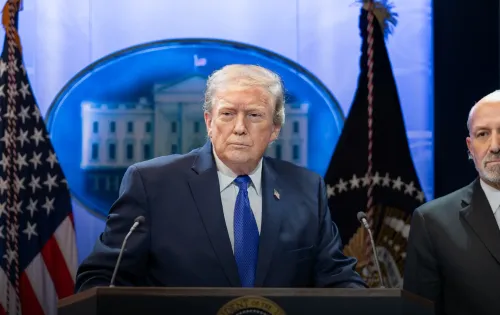
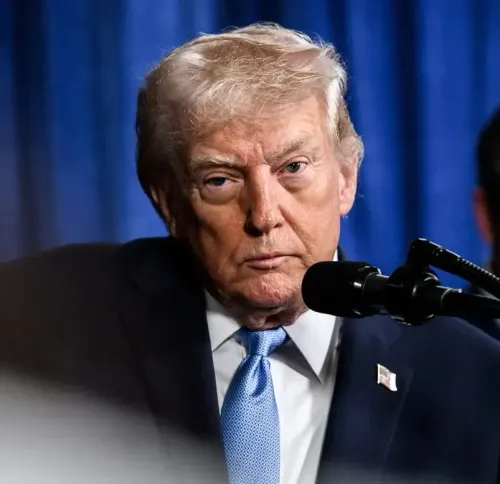
US President Donald Trump signed an executive order on Friday imposing new, broad sanctions on Cuba .
The order blocks property of individuals operating in Cuba's energy, defence, mining, financial services , and security sectors .
Secondary sanctions target foreign financial institutions that conduct significant transactions with Cuban government-linked entities.
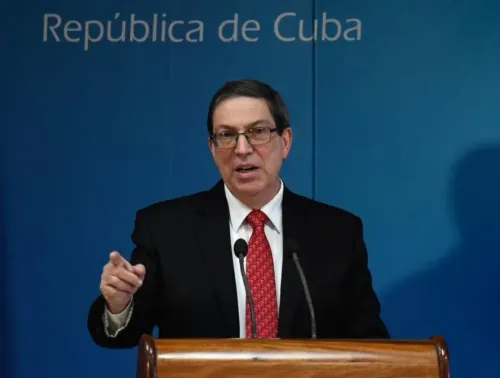
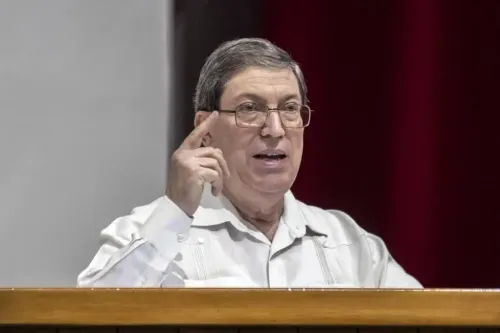
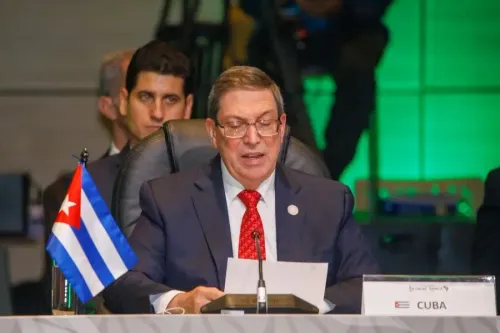
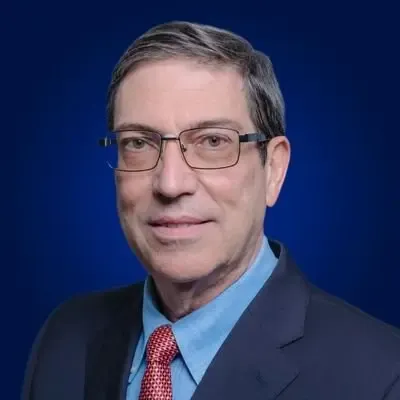
Cuban Foreign Minister Bruno Rodriguez condemned the measures as "unilateral coercive measures" that violate the United Nations Charter .
Rodriguez noted the timing coincided with May 1 rallies in Cuba against the US blockade.
The move marks a sharp escalation from the Biden -era approach and mirrors secondary sanctions mechanisms used against Iran and Venezuela .
Cuba's Foreign Minister Bruno Rodriguez on 2 May 2025 sharply condemned new US sanctions signed by President Donald Trump, calling them "unilateral coercive measures" designed to impose collective punishment on the Cuban people. The denunciation came a day after Trump signed an executive order expanding Washington's economic pressure on Havana, targeting key sectors of the Cuban economy and extending secondary sanctions to foreign financial institutions.
What the Executive Order Contains
President Donald Trump signed the executive order on Friday, blocking all property and interests in property — within the United States or under the control of US persons — belonging to individuals operating in or having operated in Cuba's energy, defence, metals and mining, financial services, and security sectors. The order also covers any other sector of the Cuban economy as may be determined by the Secretary of the Treasury, in consultation with the Secretary of State.
Crucially, the order extends its reach beyond Cuba's borders. It authorises the US government to penalise foreign financial institutions that have conducted or facilitated any significant transaction on behalf of anyone with ties to the Cuban government — a move aimed at limiting Havana's access to the global banking system.
Cuba's Official Response
"We firmly reject the recent unilateral coercive measures adopted" by the US government, Foreign Minister Rodriguez wrote on X. He noted that the announcement coincided with May 1 — International Workers' Day — when, he said, millions of Cubans take to the streets to denounce what Havana describes as the US blockade and an "energy siege."
Rodriguez further argued that "these measures are extraterritorial in nature and violate the United Nations Charter," asserting that Washington has no legal right to impose such measures against Cuba or against third countries and parties that engage with it, according to Xinhua news agency.
Extraterritorial Reach and Secondary Sanctions
The secondary sanctions dimension of Trump's order is particularly significant. By targeting foreign banks and entities that transact with already-sanctioned Cuban-linked individuals, the US effectively places third-country institutions in a position where they must choose between access to the American financial system and continued dealings with Cuba. This approach mirrors mechanisms previously applied against Iran and Venezuela, and critics argue it undermines multilateral trade norms.
Notably, the order also blocks individuals who "own or control, directly or indirectly," any person whose property is already frozen — a broad definition that could sweep in a wide network of Cuban business associates and intermediaries.
Broader Context
The new sanctions represent a sharp escalation in US-Cuba relations under the Trump administration. Washington and Havana have maintained a fraught relationship for decades, with the US embargo — referred to by Cuba as a blockade — having been in place in various forms since 1962. The Biden administration had taken incremental steps to ease some restrictions, but the current executive order signals a firm reversal of that trajectory.
With secondary sanctions now in play, the pressure on Cuba's already strained economy is expected to intensify, and the diplomatic fallout with countries that maintain trade ties with Havana remains to be seen.
Point of View
Many of whom are US allies, to cut ties with Havana or risk losing access to the US financial system. Cuba's invocation of the UN Charter reflects a broader global unease with this enforcement model, one that Washington has deployed with increasing frequency. Whether this tightens the screws on the Cuban government or simply deepens the humanitarian burden on ordinary Cubans — a distinction Rodriguez deliberately foregrounded — is a question that past rounds of sanctions have never convincingly answered.
NationPress
24 Sept 2026
Frequently Asked Questions
What did Trump's executive order on Cuba include?
President Trump's executive order blocks all US-based property and interests of individuals operating in Cuba's energy, defence, metals and mining, financial services, and security sectors. It also imposes secondary sanctions on foreign financial institutions that conduct significant transactions with Cuban government-linked entities, limiting Havana's access to the global banking system.
Why did Cuba condemn the new US sanctions?
Cuban Foreign Minister Bruno Rodriguez rejected the measures as 'unilateral coercive measures' that amount to collective punishment of the Cuban people. He also argued the sanctions are extraterritorial in nature and violate the United Nations Charter.
What are secondary sanctions and why do they matter?
Secondary sanctions penalise foreign banks and entities — not just Cuban ones — that conduct transactions with already-sanctioned individuals or entities tied to Cuba. This forces third-country institutions to choose between dealings with Cuba and access to the US financial system, dramatically expanding Washington's economic leverage beyond its own borders.
How do the new sanctions affect Cuba's economy?
The sanctions are expected to further strain Cuba's already weakened economy by restricting its access to global banking and deterring foreign businesses from engaging with key Cuban sectors. The energy and financial services sectors are among those directly targeted.
How do these sanctions compare to previous US policy on Cuba?
The Biden administration had taken incremental steps to ease some Cuba restrictions. Trump's new executive order marks a sharp reversal, escalating pressure through secondary sanctions — a mechanism previously used against Iran and Venezuela — signalling a return to a maximum-pressure approach.