Did Trump Just Declare Cuba a National Security Threat?
Synopsis
In a dramatic move, President Trump has labeled Cuba a national security threat, leading to a new tariff regime targeting oil suppliers to the island. This declaration emphasizes the perceived dangers posed by Cuba's alliances and actions on U.S. security and foreign policy. Find out more about the implications of this decision.
Key Takeaways
Trump's declaration marks a significant shift in U.S. policy toward Cuba.
A new tariff regime will target countries supplying oil to the island.
Cuba's alliances with hostile nations are cited as a major concern.
The order is aimed at enhancing U.S. national security.
It emphasizes the need to support the aspirations of the Cuban people for democracy.
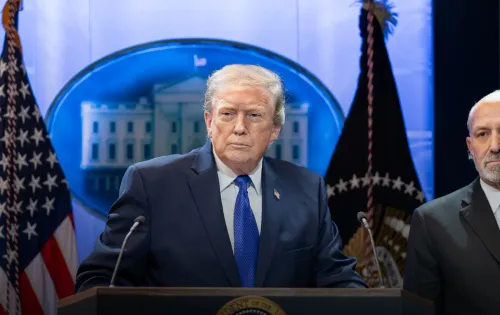
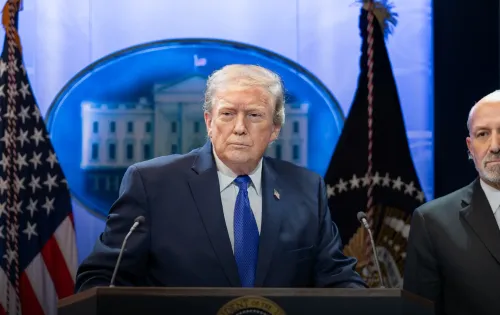
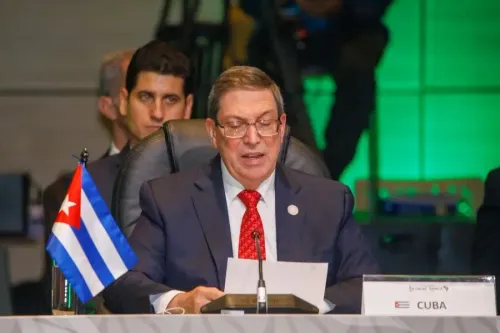
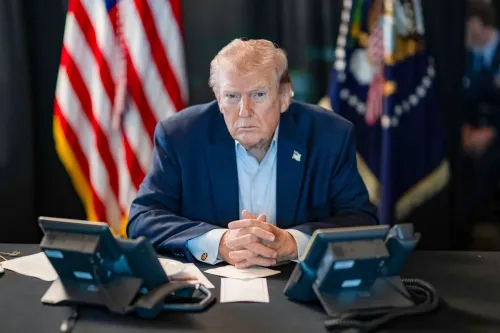
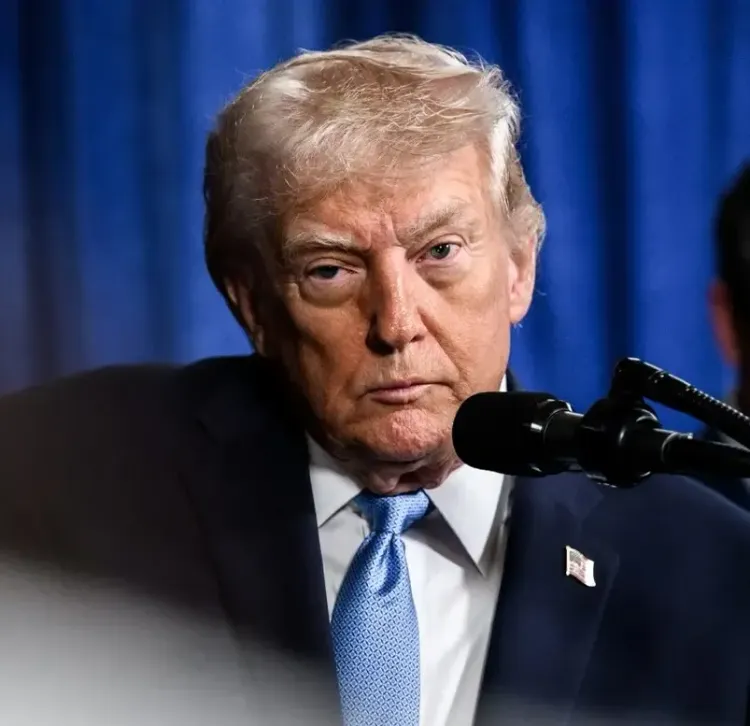
Washington, Jan 30 (NationPress) President Donald Trump has declared a national emergency due to what he describes as an “unusual and extraordinary threat” from the Government of Cuba. He has mandated the establishment of a new tariff regime that may impose penalties on nations supplying oil to the island.
In an executive order issued at the White House, Trump asserted that the actions, policies, and practices of the Cuban government endanger the national security and foreign policy of the United States, thus necessitating emergency measures under existing legislation.
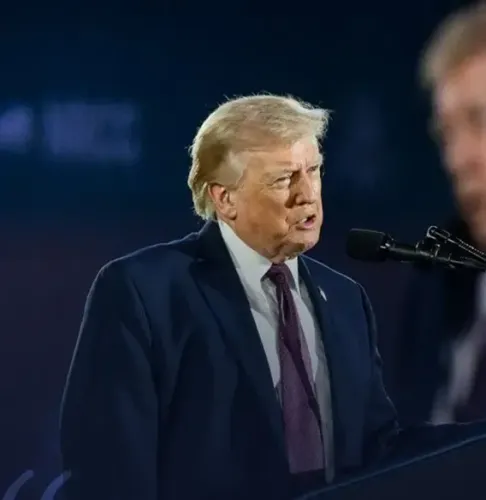
“As President of the United States, my primary duty is to safeguard the national security and foreign policy of our nation,” Trump remarked, indicating that the situation with Cuba represents an unusual and extraordinary threat, largely stemming from external sources.
The order accuses Havana of forming alliances with and offering support to “numerous hostile nations, transnational terrorist organizations, and malign entities opposed to the United States,” including Russia, China, Iran, Hamas, and Hezbollah.
Trump stated that Cuba is “openly hosting dangerous adversaries of the United States,” allowing them to establish “sophisticated military and intelligence assets” on Cuban soil that directly jeopardize U.S. national security.
He referenced what the order identifies as Russia’s largest overseas signals intelligence facility operating within Cuba and noted the island’s ongoing efforts to strengthen “intelligence and defense cooperation” with China.
The executive order further claims that Cuba provides a welcoming environment for transnational terrorist groups such as Hezbollah and Hamas, enabling them to forge economic, cultural, and security connections throughout the region and seek to destabilize the Western Hemisphere, including the United States.
According to the order, Cuba has historically offered defense, intelligence, and security assistance to adversaries in the Western Hemisphere to undermine U.S. and international sanctions aimed at maintaining regional stability, the rule of law, and U.S. national security interests.
Beyond security affiliations, Trump accused the Cuban communist regime of fostering terrorism and destabilizing the region through migration and violence, while simultaneously oppressing its populace.
“The communist regime tortures and persecutes its political adversaries; denies the Cuban people their rights to free speech and press; corruptly benefits from their suffering; and engages in other human rights violations,” the order states. It also highlights reprisals against the families of political prisoners, harassment of worshippers, limitations on civil society, prohibitions against a free press, and constraints on free expression, including online.
“The United States will not tolerate the abuses of the communist Cuban regime,” Trump declared, pledging to protect U.S. foreign policy, national security, and national interests while “remaining committed to supporting the aspirations of the Cuban people for a free and democratic society.”
To tackle the declared national emergency, Trump ordered the creation of a tariff system under which an additional ad valorem duty may be levied on imports from any foreign nation that directly or indirectly provides oil to Cuba.
Under the new order, the Secretary of Commerce, in collaboration with the Secretary of State, will determine if a foreign country is supplying oil to Cuba, even through intermediaries or third nations. Upon such a determination, the Secretary of State, along with the Treasury, Commerce, Homeland Security, and the U.S. Trade Representative, will assess whether and to what extent additional tariffs should be applied.
Point of View
It is essential to recognize the gravity of President Trump's declaration regarding Cuba. This move reflects ongoing tensions and the complexities of international relations. While the U.S. government seeks to ensure national security, it is crucial to consider the implications for the Cuban population and regional stability as a whole.
NationPress
30 Sept 2026
Frequently Asked Questions
What prompted Trump's declaration regarding Cuba?
President Trump cited Cuba's alliances with hostile nations and terrorist groups as a significant threat to U.S. national security, leading to the declaration of a national emergency.
What new measures are being implemented?
A new tariff system is being established that may impose penalties on countries that supply oil to Cuba, targeting both direct and indirect sources.
How does this impact U.S.-Cuba relations?
This declaration indicates heightened tensions and may further complicate diplomatic efforts between the U.S. and Cuba, affecting both foreign policy and humanitarian conditions.
What actions will the U.S. government take concerning oil suppliers?
The Secretary of Commerce, in consultation with the Secretary of State, will assess which countries are supplying oil to Cuba and determine the extent of any additional tariffs.
What does this mean for the Cuban people?
While aimed at government actions, these measures could have broader implications for the Cuban population, affecting economic conditions and access to resources.