ISI spy network in India: 80% are ordinary people with no police record

Synopsis
India's intelligence agencies are confronting a structurally new ISI spy network — one built not on trained agents but on ordinary citizens with no records, no training, and no visibility. With 80% of the network now made up of such individuals, and over 400 arrested post-Operation Sindoor, officials warn the real challenge has only just begun.
Key Takeaways
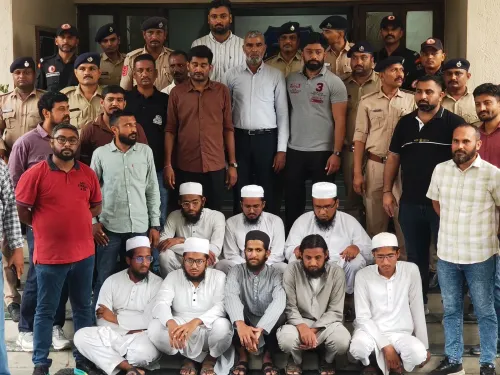
Over 400 ISI-linked individuals have been arrested across India following Operation Sindoor , with most arrests in northern states .
Ordinary citizens with no police records now make up nearly 80% of the ISI's active espionage network inside India.
The ISI has temporarily paused recruitment of high-profile targets such as influencers following the arrest of Jyoti Malhotra and subsequent crackdowns.
Most recruits were reportedly lured with money , honey-trapped, or approached via social media .
Intelligence officials say the ISI's long-term goal is a resilient spy network in every major Indian city , with defence installations as primary targets.
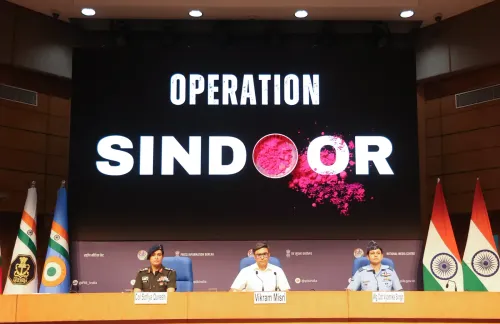
Indian central intelligence agencies have sounded a fresh alarm over the Inter-Services Intelligence (ISI)'s expanding espionage network inside India, warning that the spy ring has undergone a fundamental structural shift — one that makes it far harder to detect and dismantle. Post-Operation Sindoor, more than 400 ISI-linked individuals have been arrested across multiple states, yet officials caution that the cleanup is far from complete.
The New Face of ISI Recruitment
According to intelligence officials, the ISI has dramatically changed its hiring strategy. While high-profile recruits — social media influencers, individuals working in or near sensitive establishments — remain part of the network, the agency has increasingly pivoted to recruiting ordinary, unknown citizens with no police records and no visible footprint in society.
These individuals receive minimal training and have limited contact with their handlers. They are simply briefed on what information to collect and how to pass it on. Officials say this low-contact model is deliberate: it reduces exposure and makes detection significantly harder for Indian agencies.
Crucially, these ordinary recruits now account for nearly 80 per cent of the ISI's active espionage network inside India — a figure that has alarmed the intelligence establishment. "These persons are moving around freely and are completely off the radar," an official said.
The ISI's Numbers Game
An Intelligence Bureau (IB) official explained that the ISI's current doctrine is one of volume over quality. The Pakistani spy agency, aware that arrests are inevitable, is deliberately recruiting as many people as possible to ensure that espionage operations continue unabated even as individuals are picked up. The strategy is attrition-proof by design.
Most of those arrested post-Operation Sindoor were reportedly lured with money. Others were honey-trapped, while a significant number were recruited through social media platforms. A majority of the arrests have taken place in the northern states of India.
High-Profile Recruitment Paused Amid Heat
In a notable tactical adjustment, officials say the ISI has temporarily halted outreach to influencers and individuals within sensitive establishments. The crackdown following the arrest of Jyoti Malhotra — a content creator accused of passing information to Pakistani handlers — triggered a thorough scrutiny of social media accounts and YouTube channels. Following her arrest, scores of similar individuals were picked up by Indian agencies, prompting the ISI to pull back on that front for now.
This pause, however, is seen as temporary. Officials believe the ISI will resume high-profile recruitment once the immediate pressure subsides.
Targets: Temples, Railways, Defence Installations
Intelligence inputs suggest that the information being gathered is not incidental — it is part of a larger operational plan. According to officials, the ISI's stated intent is to use the intelligence to plan a series of attacks inside India. Hindu temples, railway stations, and other crowded civilian locations have been identified as potential targets. However, the primary focus, officials say, remains defence installations, with the ISI calculating that striking military infrastructure would cause maximum embarrassment to the Indian armed forces.
The push is also driven by domestic compulsions within Pakistan. Officials say the ISI is eager to erase the humiliation it suffered during Operation Sindoor, in which Indian armed forces struck back in response to the Pahalgam attack. Pakistan's establishment reportedly attempted to spread a counter-narrative domestically, but officials note that the effort had limited success — "the ordinary Pakistani knows the reality and has stopped buying what the establishment is trying to sell," one official said.
What Agencies Are Warning
Indian intelligence agencies assess that a direct strike inside India may be difficult for the ISI to execute in the near term. Nevertheless, officials warn that the ISI has no intention of scaling back its recruitment drive. The long-term objective, they say, is to build a dense espionage presence in every major city in India — a network that would be resilient to arrests and capable of sustained intelligence collection.
The warning underscores the scale of the challenge ahead: with four in five ISI-linked operatives carrying no criminal history and living unremarkable lives, the conventional tools of counter-intelligence face their stiffest test yet.
Point of View
And it deserves more scrutiny than it typically receives. Counter-intelligence doctrine is built around profiling — criminal records, foreign travel, unusual financial flows. A network deliberately seeded with individuals who trigger none of those markers is a structural challenge, not just an operational one. The ISI appears to have studied Indian detection methods and engineered around them. The Jyoti Malhotra case was a wake-up call, but she was a visible influencer — precisely the profile agencies are trained to watch. The harder question is what Indian agencies plan to do about the four in five who look like nobody.
NationPress
24 Sept 2026
Frequently Asked Questions
What is the ISI's new spy recruitment strategy in India?
The ISI has shifted to recruiting ordinary citizens with no police records and minimal social visibility, who now make up nearly 80% of its espionage network inside India. These individuals receive little to no training and are simply instructed on what information to collect and how to pass it to handlers.
How many ISI-linked spies have been arrested after Operation Sindoor?
Over 400 ISI-linked individuals have been arrested across various Indian states following Operation Sindoor, with a majority of arrests taking place in northern states. Officials say most were lured with money, honey-trapped, or recruited via social media.
Who is Jyoti Malhotra and why does her arrest matter?
Jyoti Malhotra is a content creator arrested on suspicion of passing information to Pakistani handlers. Her arrest triggered a sweeping scrutiny of social media accounts and YouTubers by Indian agencies, leading to scores of additional arrests and prompting the ISI to temporarily pause recruitment of high-profile individuals.
What targets is the ISI reportedly planning to strike inside India?
According to intelligence officials, the ISI's plan involves targeting Hindu temples, railway stations, and other crowded civilian locations, with the primary focus on defence installations. Officials say the intent is to cause maximum embarrassment to the Indian armed forces.
Why has the ISI ramped up espionage inside India after Operation Sindoor?
Officials say the ISI is motivated by a desire to erase the humiliation it suffered during Operation Sindoor, in which Indian forces struck in retaliation for the Pahalgam attack. Pakistan's domestic counter-narrative reportedly failed to gain traction, adding pressure on the ISI to demonstrate capability.