Did Operation Sindoor Reveal ISI's Intelligence Shortcomings, Leading to a Costly Reset for Pakistan?
Synopsis
Operation Sindoor has exposed critical weaknesses in the ISI's intelligence capabilities, compelling Pakistan to rethink its national security approach. As the country grapples with internal and external threats, the focus is shifting towards technology-driven intelligence enhancements.
Key Takeaways
Operation Sindoor has exposed significant gaps in the ISI's intelligence operations.
Pakistan is shifting to technology-driven intelligence gathering.
The country is increasing defense spending to enhance digital capabilities.
Relying less on foreign technology is a new strategic goal.
Internal security threats are prompting urgent reforms.
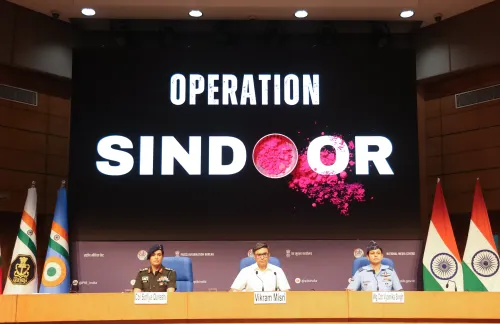
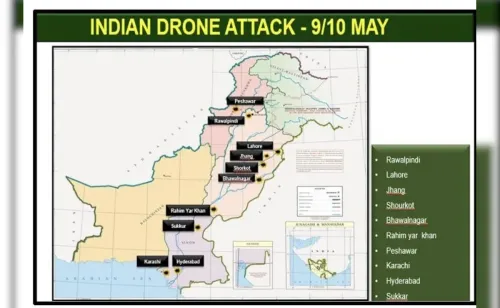
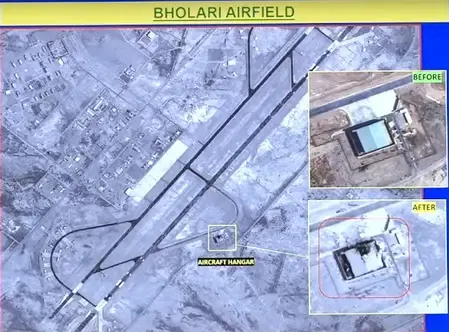
New Delhi, Jan 26 (NationPress) Operation Sindoor has initiated a significant transformation in Pakistan's national security strategy. The ISI, regarded as one of the most formidable intelligence agencies globally, was caught off guard during this operation, as the Indian military successfully targeted numerous terror launch pads and critical infrastructure.
This oversight has resulted in considerable embarrassment for the ISI.
An official noted that the agency's failure was largely due to its reliance on outdated human intelligence methods in a rapidly evolving landscape. There has been minimal enhancement in their digital capabilities, the source added.
Another official indicated that the ISI is transitioning from traditional human intelligence to a more technology-driven approach. The inadequacies in the ISI's operational methods were starkly highlighted by the actions of the Indian armed forces.
In the aftermath of the operation, the ISI and other Pakistani agencies conducted a thorough evaluation. It was concluded that funding must increase significantly to boost digital capabilities.
New technical equipment is being procured to improve data-driven surveillance and secure communications.
Moreover, the objective is to lessen reliance on Western and Chinese technologies, which Pakistan has depended on for years.
An official from the Intelligence Bureau stated that the ISI is in the midst of overhauling its traditional intelligence-gathering methods to better identify internal and external threats.
Besides 'Operation Sindoor', other factors necessitating this transformation include the internal challenges facing Pakistan.
The Pakistani Army has suffered considerable setbacks from groups like the Tehrik-e-Taliban Pakistan (TTP) and the Baloch Nationalist Army (BLA) due to inadequate intelligence. Reports indicate that during numerous attacks, the Pakistan Army appeared defenseless, underscoring the weaknesses in intelligence collection.
Furthermore, Pakistan is under pressure from both China and the United States to enhance security in Balochistan. The US seeks rare earths from the region, while China is focused on safeguarding the China-Pakistan Economic Corridor (CPEC) project.
As CPEC 2.0 is being developed, which includes Afghanistan, establishing a robust intelligence framework is critical for Pakistan.
Pakistan has also increased its defense budget by nearly 20 percent, with $9 billion allocated for the current year. A significant portion of these funds will enhance intelligence capabilities, technology, and cybersecurity.
Indian officials assert that the initiatives Pakistan is pursuing may take time, as they have been slow to adapt to technological advancements in their intelligence sector.
The ISI has been preoccupied with schemes in Bangladesh or orchestrating attacks in India, neglecting the internal threats it faces.
The BLA and TTP exemplify how Pakistan's intelligence agencies have been caught unaware, the official added.
Regarding defense funding, the official remarked that there is no assurance that the entire budget would be utilized for its intended purposes.
The Pakistani establishment is rife with corruption, and over the years, this narrative has remained largely unchanged. Generals in Pakistan are known for their lavish lifestyles while the populace struggles through an economic crisis, the official noted.
This pattern seems unlikely to change, with generals expected to take a large share of the defense budget.
Point of View
I believe the events surrounding Operation Sindoor highlight a critical juncture for Pakistan's intelligence landscape. The reliance on outdated methodologies coupled with the urgent need for technological upgrades underscores a broader narrative about national security vulnerabilities. It's essential for Pakistan to adapt swiftly to the changing dynamics of intelligence gathering to ensure not only national safety but also regional stability.
NationPress
11 Oct 2026
Frequently Asked Questions
What is Operation Sindoor?
Operation Sindoor refers to a military operation conducted by Indian forces targeting terror launch pads and infrastructure in Pakistan, revealing significant intelligence failures within the ISI.
Why is the ISI facing criticism?
The ISI is criticized for its outdated intelligence methods and failure to detect the operations conducted by Indian armed forces, leading to a strategic embarrassment.
What steps is Pakistan taking to improve its intelligence?
Pakistan is increasing its defense budget and investing in new technology to enhance its intelligence capabilities and reduce reliance on foreign equipment.
How does this affect regional security?
The transformation in Pakistan's intelligence strategy is crucial for addressing internal threats and ensuring stability in the region, particularly concerning groups like TTP and BLA.
What are the implications for the Pakistan Army?
The Pakistan Army has been negatively impacted by inadequate intelligence, resulting in vulnerabilities during attacks by insurgent groups. Improvement in intelligence is essential for operational effectiveness.