CM Dhami Spotlights Agneri Mata Temple in Almora
Synopsis
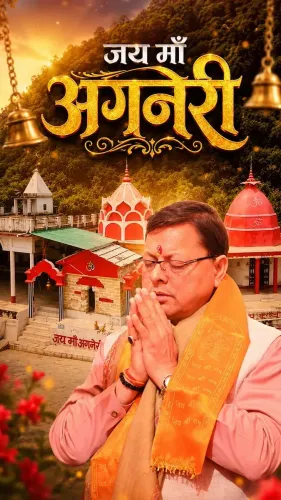
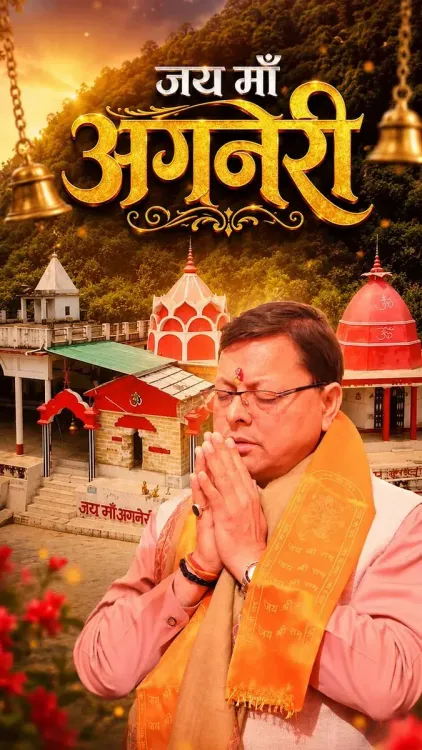
Uttarakhand Chief Minister Pushkar Singh Dhami has spotlighted the ancient Agneri Mata Temple in Chaukhutiya, Almora, calling the Katyuri-era shrine on the Ramganga bank an unparalleled centre of faith and urging visitors to make a stop there.
Key Takeaways
CM Pushkar Singh Dhami promoted the Agneri Mata Temple in Chaukhutiya, Almora via X on 10 July 2026 .
The temple sits on the banks of the Ramganga river and is dedicated to Maa Agneri .
The shrine is linked to the Katyuri dynasty , which ruled the Kumaon region from roughly the 7th to the 13th centuries .
The post is part of a broader state strategy to diversify pilgrimage tourism beyond the Char Dham circuit into interior districts.
Potential follow-up state action on infrastructure or conservation funding for Katyuri-era temples will be closely watched.
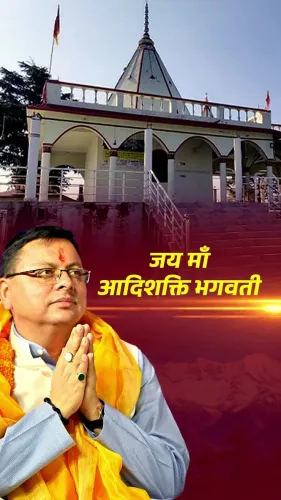
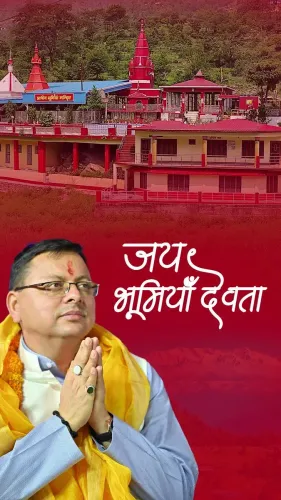
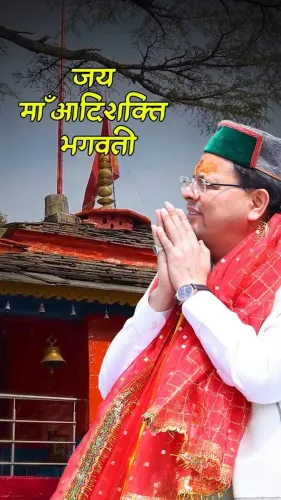
Uttarakhand Chief Minister Pushkar Singh Dhami on Friday, 10 July 2026 took to X to highlight the Agneri Mata Temple in Chaukhutiya, Almora, describing the ancient shrine as an unparalleled centre of faith and devotion situated on the sacred banks of the Ramganga river. The post, written in Hindi, urged visitors travelling to Almora to make a point of visiting the temple.
Context
In his post, CM Dhami described the temple as 'श्रद्धा, आस्था और विश्वास का अद्वितीय केंद्र' — 'an unparalleled centre of reverence, faith and belief'. He noted the shrine's association with the Katyuri era, calling it a site of divine atmosphere and cultural significance. The Chief Minister concluded with a direct appeal: 'Do visit this sacred temple when you come to Almora.'
The Agneri Mata Temple stands on the banks of the Ramganga, a sacred tributary of the Ganga flowing through the Kumaon region of Uttarakhand. The river itself holds religious significance for local communities, and several ancient temples dot its course through the hills.
Policy Backdrop
The post fits squarely within a long-running state strategy to promote Uttarakhand as Devbhoomi — the 'Land of Gods' — by drawing pilgrim footfall not just to the iconic Char Dham circuit but also to lesser-known heritage sites in interior districts such as Almora. Successive Uttarakhand governments since the state's formation in 2000 have pursued religious tourism circuits designed to distribute economic benefits across remote Himalayan communities.
The Katyuri dynasty, which ruled the Kumaon region roughly from the 7th to the 13th centuries, is credited with constructing numerous temples that remain active places of worship today. Highlighting such sites connects contemporary tourism policy to a deep historical and architectural legacy that distinguishes Uttarakhand from other pilgrimage destinations.
Stakeholders and Impact
The most immediate beneficiaries of increased attention to the Agneri Mata Temple are local residents and the Kumaon tourism sector, including hoteliers, transport operators, and priests associated with the shrine. Greater pilgrim traffic to Chaukhutiya — a town that sits off the main tourist highways — can provide a meaningful economic stimulus to a community that has historically seen less visitor spending than better-known destinations.
For devotees across Uttarakhand and the broader Hindi-speaking belt, the Chief Minister's endorsement adds institutional visibility to a site that many pilgrims may have been unaware of. Social-media amplification by a sitting chief minister carries significant reach, particularly among younger travellers planning heritage or spiritual itineraries.
What's Next
Observers will watch whether CM Dhami's spotlight on the Agneri Mata Temple is followed by concrete state action — such as infrastructure upgrades, improved road connectivity to Chaukhutiya, or conservation funding for Katyuri-era structures. The Uttarakhand government has in the past paired social-media promotion of heritage sites with formal announcements on development grants and pilgrimage circuit inclusions. If the pattern holds, this post may signal a forthcoming policy move to formally integrate the temple into the state's religious tourism map, giving the ancient shrine a platform commensurate with its historical and spiritual stature.
Point of View
High-reach tool for advancing Uttarakhand's 'Devbhoomi' brand beyond the saturated Char Dham circuit, directing pilgrim attention toward Kumaon's less-visited but historically rich interior. By invoking the Katyuri legacy, the Chief Minister frames heritage conservation and economic development as a single, culturally resonant package — a framing that has broad cross-party appeal in the hill state. The move also quietly pressures district administrations to improve facilities at sites the CM publicly endorses, creating an informal accountability loop. If infrastructure announcements follow, this post will be seen as the opening signal of a wider Kumaon heritage-tourism push ahead of the next electoral cycle.
NationPress
10 Jul 2026
Frequently Asked Questions
Where is Agneri Mata Temple located?
The Agneri Mata Temple is located in Chaukhutiya town in Almora district of Uttarakhand, on the banks of the Ramganga river.
What is the historical significance of Agneri Mata Temple?
The temple is associated with the Katyuri dynasty, which ruled the Kumaon region from roughly the 7th to the 13th centuries and is credited with building many of the region's ancient shrines.
Why did CM Dhami post about Agneri Mata Temple?
CM Pushkar Singh Dhami shared the post on 10 July 2026 to highlight the temple's spiritual and cultural importance and to encourage visitors coming to Almora to include the shrine in their itinerary.
What is the Ramganga river and why is it significant?
The Ramganga is a sacred tributary of the Ganga flowing through the Kumaon region of Uttarakhand; several ancient temples, including Agneri Mata, are situated along its banks.
How does Uttarakhand promote lesser-known pilgrimage sites?
Since its formation in 2000, Uttarakhand has built religious tourism circuits to draw pilgrims beyond the Char Dham yatra to interior district temples, often using social media promotion by senior leaders as a first step.