Puri flags maize's 35% share in India's ethanol push
Synopsis
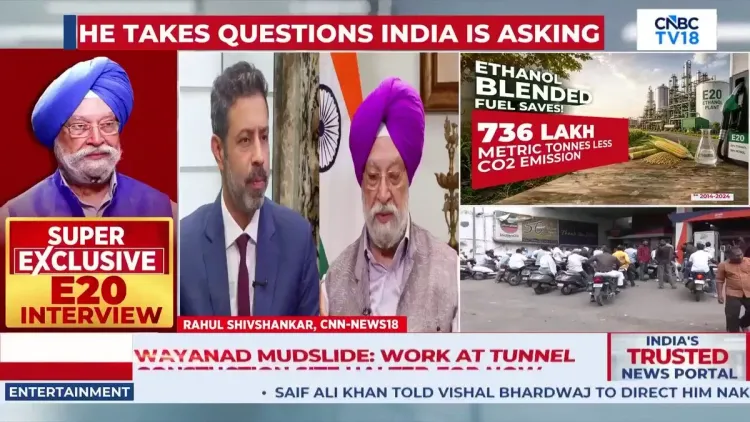
Union Petroleum Minister Hardeep Singh Puri says India has pivoted its ethanol production from water-intensive sugarcane and paddy to maize, with the crop now accounting for nearly 35% of ethanol output — boosting farmer incomes while conserving water resources.
Key Takeaways
Union Petroleum Minister Hardeep Singh Puri announced on 10 July 2026 that maize now accounts for nearly 35 per cent of India's ethanol production.
India has deliberately shifted ethanol feedstocks away from water-intensive crops like sugarcane and paddy toward water-efficient maize .
The shift is designed to simultaneously raise farmer incomes by creating an assured procurement market and advance water conservation goals.
The National Policy on Biofuels 2018 and subsequent Cabinet decisions in 2022–23 provided the policy foundation for incentivising maize-based ethanol.
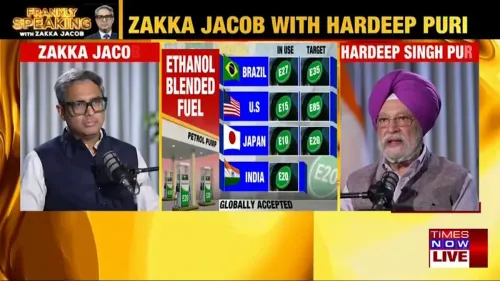
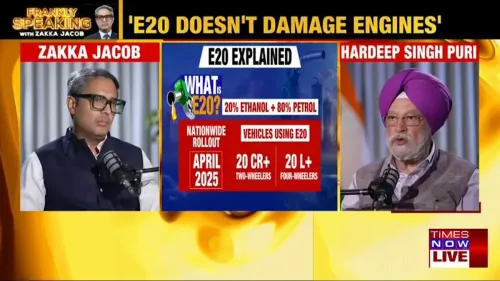
The transition supports India's 20 per cent ethanol blending target while reducing crude-oil import dependence and lowering transport-sector emissions.
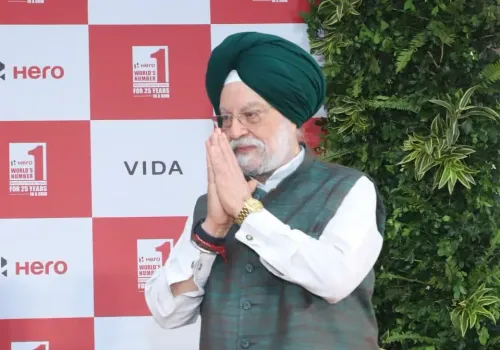
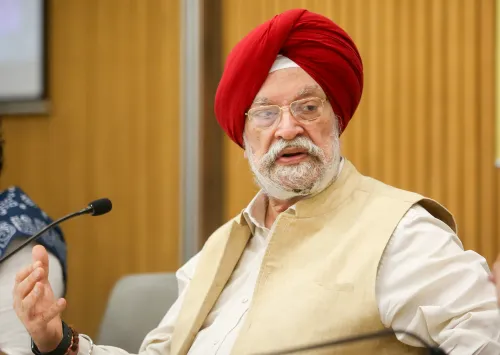
Union Petroleum Minister Hardeep Singh Puri on Friday, 10 July 2026, highlighted a significant shift in India's ethanol production strategy — away from water-intensive crops like sugarcane and paddy, and toward maize, a crop that demands far less water. The minister said maize now accounts for nearly 35 per cent of India's ethanol production, a milestone he linked to both rising farmer incomes and improved water conservation.
Context
Posting in Hindi on X (formerly Twitter), Puri stated: 'Bharat ethanol utpadan ko lekar ganne aur dhan jaisi adhik paani wali faslon se hatakar makka jaisi kam paani wali fasal ki or badha hai' — ('India has moved away from water-intensive crops like sugarcane and paddy for ethanol production and shifted toward water-efficient crops like maize'). He added that this transition is simultaneously boosting farmer incomes and advancing water conservation. The post was accompanied by a video.
The pivot is part of a broader government effort to make India's biofuel programme more sustainable — both economically and ecologically — as the country grapples with water stress in major agricultural belts.
Policy Backdrop
India's Ethanol Blended Petrol (EBP) Programme, first launched in 2003, was substantially expanded under the National Policy on Biofuels 2018, which widened the list of permissible feedstocks beyond traditional molasses to include maize, rice, and other grains. Subsequent Cabinet decisions in 2022–23 specifically incentivised maize-based ethanol to reduce dependence on sugarcane — a crop notorious for its heavy groundwater consumption — while keeping the government's ambitious 20 per cent ethanol blending target by 2025 on track.
The Ministry of Petroleum and Natural Gas has coordinated closely with agriculture ministries and Oil Marketing Companies (OMCs) to build procurement pipelines for maize-based ethanol, offering farmers an assured market and a price signal to diversify away from paddy and cane.
Stakeholders and Impact
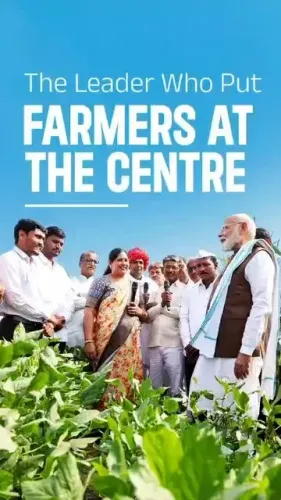
The primary beneficiaries of the feedstock shift are maize farmers, particularly those in water-stressed states where sugarcane cultivation was never viable and paddy farming is being discouraged to conserve aquifers. An assured ethanol procurement market gives these farmers income stability that open-market grain prices alone cannot guarantee.
From an energy-security perspective, every litre of domestically produced ethanol reduces India's dependence on imported crude oil, easing the foreign exchange burden on the current account. Environmentally, replacing water-guzzling crops in the ethanol feedstock mix directly addresses groundwater depletion — one of the most acute agricultural resource challenges facing Punjab, Haryana, and parts of Uttar Pradesh.
The broader biofuel strategy also contributes to lowering transport-sector emissions, aligning with India's climate commitments under the Paris Agreement.
What's Next
Quarterly ethanol supply data released by OMCs will be closely watched to validate whether the 35 per cent maize share figure holds and grows through the current supply year. Any mid-term review of the 20 per cent blending roadmap by the petroleum ministry could further recalibrate feedstock incentives in favour of low-water crops.
If maize's share continues to climb, it could prompt a formal revision of procurement price structures and push state governments in rain-fed agricultural zones to actively promote maize cultivation as a cash crop — deepening the link between India's energy policy and its water conservation agenda.
Point of View
The government signals that its biofuel push is as much about rural income support as it is about fuel security. The 35 per cent maize share figure, if sustained by official supply data, would mark a structural transformation of India's ethanol feedstock mix in under a decade. This positions the petroleum ministry at the intersection of energy, agriculture, and environment policy — an unusually broad mandate that strengthens the ministry's profile ahead of any review of the blending roadmap.
NationPress
10 Jul 2026
Frequently Asked Questions
Why is India shifting from sugarcane to maize for ethanol production?
India is shifting to maize because it requires significantly less water than sugarcane or paddy, helping conserve groundwater in stressed agricultural regions while still meeting ethanol supply targets.
What is India's ethanol blending target?
India has set a target of 20 per cent ethanol blending in petrol by 2025, a goal that has driven the expansion of permissible feedstocks under the National Policy on Biofuels 2018.
How much of India's ethanol now comes from maize?
According to Union Petroleum Minister Hardeep Singh Puri, maize's share in India's ethanol production has reached nearly 35 per cent as of July 2026.
How does the maize-ethanol shift help farmers?
Maize farmers gain an assured government procurement market through the ethanol programme, providing income stability beyond what open commodity markets offer, particularly in rain-fed and water-stressed regions.
What policy enabled maize to be used for ethanol in India?
The National Policy on Biofuels 2018 expanded permissible ethanol feedstocks beyond molasses to include maize and other grains, and Cabinet decisions in 2022–23 added specific incentives for maize-based ethanol production.