Kishan Reddy: PM Modi Visit Boosts India Science Ties
Synopsis
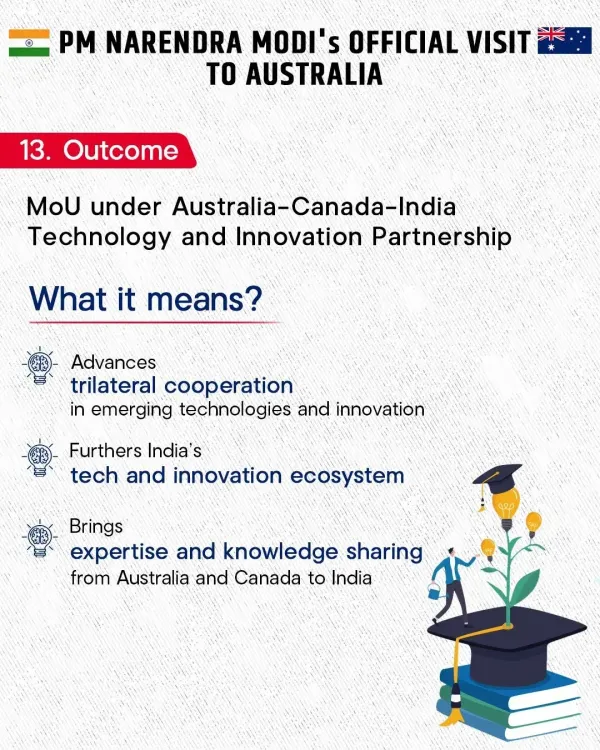
Union Coal and Mines Minister G. Kishan Reddy praised PM Modi's overseas visit on 10 July 2026, saying it strengthens India's science and research ecosystem and deepens bilateral cooperation in emerging technology and scientific innovations.
Key Takeaways
Kishan Reddy , Union Minister of Coal and Mines and BJP Telangana state president, endorsed PM Modi's visit as a boost to India's science and research ecosystem.
The minister said the visit advances cooperation in emerging technology and scientific innovations and marks a 'deeper partnership'.
India's technology diplomacy framework includes the US-India iCET initiative (2022) , covering AI, semiconductors and quantum science.
Research institutions and technology startups are the primary stakeholders expected to benefit from bilateral science agreements.
Follow-on outcomes typically include MoUs, joint research centres and talent-exchange programmes based on the pattern of earlier Modi-era visits.
The statement carries regional significance for Telangana's technology sector, centred in Hyderabad .
Union Coal and Mines Minister G. Kishan Reddy on Friday, 10 July 2026 hailed Prime Minister Narendra Modi's overseas visit as a landmark moment for India's scientific and research ecosystem, saying it advances cooperation in emerging technology and scientific innovations and marks a deeper bilateral partnership.
Context
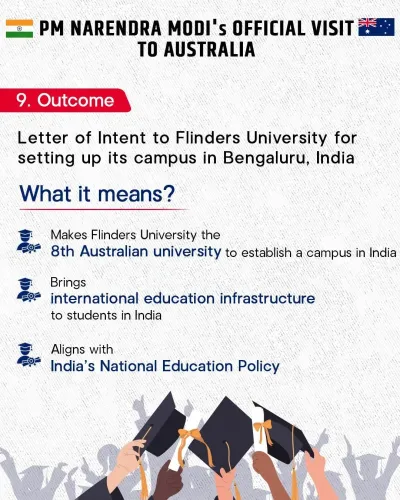
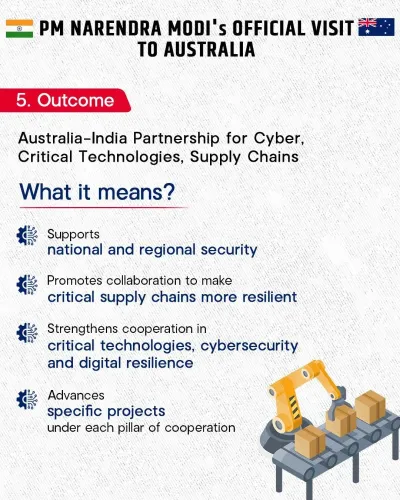
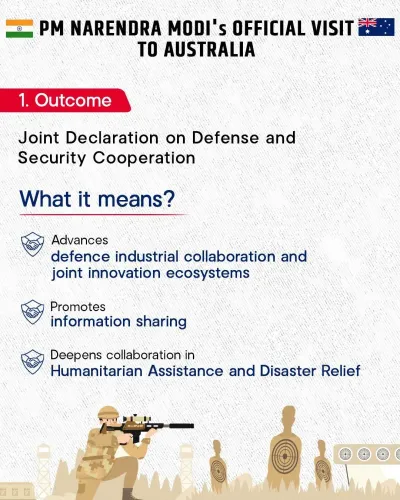
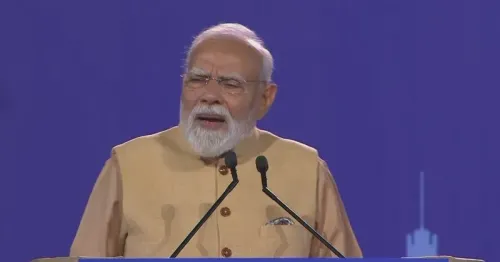
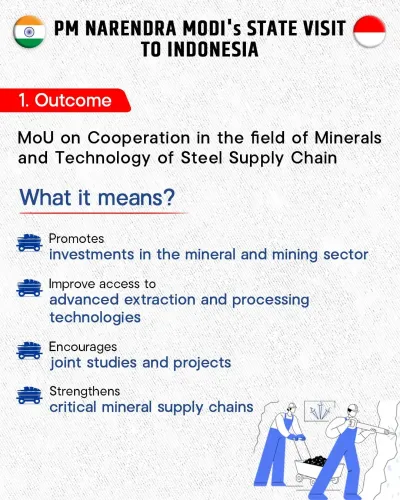
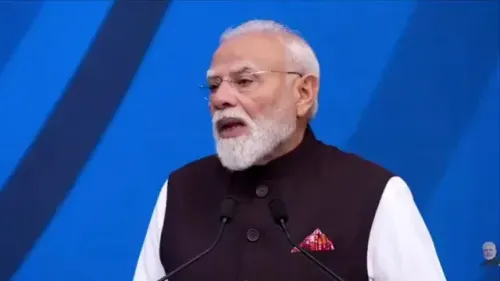
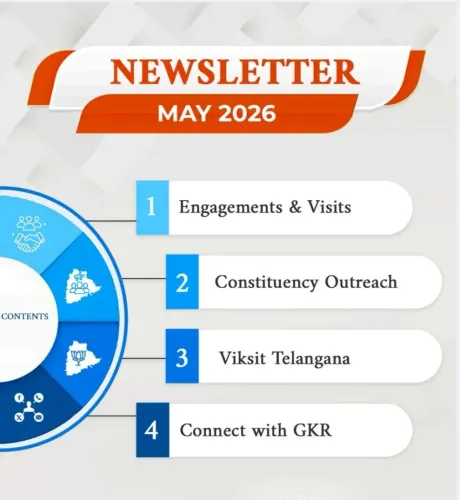
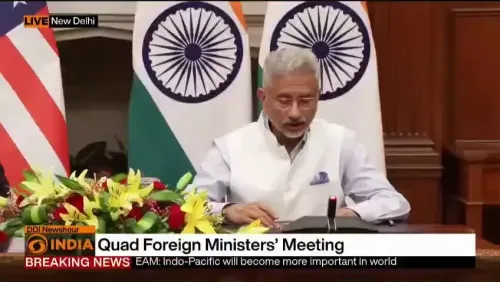
Reposting on X, Kishan Reddy wrote that PM Modi's visit 'strengthens India's Science and Research Ecosystem, advancing cooperation in emerging Technology and Scientific Innovations, marking a deeper partnership.' The minister, who also serves as BJP Telangana state president, shared the post alongside four images underscoring the diplomatic engagement.
The statement positions the visit within a wider diplomatic effort by the Modi government to deepen India's integration into global science and technology networks while preserving strategic autonomy in critical sectors.
Policy Backdrop
India's push for technology-centred bilateral partnerships has a documented lineage. The US-India Initiative on Critical and Emerging Technology (iCET), launched in 2022, created a structured framework for joint work in artificial intelligence, semiconductors and quantum science. PM Modi's 2023 state visit to the United States produced fresh agreements on scientific research, space cooperation and technology innovation, building on that foundation.
These engagements have historically generated memoranda of understanding, joint research centres and talent-exchange programmes, extending a tradition that traces back to the 2005 US-India Civil Nuclear Agreement and subsequent science-and-technology accords. Successive visits have added new layers to this architecture, each broadening the scope of collaborative research.
Stakeholders and Impact
The primary beneficiaries of such bilateral science diplomacy are Indian research institutions and technology startups, which gain access to joint funding pools, co-development opportunities and global talent networks. Academic bodies engaged in quantum computing, semiconductor research and space science stand to benefit most directly from any follow-on agreements.
For Telangana — a state with a significant technology industry presence in Hyderabad — deeper science-and-technology partnerships carry particular economic relevance, adding a regional dimension to Kishan Reddy's endorsement of the visit's outcomes.
What's Next
Observers will watch for follow-on announcements of joint research funding mechanisms, new bilateral technology working groups, or parliamentary scrutiny of related science-budget allocations. The pattern established by earlier Modi-era diplomatic visits suggests that ministerial statements of this kind are often precursors to formal MoU signings or the launch of collaborative research programmes.
Whether the current visit produces binding agreements or framework declarations, the political signalling from a senior cabinet minister reinforces the government's intent to keep science and technology cooperation at the centre of India's foreign-policy agenda.
Point of View
' the minister connects the visit to a well-established policy arc that includes iCET and earlier state-visit deliverables, lending institutional weight to what might otherwise read as a routine endorsement. For a minister whose portfolio is in extractive industries, the pivot to science diplomacy also reflects the BJP's broader messaging that technology-led growth will underpin India's next phase of development. The statement will be watched by research institutions and startups for concrete follow-through in the form of funding announcements or new bilateral working groups.
NationPress
10 Jul 2026
Frequently Asked Questions
What did Kishan Reddy say about PM Modi's visit?
Kishan Reddy said PM Modi's visit strengthens India's Science and Research Ecosystem, advances cooperation in emerging technology and scientific innovations, and marks a deeper bilateral partnership.
What is the iCET initiative between India and the US?
The US-India Initiative on Critical and Emerging Technology (iCET), launched in 2022, is a bilateral framework for joint work in areas such as artificial intelligence, semiconductors and quantum science.
How does PM Modi's visit benefit Indian research institutions?
Such visits typically produce MoUs, joint research centres and talent-exchange programmes that give Indian research institutions access to global funding and co-development opportunities.
Why is Kishan Reddy commenting on science diplomacy?
As a senior BJP cabinet minister and Telangana state party president, Kishan Reddy regularly amplifies key government achievements; his state's large technology sector in Hyderabad gives the topic particular local relevance.
What should we watch for after PM Modi's visit?
Follow-on announcements of joint research funding, new bilateral technology working groups and any parliamentary discussion of related science-budget allocations will indicate the concrete outcomes of the visit.