Kishan Reddy Highlights Education, Green Skilling and Artefact Return in Bilateral Visit
Synopsis
Union Coal and Mines Minister G. Kishan Reddy says a bilateral visit has advanced cooperation in education, green-energy skilling for youth, and the return of sacred artefacts, reflecting India's integrated approach to high-level diplomatic engagements.
Key Takeaways
Union Coal and Mines Minister G.
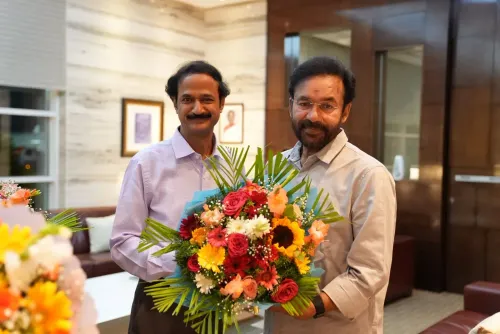
Kishan Reddy on 10 July 2026 highlighted outcomes of a bilateral visit spanning education, green-energy skilling, and cultural artefact repatriation.
The visit is said to have strengthened academic ties and driven Green Energy skilling opportunities for Indian youth.
The return of sacred artefacts was cited as a key deliverable, reflecting a shared commitment to cultural preservation.
India has a documented track record of artefact repatriations under bilateral cultural agreements from 2014 to 2023 .
The Skill India programme, launched in 2015 , has incorporated green-energy modules in bilateral MoUs signed after 2020 .
Formal MoU details and artefact handover timelines are expected to be disclosed through official government channels.
Union Coal and Mines Minister G. Kishan Reddy on Friday, 10 July 2026 highlighted that a recent bilateral visit had advanced cooperation across three distinct tracks: education and academic ties, green-energy skilling for youth, and the return of sacred cultural artefacts. The minister shared his remarks on X, underlining what he described as a shared commitment to cultural preservation alongside forward-looking economic partnerships.
Context
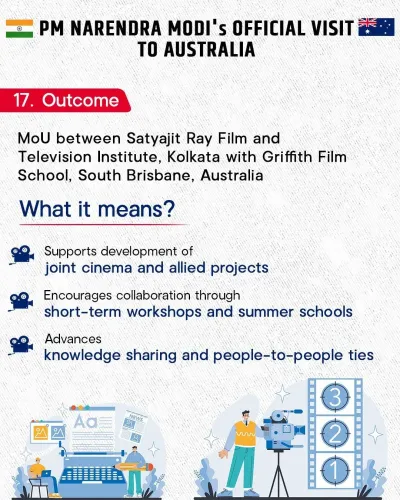
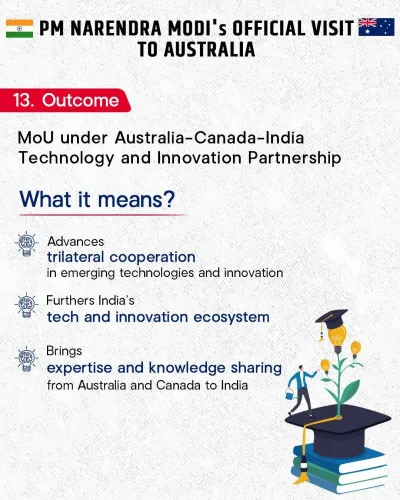
Reddy's post characterised the visit as advancing cooperation in 'Education, Skills and Heritage,' framing the three pillars as mutually reinforcing. The explicit mention of green-energy skilling opportunities signals an effort to align bilateral outcomes with India's broader renewable-energy workforce agenda. The reference to the return of 'sacred artefacts' places cultural restitution at the centre of diplomatic deliverables, a priority that has grown in prominence in recent years.
The minister's remarks follow a well-established pattern in Indian bilateral diplomacy, where high-level exchanges are structured around parallel tracks covering academic partnerships, skills development, and cultural-property restitution — often formalised in joint statements or memoranda of understanding.
Policy Backdrop
India has actively pursued artefact repatriations under bilateral cultural agreements since 2014, with multiple handovers completed through 2023 involving partner nations that hold Indian heritage objects. Each repatriation is typically anchored in a formal diplomatic framework and announced during or after a high-level visit. The return of 'sacred artefacts' mentioned by Reddy fits squarely within this established restitution track.
On the skilling front, Skill India — the national programme launched in 2015 — has progressively incorporated green-energy modules, and several bilateral education and skill-development MoUs signed after 2020 have explicitly included renewable-energy training components. Reddy's reference to 'Green Energy - skilling opportunities for youth' suggests the visit produced or reaffirmed commitments aligned with this framework.
Stakeholders and Impact
Indian youth stand to benefit most directly if new green-energy skilling pathways are formalised, potentially expanding training pipelines in solar, wind, and allied sectors. Heritage institutions — both in India and in the partner country — are the other key stakeholders, as artefact repatriation agreements involve curatorial, legal, and logistical coordination between governments and museums.
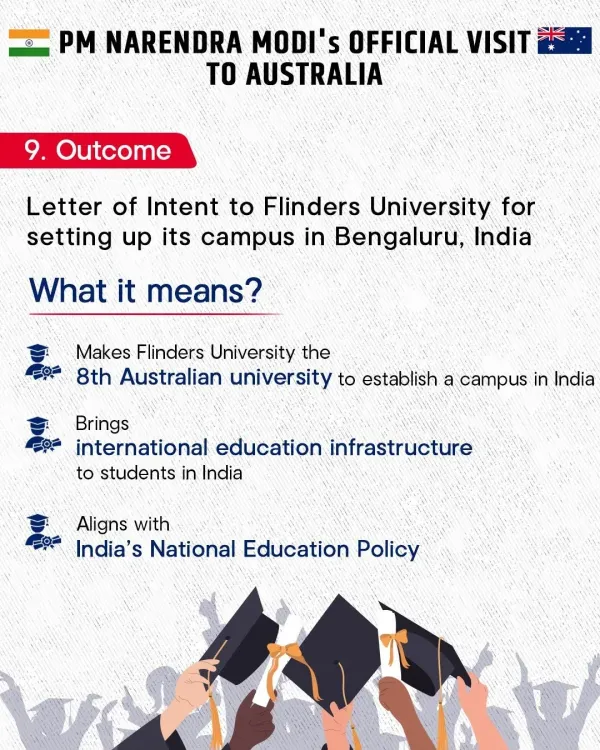
Academic institutions on both sides would be affected by any education MoU that strengthens research collaboration, faculty exchange, or joint degree programmes. Taken together, the three tracks — education, green skilling, and heritage — reflect an increasingly integrated model of bilateral engagement that goes beyond conventional trade or security frameworks.
What's Next
Observers will watch for official Ministry of External Affairs briefings or parliamentary disclosures that detail the specific MoUs signed and the timeline for any scheduled artefact handovers. Green-skilling commitments, if formalised, would likely be routed through the Skill India mission and monitored under its sectoral targets. The convergence of education, energy, and heritage in a single bilateral outcome sets a template that India may replicate in upcoming high-level engagements with other partner nations.
Point of View
Green-energy workforce development, and cultural restitution — into a single bilateral frame, a structure that has become a signature of Indian foreign engagement under the current government. The explicit link between green energy and youth skilling suggests an effort to present coal-to-clean transitions not as economic disruption but as opportunity, which carries political salience for a minister overseeing the energy portfolio. The heritage restitution angle adds soft-power weight to what might otherwise read as a routine diplomatic update. Taken together, the framing positions India as a proactive partner that extracts multi-dimensional value from bilateral visits rather than limiting them to trade or security outcomes.
NationPress
10 Jul 2026
Frequently Asked Questions
What did Kishan Reddy say about the bilateral visit?
Kishan Reddy said the visit advanced cooperation in education, skills, and heritage, including green-energy skilling opportunities for youth and the return of sacred artefacts, reflecting a shared commitment to cultural preservation.
What is the Skill India programme and how does it relate to green energy?
Skill India is a national skilling programme launched in 2015. Since 2020, several bilateral MoUs under its framework have included green-energy training modules, aligning with India's renewable-energy workforce needs.
Has India repatriated artefacts from other countries before?
Yes. India has conducted multiple artefact repatriations from the United States and other countries between 2014 and 2023 under bilateral cultural agreements, making heritage restitution a recurring element of high-level diplomatic visits.
Which country was involved in the bilateral visit Kishan Reddy mentioned?
The specific partner country has not been officially confirmed in the available information. Reddy's post did not name the country, and no verified details about the visit's destination are currently available.
Why is a Coal Minister commenting on education and heritage diplomacy?
As a senior Union Cabinet minister and BJP Telangana state president, Kishan Reddy participates in broader government diplomatic communications beyond his direct portfolio, particularly when visits touch on energy transition and skilling — areas that intersect with his ministerial responsibilities.