Kishan Reddy flags cinema, education gains from bilateral visit
Synopsis
Union Coal and Mines Minister G. Kishan Reddy on 10 July 2026 highlighted that a recent bilateral visit deepens cooperation in cinema and education, promising stronger cultural exchange and expanded international education access for Indian students — aligning with NEP 2020 internationalisation goals.
Key Takeaways
Union Coal and Mines Minister G.
Kishan Reddy on 10 July 2026 posted about a bilateral visit deepening cooperation in cinema and education.
The visit aims to strengthen cultural and knowledge exchange between India and the partner country.
A key stated goal is expanding access to quality international education for Indian students.
The initiative aligns with the National Education Policy 2020 , which promotes internationalisation of higher education through student mobility and twinning arrangements.
India has a broader pattern of using film co-production treaties and education MoUs as instruments of cultural diplomacy alongside high-level visits.
Formal details — including the partner country and specific agreements — are expected from the Ministry of Education and Ministry of Information and Broadcasting .
Union Coal and Mines Minister G. Kishan Reddy on Friday, 10 July 2026 highlighted deepened cooperation in cinema and education as key outcomes of a recent bilateral visit, stating it would strengthen cultural and knowledge exchange and expand access to quality international education for Indian students.
Context
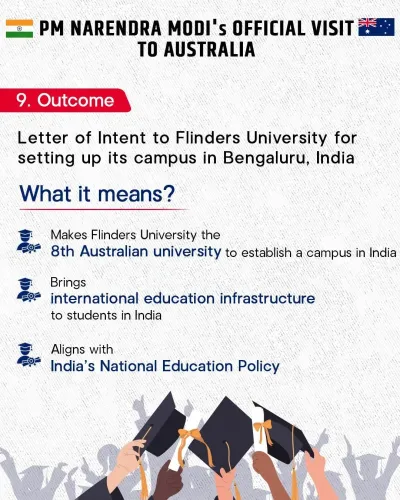
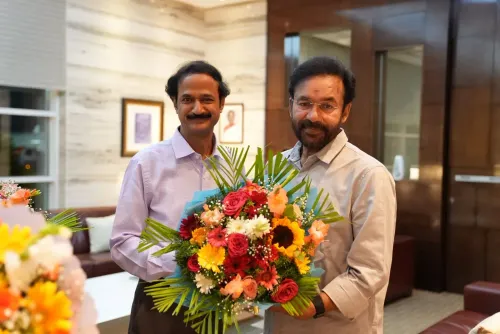
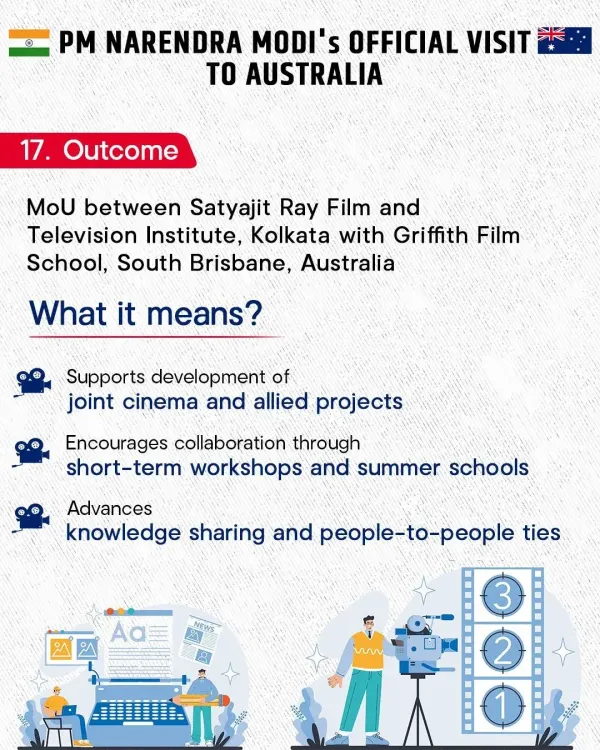
Reposting on X, Kishan Reddy noted that the visit 'further deepens cooperation in the field of Cinema and Education, strengthening cultural and knowledge exchange, expanding access to Quality International Education for Indian Students.' The post was accompanied by two images, though the specific bilateral partner country and visit dates were not named in the post itself.
Such ministerial communications typically follow high-level diplomatic engagements where memoranda of understanding or framework agreements on education and cultural cooperation are signed or reaffirmed.
Policy Backdrop
India's National Education Policy 2020 explicitly promotes the internationalisation of higher education through student mobility programmes, twinning arrangements between Indian and foreign institutions, and the establishment of foreign university campuses on Indian soil. Bilateral education MoUs are a primary instrument through which these goals are pursued at the government level.
On the cultural front, successive Indian governments have used film co-production treaties as tools of soft power, enabling joint productions that reduce costs for filmmakers and expand market access. These agreements often run in parallel with broader diplomatic visits, even when the minister leading the engagement holds a portfolio outside the culture or education ministries.
Stakeholders and Impact
Indian students stand to benefit most directly if the visit yields concrete outcomes such as streamlined visa pathways, mutual recognition of academic credentials, or scholarship frameworks with the partner country. Industry professionals in the Indian film sector could gain from co-production arrangements that open new markets and enable resource sharing.
Cultural diplomacy of this nature also serves a strategic purpose: it builds people-to-people ties that complement formal trade and security relationships, creating durable links between societies beyond government-to-government channels.
What's Next
Formal announcements detailing specific agreements, timelines, and implementing agencies are typically issued through the relevant ministries — in this case, the Ministry of Education and the Ministry of Information and Broadcasting — in the days following such visits. Parliamentary questions on new education MoUs or film co-production agreements arising from this engagement are likely to surface when the legislature is next in session.
If concrete institutional frameworks are formalised, they would represent a tangible step toward the internationalisation goals set out under NEP 2020, with implications for thousands of Indian students seeking quality overseas education options.
Point of View
Reflecting how Indian governments increasingly deploy senior leaders across portfolio boundaries during bilateral engagements to signal broad political commitment. The emphasis on 'Quality International Education' echoes the NEP 2020 internationalisation agenda, suggesting the visit may have produced or reaffirmed institutional frameworks relevant to student mobility. Until the partner country and specific agreements are officially disclosed, the post functions primarily as a diplomatic signal — one that keeps domestic audiences primed for a formal announcement. The pattern fits a broader arc in which cultural and educational cooperation is used to add texture and public appeal to bilateral relationships that may be driven primarily by strategic or economic interests.
NationPress
8 Oct 2026
Frequently Asked Questions
What did Kishan Reddy say about the bilateral visit on 10 July 2026?
He said the visit 'further deepens cooperation in the field of Cinema and Education, strengthening cultural and knowledge exchange, expanding access to Quality International Education for Indian Students.'
Which country did Kishan Reddy visit for cinema and education cooperation?
The specific partner country was not named in the post shared by Kishan Reddy on 10 July 2026; an official announcement from the relevant ministries is expected to provide those details.
How does this visit relate to India's National Education Policy 2020?
NEP 2020 explicitly promotes internationalisation of higher education through student mobility, twinning arrangements, and foreign university campuses in India — goals that bilateral education MoUs of this kind are designed to advance.
What benefits could Indian students get from this bilateral cooperation?
Potential benefits include streamlined visa pathways, mutual recognition of academic qualifications, scholarship frameworks, and broader access to quality international education in the partner country.
Why is the Coal and Mines Minister involved in cinema and education diplomacy?
Senior ministers frequently participate in high-level bilateral visits that span multiple sectors; such engagements are not restricted to a minister's primary portfolio and reflect the government's broader diplomatic priorities.