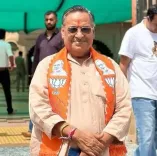
Kishan Reddy Highlights 12 Years of India's Global Rise
Synopsis
Union Minister G. Kishan Reddy marks 12 years of India's global engagement, citing citizen evacuations, remittance leadership, and technical cooperation with over 160 countries as evidence of a stronger, self-confident India on the world stage.
Key Takeaways
Kishan Reddy , Union Coal and Mines Minister and BJP Telangana president, posted on June 19, 2026 reflecting on 12 years of India's global rise.
India is cited as the world's largest recipient of remittances , underlining strong diaspora financial linkages.
The minister claims India has shared expertise with over 160 countries , referencing the country's South-South cooperation drive.
Landmark evacuation operations — Operation Rahat (2015) and Operation Ganga (2022) — exemplify the citizen-welfare diplomacy highlighted in the post.
India's ITEC programme , running since 1964, has expanded training slots for officials from developing nations, reinforcing India's role as a development partner.
The post signals continued political messaging around foreign-policy achievements ahead of multilateral forums expected in late 2026 .
Union Coal and Mines Minister G. Kishan Reddy on Friday, June 19, 2026, reflected on 12 years of India's evolving global footprint, citing advances in citizen welfare, national security, and international development partnerships. The minister, who also serves as BJP Telangana state president, posted the remarks on X, underlining India's emergence as a trusted partner to nations across the developing world.
Context
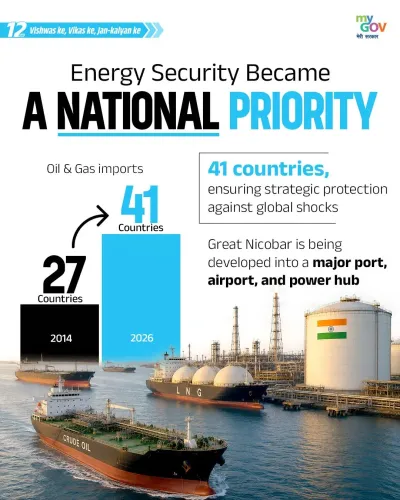
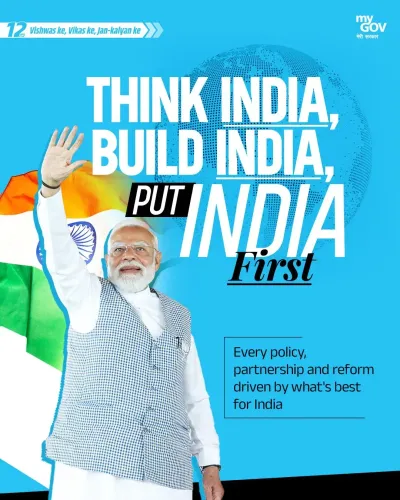
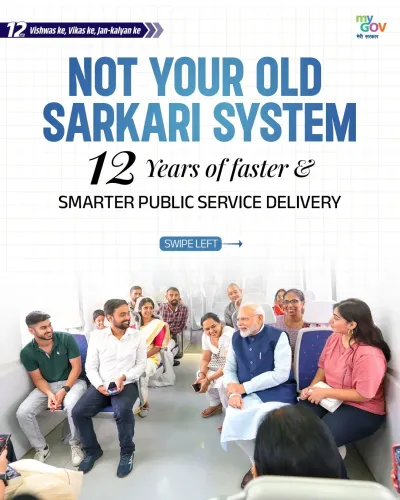
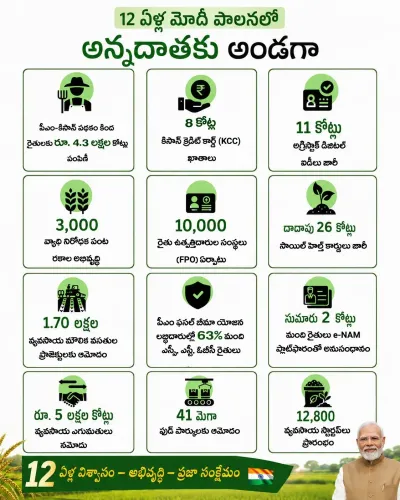
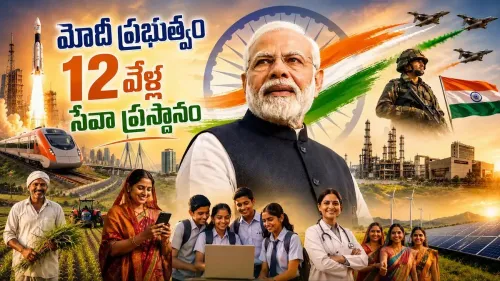
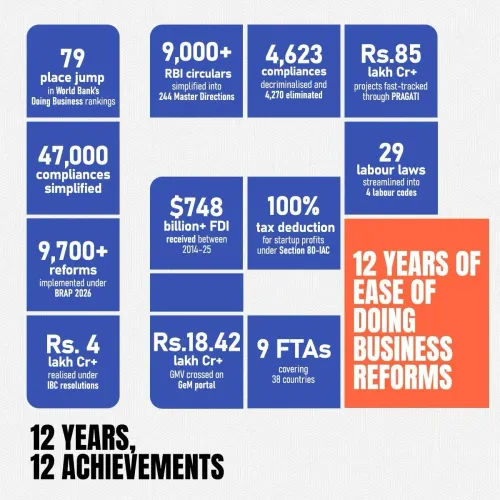
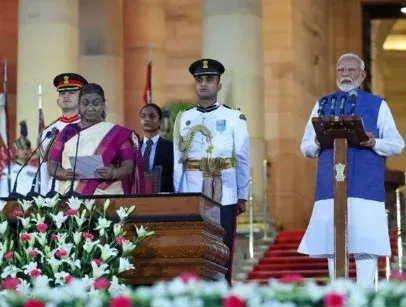
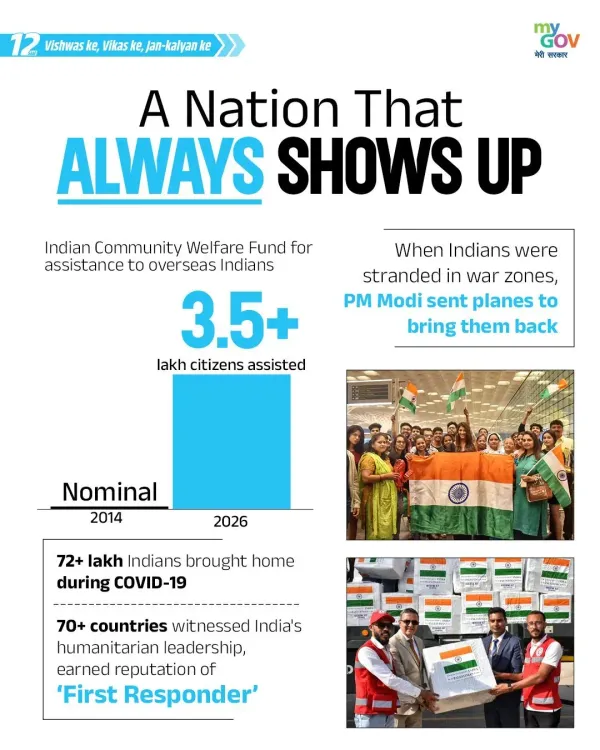
Reddy's post describes a journey in which India has simultaneously strengthened domestic security, assisted its citizens abroad, and deepened ties with partner nations. He notes that India has become 'the largest recipient of remittances' and has shared expertise with 'over 160 countries' — figures that frame the ruling dispensation's foreign and diaspora policy as a coherent, results-driven programme. The post is accompanied by four images that reinforce the visual narrative of an outward-looking India.
The 12-year reference points to the period since 2014, when the current government came to power. Since then, official communications have consistently woven together themes of national self-reliance, diaspora welfare, and South-South cooperation into a single political narrative.
Policy Backdrop
India's evacuation operations have been a visible pillar of citizen-welfare diplomacy. Operation Rahat in 2015 evacuated Indians from Yemen, and Operation Ganga in 2022 airlifted students and nationals from Ukraine as conflict escalated. These missions are routinely cited as proof of the state's capacity and will to protect citizens abroad.
On the development-partnership front, India's Indian Technical and Economic Cooperation (ITEC) programme — operational since 1964 — has expanded significantly in terms of training slots and partner countries under successive governments. The India-Africa Forum Summits, institutionalised from 2008 and carried forward post-2014, extended lines of credit and technical training to African nations, deepening India's role as a voice for the Global South.
Remittance inflows have remained a structural strength: India has consistently ranked as the world's top remittance-receiving nation, with the diaspora's financial contributions forming a significant cushion for the external account.
Stakeholders and Impact
Overseas Indians — numbering in the tens of millions across the Gulf, North America, Europe, and Southeast Asia — are the most direct beneficiaries of the welfare and evacuation frameworks Reddy references. Improved consular services, emergency helplines, and bilateral labour agreements have been part of this outreach.
For developing-country partners, expanded ITEC slots and lines of credit translate into tangible capacity-building: civil servants, health workers, and engineers from over a hundred nations have trained in Indian institutions. This soft-power investment reinforces India's positioning as an alternative development model, distinct from Western conditionality-based aid or Chinese infrastructure financing.
Domestically, the framing serves a political purpose ahead of multilateral forums expected in late 2026, presenting the ruling party's foreign-policy record as a seamless arc of achievement across security, economy, and global standing.
What's Next
Observers will watch for fresh announcements on diaspora welfare mechanisms — such as expanded insurance schemes or new bilateral social-security agreements — as India prepares for upcoming multilateral engagements. Any new ITEC expansion or lines of credit announced at these forums would add substance to the claims Reddy has outlined. The political salience of this narrative is also likely to grow as Telangana heads toward its next electoral cycle, with Reddy's dual role as state party president making such national-achievement messaging doubly relevant to his constituency.
Point of View
Electorally resonant narrative — linking citizen security, economic strength, and global prestige under one umbrella. The 12-year framing is deliberate: it anchors every achievement, from evacuation operations to remittance rankings, to the post-2014 political era. For Reddy specifically, amplifying this narrative serves a dual purpose — reinforcing his national credentials while keeping BJP's Telangana base energised around a pride-of-India message. As multilateral forums approach and opposition parties sharpen their critique of foreign-policy outcomes, such ministerial messaging will likely intensify.
NationPress
19 Sept 2026
Frequently Asked Questions
What did G. Kishan Reddy say about India's global role?
Kishan Reddy posted on X on June 19, 2026, stating that over the past 12 years India has strengthened citizen welfare, enhanced national security, deepened global engagement, and become a trusted development partner, sharing expertise with over 160 countries and becoming the world's largest remittance recipient.
What is India's ITEC programme?
The Indian Technical and Economic Cooperation (ITEC) programme, operational since 1964, provides training and capacity-building support to officials and professionals from developing nations, and has been a key instrument of India's South-South cooperation.
Why is India called the largest recipient of remittances?
India has consistently topped global remittance inflow rankings due to its large diaspora in the Gulf, North America, and Europe, with annual inflows running into tens of billions of dollars, making it the world's top remittance-receiving nation.
What were Operation Rahat and Operation Ganga?
Operation Rahat in 2015 evacuated Indian nationals from Yemen during the civil conflict there, while Operation Ganga in 2022 airlifted Indian students and citizens from Ukraine after the outbreak of war — both are cited as examples of India's citizen-welfare diplomacy.
Who is G. Kishan Reddy?
G. Kishan Reddy is the Union Minister of Coal and Mines in the Indian government and serves as the BJP's Telangana state president, making him a senior figure in both central governance and the party's regional politics.