Puri highlights India's energy diversification, clean fuel push
Synopsis
Petroleum Minister Hardeep Singh Puri says India has grown its energy import basket from 27 to 41 sources since 2014, pushed ethanol blending close to 20%, and is advancing green hydrogen — citing PM Modi's vision for turning crises into structural opportunity.
Key Takeaways
India has diversified its energy import basket from 27 sources in 2014 to 41 sources , according to Minister Puri.
The Ethanol Blending Programme has grown from approximately 1.5% to near the 20% blending threshold .
Flex-fuel and E85-compatible vehicles are being positioned to lower consumer fuel costs and cut crude import dependence.
The National Green Hydrogen Mission is cited as the foundation for a new industrial energy ecosystem targeting jobs and investment.
India's strategy combines import diversification, strategic reserve expansion, and domestic clean-fuel scaling to build long-term energy resilience.
The minister linked the approach directly to PM Modi 's philosophy of using geopolitical crises as opportunities for structural reform.
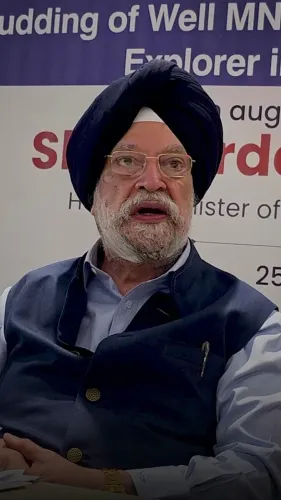
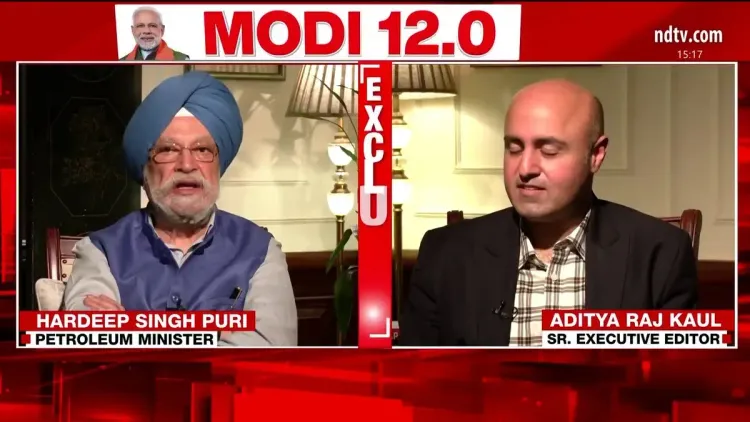
Union Petroleum Minister Hardeep Singh Puri on Monday, June 8, 2026, credited Prime Minister Narendra Modi's energy diplomacy for keeping India's fuel supplies uninterrupted amid global geopolitical disruptions, pointing to a widening of import sources and accelerating clean-energy programmes as evidence of structural resilience.
Context
In a detailed post on X, Puri argued that India has expanded its crude and energy import basket from 27 sources in 2014 to 41 sources today, insulating the country from supply-chain shocks that have hit other economies. 'While many countries struggled with shortages and soaring prices, India protected its citizens because we planned ahead, diversified supply chains, strengthened strategic reserves, expanded sourcing options, and took difficult decisions when required,' he wrote.
The minister framed the diversification not merely as crisis management but as a deliberate long-term strategy. He attributed the approach directly to PM Modi's philosophy of 'using every crisis as an opportunity to build the future.'
Policy Backdrop
India's push to widen its energy sourcing base has been a defining feature of petroleum policy since 2014, moving beyond traditional Gulf suppliers to include a broader mix of producers across multiple continents. This strategy has run in parallel with a domestic biofuels drive anchored in the National Policy on Biofuels (2018).
On the biofuels front, Puri highlighted that the Ethanol Blending Programme has grown from approximately 1.5% to near the 20% blending threshold — a target that was formally accelerated under a 2021-22 policy push aimed at an E20 rollout. He also flagged the emergence of flex-fuel technology and E85-compatible vehicles as tools that will 'provide more fuel choices, lower operating costs, and reduce dependence on imported crude.'
Strategic petroleum reserves have also been expanded in phases, with a Phase-II capacity addition approved as far back as 2018-19, giving India a buffer against sudden supply disruptions.
Stakeholders and Impact
The minister's remarks touch three distinct constituencies: Indian consumers, who benefit from fuel-price stability; farmers, who gain an additional revenue stream through ethanol supply to blending programmes; and automobile manufacturers, who face both a mandate and a market opportunity in producing flex-fuel and E85-compatible vehicles.
On the clean-energy side, Puri pointed to the National Green Hydrogen Mission as laying 'the foundation for a new energy ecosystem that can power industries, create jobs, attract investment, and strengthen energy independence.' The mission is designed to position India as both a producer and exporter of green hydrogen, aligning with the country's net-zero 2070 commitment and the broader Atmanirbhar Bharat energy agenda.
What's Next
The immediate milestones to watch are the commercial rollout of E85-compatible vehicles and the actual achievement of 20% ethanol blending volumes across the fuel retail network. On the green hydrogen side, the market will be tracking first large-scale project completions and investment announcements under the mission.
If India consolidates both the biofuel and hydrogen transitions while maintaining a diversified import basket, it would mark a significant structural shift away from the import-dependent energy model that characterised the economy before 2014 — and could set a template for other emerging economies navigating the same geopolitical energy pressures.
Point of View
But the more structurally significant claim is the near-achievement of 20% ethanol blending, which, if confirmed at scale, would represent one of the more consequential biofuel transitions among large emerging economies. Framing the green hydrogen mission alongside ethanol signals an intent to project India as a full-spectrum clean-energy player, not merely a fossil-fuel importer managing costs. The broader arc points toward a government that wants energy security to be read as strategic autonomy — a theme that resonates across the Atmanirbhar Bharat agenda and India's evolving posture in multilateral energy forums.
NationPress
23 Oct 2026
Frequently Asked Questions
How many countries does India import energy from in 2026?
According to Petroleum Minister Hardeep Singh Puri, India now imports energy from 41 sources , up from 27 sources in 2014, reflecting a deliberate diversification of the import basket.
What is India's ethanol blending target and how close is it to being achieved?
India's target is 20% ethanol blending with petrol. Minister Puri stated that the programme has grown from approximately 1.5% to near the 20% threshold, driven by the National Policy on Biofuels and subsequent policy pushes.
What is the National Green Hydrogen Mission?
The National Green Hydrogen Mission is a central government programme to develop green hydrogen production capacity and infrastructure, aimed at powering industries, creating jobs, attracting investment, and reducing India's dependence on imported fossil fuels.
What are E85-compatible or flex-fuel vehicles and why does India want them?
E85-compatible vehicles can run on a fuel blend of up to 85% ethanol and 15% petrol. India is promoting them to give consumers cheaper fuel choices, lower vehicle operating costs, and reduce the country's crude oil import bill.
How has India managed fuel prices during global energy crises?
According to Minister Puri, India managed price pressures by planning ahead, diversifying supply chains, strengthening strategic petroleum reserves , expanding sourcing to 41 countries , and scaling domestic biofuels — insulating citizens from the shortages and price spikes seen elsewhere.