Trump Moves to Cut Home Costs, Slash Mortgage Red Tape

Synopsis
The White House announced on October 22, 2026 that President Trump is pursuing measures to lower single-family homeownership and mortgage costs by eliminating regulatory red tape — extending a deregulatory housing push that began in his first term.
Key Takeaways
Trump announced a drive to lower costs for single-family homeownership and mortgages on October 22, 2026 .
The initiative focuses on removing what the White House calls 'unnecessary red tape' in the home-buying and mortgage process.
The push echoes a 2019 first-term housing reform plan that targeted regulatory barriers and promoted private-sector solutions.
The two groups most directly affected are prospective homebuyers and mortgage lenders .
Specific executive actions or new program details had not been disclosed at the time of the announcement.
Follow-on HUD rulemaking and executive orders will be the key metrics to watch in coming months.
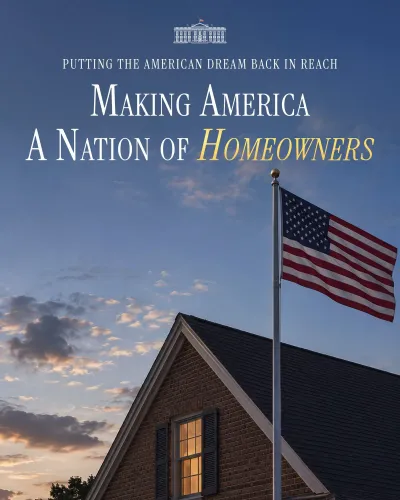
The price of the American dream — a home to call one's own — sits at the centre of President Donald J. Trump's latest policy push, as the White House on Thursday, October 22, 2026 announced a drive to lower single-family homeownership and mortgage costs by stripping away what it calls unnecessary regulatory burdens.
What the White House is targeting
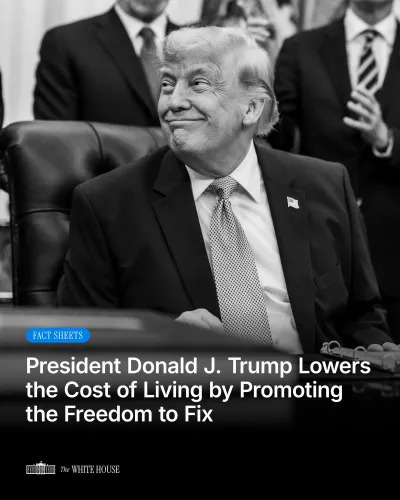
The administration's announcement frames the initiative around two levers: direct cost reduction for buyers and the removal of compliance layers that, in its view, inflate prices before a family ever signs a contract. The White House stated that Trump is 'lowering the costs of single-family homeownership and mortgages, and removing unnecessary red tape to make homeownership more affordable for all Americans.' Specific executive actions or rule-making details were not disclosed in the post itself.
The framing echoes a well-worn Trump-era playbook. During his first term (2017–2021), the administration released a housing reform blueprint in 2019 centred on reducing regulatory barriers and leaning on private-sector solutions — particularly for the financing of single-family homes. The current push appears to extend that arc into a second term.
Deregulation as the throughline
Housing affordability has become one of the sharpest economic pressure points for American families, with mortgage rates and home prices squeezing first-time buyers out of markets across the country. The administration's answer, consistent with its broader governing posture, is to treat regulation itself as a cost driver — the same logic it has applied to energy permitting and financial sector compliance rules.
The ripple effects reach two groups most immediately: prospective homebuyers hoping for lower borrowing costs, and mortgage lenders who stand to operate under a lighter compliance load. Whether that translates into meaningfully cheaper mortgages on the ground depends on the specifics of any executive orders or HUD rulemaking that follow.
What comes next for housing policy
The announcement signals direction more than it delivers detail — the watchpoint is what lands at HUD and in the federal register in the weeks ahead. Rule changes on single-family lending standards or mortgage insurance premiums would carry real numbers that buyers and lenders could price in. Until those specifics emerge, the declaration is a political marker as much as a policy one.
Homeownership rates and housing affordability are perennial ballot-box issues in America. By planting the flag on this terrain now, the Trump White House is betting that the promise of a cheaper path to a front door resonates in households already stretched by years of elevated costs. The proof, as always, will be in the policy details still to come.
Point of View
Which would require congressional buy-in, and instead leans on executive authority over federal housing agencies. For Indian observers tracking US economic policy, the move is a signal that the administration continues to see deregulation — not public spending — as its primary economic tool. The real test arrives when HUD translates this political declaration into binding rule changes with measurable cost impacts.
NationPress
23 Oct 2026
Frequently Asked Questions
What is Trump's new homeownership plan in 2026?
President Trump announced on October 22, 2026 that his administration would lower single-family home and mortgage costs by removing regulatory red tape, building on a deregulatory housing approach that started in his first term.
How will Trump lower mortgage costs for Americans?
The White House says the plan targets 'unnecessary red tape' in the mortgage and homeownership process, though specific rule changes or executive orders had not been detailed at the time of the announcement.
What did Trump do for housing in his first term?
In 2019, the Trump administration released a housing reform plan focused on reducing regulatory barriers and promoting private-sector solutions for single-family housing finance.
Who benefits from Trump's housing deregulation push?
Prospective homebuyers and mortgage lenders are the two groups most directly in line to benefit, with buyers potentially facing lower borrowing costs and lenders operating under reduced compliance burdens.
What should I watch for next in US housing policy?
The key follow-up will be any executive orders or HUD rulemaking on mortgage costs and single-family housing standards — those details will determine the real-world impact on home prices and lending.