White House Targets Biden-Era Rules, Claims Billions in Savings
Synopsis
The White House announced on 21 May 2026 that the Trump administration is rolling back Biden-era federal regulations, claiming billions in savings for Americans. The move revives the deregulatory playbook from Trump's first term and targets rules on climate, labour, and finance introduced between 2021 and 2025.
Key Takeaways
The White House posted on 21 May 2026 that it is cutting Biden-era federal regulations , claiming billions of dollars in savings for Americans.
The announcement targets rules introduced during President Biden's 2021–2025 term covering climate, labour, and finance.
The move echoes Executive Order 13771 from January 2017 , which required agencies to repeal two regulations for every new one added.
Biden had reversed that framework via Executive Order 13992 in January 2021 ; the current administration is reversing course again.
Key stakeholders include small businesses , energy companies , and consumers , though independent verification of claimed savings is pending.
Subsequent OMB disclosures and independent cost-benefit analyses will be critical to assess the real-world impact of the rollback.
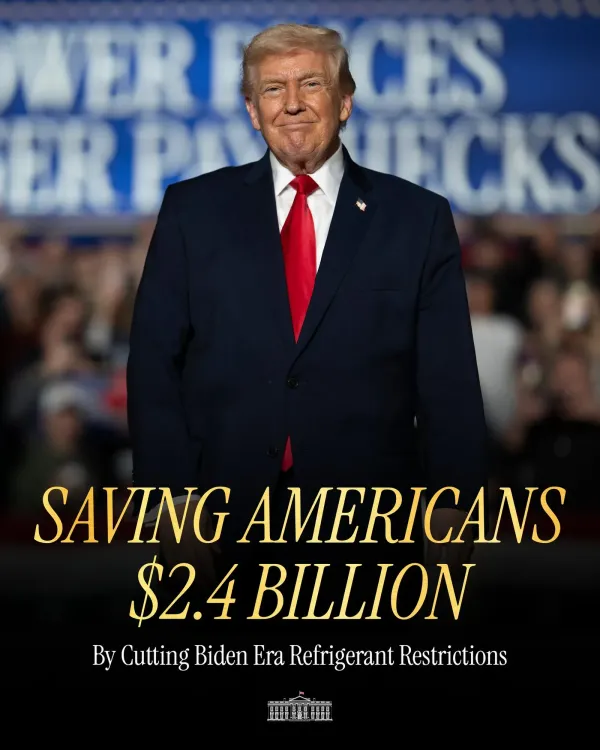
The White House announced on Thursday, 21 May 2026 that the Trump administration is cutting federal regulations inherited from the Biden era, claiming the move will save Americans billions of dollars in compliance costs. The official White House account on X framed the rollback as eliminating what it called 'ridiculous regulations' from the previous administration.
Context
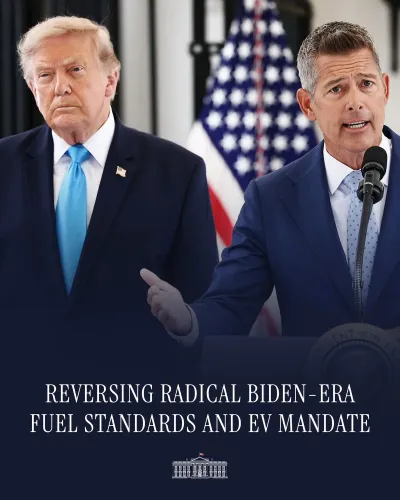
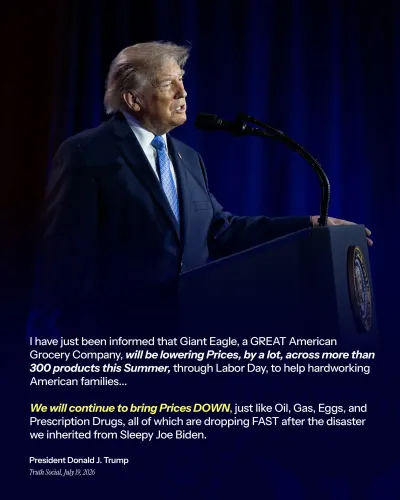
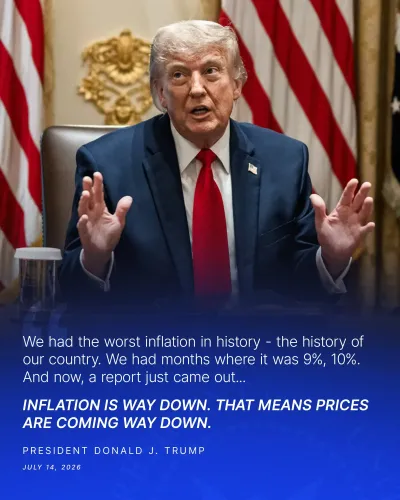
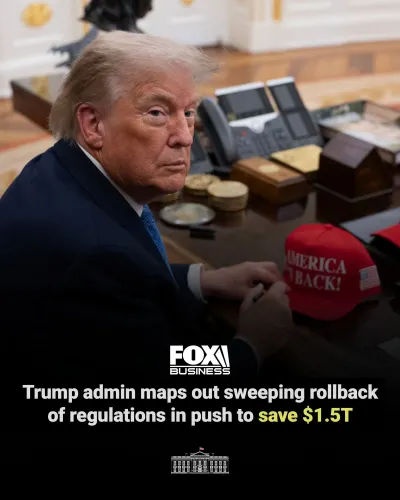
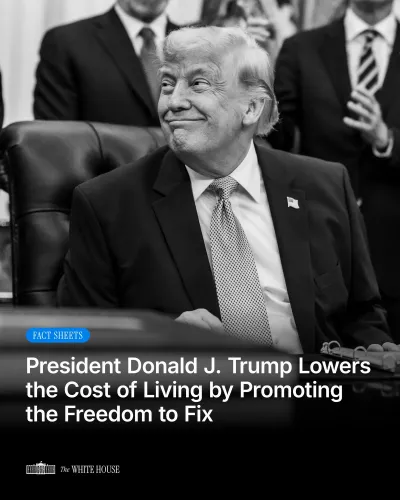
The post, published from the official White House X account, stated: 'Saving Americans billions by slashing Biden's ridiculous regulations.' The message was accompanied by an image and a link to further details. The announcement signals a continued and aggressive deregulatory push under the current administration, targeting rules put in place between 2021 and 2025 under President Joe Biden.
Biden, who served as the 46th President, oversaw a significant expansion of federal rules covering climate, labour, and finance. Those regulations drew sustained criticism from business groups and Republican lawmakers who argued the compliance burden raised costs for small businesses, energy companies, and consumers.
Policy Backdrop
The current deregulatory drive has clear precedent in the Trump administration's first term. In January 2017, President Trump signed Executive Order 13771, which required federal agencies to repeal at least two existing regulations for every new regulation they introduced. That framework reshaped agency rulemaking across energy, environment, and financial sectors.
President Biden reversed course in January 2021 by issuing Executive Order 13992, which revoked several prior orders on regulatory review and reinstated a broader oversight framework. The current administration's actions represent a second reversal of that posture, returning to a model of aggressive regulatory reduction.
Republican administrations have consistently framed deregulation as a direct economic stimulus — lowering costs for businesses and, by extension, households. The White House's framing of 'billions' in savings follows a pattern of cost-benefit language used during the 2017–2021 period, particularly in energy and environmental domains.
Stakeholders and Impact
Small businesses are among the most frequently cited beneficiaries of deregulation, as compliance with federal rules often imposes disproportionate administrative burdens on firms without large legal or regulatory departments. Energy companies also stand to benefit if environmental and operational rules from the Biden era are among those targeted.
Consumer advocacy groups and environmental organisations are likely to push back, arguing that many Biden-era rules were designed to protect public health, worker safety, and financial stability. The specific regulations under review and the methodology behind the 'billions saved' figure have not yet been independently verified.
What's Next
Observers will watch for detailed disclosures from the White House or the Office of Management and Budget (OMB) identifying which specific rules are being repealed or revised. Independent cost-benefit analyses will be critical in assessing whether the claimed savings materialise for ordinary Americans or primarily benefit large corporations.
The broader deregulatory agenda is expected to face legal challenges from states and advocacy groups, as was the case during the first Trump term. Congressional Democrats are also likely to use oversight hearings to scrutinise the economic assumptions underpinning the administration's savings claims.
Point of View
' the post is as much a political contrast statement as a policy announcement. The absence of a specific list of targeted regulations is notable: broad savings claims without itemised rules are difficult to verify and easier to contest. Analysts will watch whether the OMB follows up with granular data, which would shift this from political messaging to a substantive policy record.
NationPress
5 Oct 2026
Frequently Asked Questions
What regulations is the White House cutting in 2026?
The White House has announced a rollback of federal regulations introduced during the Biden administration (2021–2025), particularly in areas such as climate, labour, and finance, though a specific itemised list has not yet been publicly released.
How much money will Americans save from Trump's deregulation?
The White House claims Americans will save billions of dollars, but the exact figure and the methodology behind it have not been independently verified as of the date of the announcement.
What was Executive Order 13771 and is it back?
Executive Order 13771, signed by President Trump in January 2017, required federal agencies to repeal two existing regulations for every new one added. The current deregulatory push revives that philosophy, though a new formal order has not been publicly cited in this announcement.
Did Biden undo Trump's deregulation rules?
Yes. President Biden signed Executive Order 13992 in January 2021, which revoked several Trump-era orders on regulatory review and restored a broader federal oversight framework. The Trump administration is now reversing that reversal.
How does US deregulation affect India and Indian businesses?
US regulatory changes can affect Indian exporters and companies operating in the American market, particularly in energy, finance, and manufacturing sectors, as shifts in compliance standards and trade costs can alter competitive dynamics.