Puri flags India's energy transition push under PM Modi
Synopsis
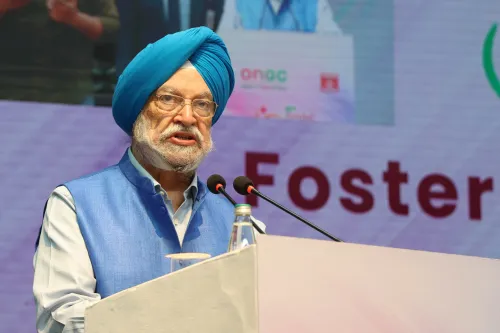
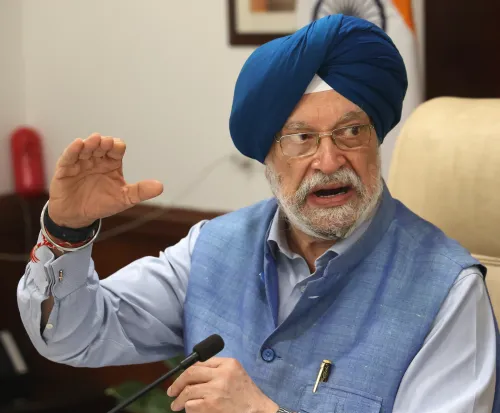
Union Petroleum Minister Hardeep Singh Puri on 26 July 2026 highlighted India's energy transition drive, citing the Biofuel Mission, Green Hydrogen Mission, and Samudra Manthan as key pillars toward energy self-reliance under PM Modi's leadership.
Key Takeaways
Union Petroleum Minister Hardeep Singh Puri posted on 26 July 2026 highlighting India's energy transition progress under PM Narendra Modi .
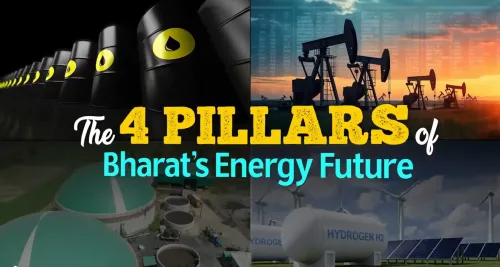
Three missions named as pillars: Biofuel Mission , National Green Hydrogen Mission , and Samudra Manthan .
The National Green Hydrogen Mission was approved in January 2023 with an outlay of Rs 19,744 crore .
India's National Policy on Biofuels targets 20 per cent ethanol blending in petrol by 2030 , benefiting farmers through additional income from feedstock supply.
Puri outlined a five-year vision for expanding domestic energy production and new technology integration to make India a global energy power.
All missions align with India's COP26 pledges of 500 GW non-fossil fuel capacity and net-zero by 2070 .
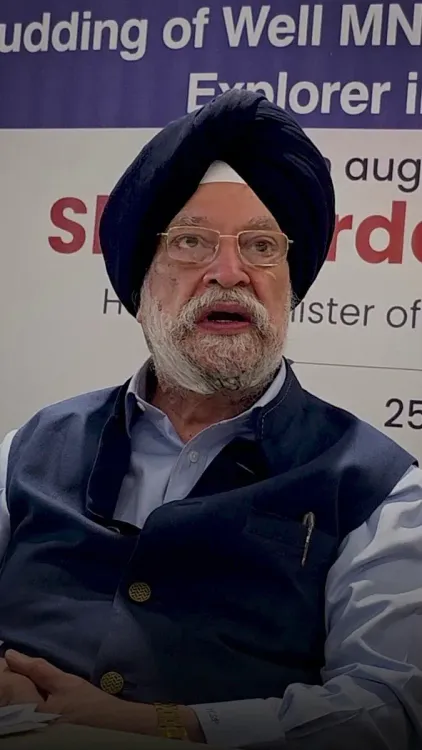
Union Petroleum Minister Hardeep Singh Puri on Sunday, 26 July 2026 highlighted India's accelerating energy transition, crediting Prime Minister Narendra Modi's leadership for driving landmark missions in biofuels, green hydrogen, and offshore energy exploration toward the goal of energy self-reliance.
Context
Posting in Hindi on X, Minister Puri wrote that under PM Modi's visionary leadership, 'भारत आज पूरे आत्मविश्वास के साथ तेजी से आगे बढ़ रहा है' ('India today is moving forward rapidly with full confidence') in the direction of energy transition. He named three transformative campaigns — the Biofuel Mission, the Green Hydrogen Mission, and Samudra Manthan — as the pillars carrying India toward a new era of energy self-sufficiency.
The minister specifically underlined biofuels as 'an important foundation of India's sustainable energy future,' arguing they empower farmers, reduce dependence on imported fuel, and give fresh momentum to environmental conservation.
Policy Backdrop
India's National Policy on Biofuels, revised in 2018, set a target of 20 per cent ethanol blending in petrol by 2030, using agricultural feedstocks and surplus produce to reduce the country's crude oil import bill. The policy directly links the farm sector to the energy economy, giving cultivators an additional revenue stream through the supply of ethanol feedstock.
The National Green Hydrogen Mission, approved in January 2023 with an outlay of Rs 19,744 crore, aims to position India as a global hub for green hydrogen production and export, while cutting dependence on fossil fuel imports. Both missions sit within the broader Atmanirbhar Bharat framework and align with India's pledge at COP26 in 2021 to achieve 500 GW of non-fossil fuel capacity and reach net-zero emissions by 2070.
The Samudra Manthan campaign referenced by Minister Puri relates to offshore energy initiatives; however, specific programme details and quantitative targets under this campaign have not been independently confirmed.
Stakeholders and Impact
Farmers stand at the centre of the biofuel push: surplus foodgrains, sugarcane, and agricultural residue feed into ethanol production, providing an additional income channel for rural households. At the same time, higher domestic energy production directly compresses India's petroleum import bill, which has historically been one of the largest drains on the country's foreign exchange reserves.
For the petroleum sector, the transition signals a gradual reorientation — from import-dependent hydrocarbon sourcing toward domestically produced alternative fuels and green energy carriers. Industry players in refining, distribution, and renewable energy are all expected to recalibrate investment plans in line with these missions.
What's Next
Minister Puri's post outlined a forward-looking vision for the next five years, pointing to expansion of domestic energy production, integration of new technologies, and the resolve to build an Atmanirbhar Bharat in energy as the forces that will strengthen India's standing as a global energy power.
Key milestones to watch include funding releases and rollout targets under the Green Hydrogen Mission, updated ethanol blending mandates, and any announcements in the next Union Budget or parliamentary session that could accelerate these programmes. India's ability to meet its COP26 commitments will increasingly be measured against progress on exactly these domestic supply-side missions.
Point of View
He is threading an economic-welfare argument into what is primarily a climate and energy-security agenda — a political framing that broadens the coalition of beneficiaries. The mention of Samudra Manthan alongside established missions signals an intent to project offshore energy exploration as part of the same self-reliance arc, even as programme details remain sparse. Taken together, the post fits a pattern of ministerial communication designed to build public and investor confidence in India's capacity to execute a multi-track energy transition without sacrificing growth.
NationPress
25 Oct 2026
Frequently Asked Questions
What is India's Biofuel Mission and how does it help farmers?
India's National Policy on Biofuels, revised in 2018, promotes ethanol and biodiesel blending using agricultural feedstocks such as surplus foodgrains and sugarcane. Farmers benefit by supplying these feedstocks for ethanol production, creating an additional income stream beyond conventional crop sales.
What is the National Green Hydrogen Mission India?
The National Green Hydrogen Mission is a central government scheme approved in January 2023 with a budget outlay of Rs 19,744 crore. It aims to scale up domestic green hydrogen production, reduce fossil fuel imports, and position India as a global green hydrogen hub.
What is Samudra Manthan energy campaign India?
Samudra Manthan is an offshore energy initiative referenced by Petroleum Minister Hardeep Singh Puri as part of India's energy transition push. Specific programme details and quantitative targets have not been independently confirmed.
What is India's ethanol blending target?
India's National Policy on Biofuels sets a target of 20 per cent ethanol blending in petrol by 2030. This is intended to cut crude oil imports and reduce the country's foreign exchange outgo on petroleum.
What are India's COP26 energy commitments?
At COP26 in 2021, India pledged to achieve 500 GW of non-fossil fuel power capacity and reach net-zero carbon emissions by 2070. The Biofuel Mission, Green Hydrogen Mission, and related schemes are key domestic instruments for meeting these international commitments.