Biofuel Mission driving India's energy transition, says Hardeep Singh Puri
Synopsis
India's ethanol blending programme has quietly delivered ₹1.90 lakh crore in forex savings and slashed 930 lakh metric tonnes of carbon emissions since 2014 — numbers that reframe biofuel from a niche policy to a macro-economic hedge against India's 88.5% crude import dependency. With renewable capacity now at 288.58 GW, the energy self-reliance story is accelerating on multiple fronts simultaneously.
Key Takeaways
Hardeep Singh Puri on 26 July called the Biofuel Mission a 'crucial foundation' of India's sustainable energy future.
Ethanol blending has saved more than ₹1.90 lakh crore in foreign exchange and generated over ₹1.6 lakh crore in additional farmer earnings since 2014-15 .
The programme has cut carbon emissions by more than 930 lakh metric tonnes and substituted 310 lakh metric tonnes of imported crude oil.
India imports close to 88.5% of the crude oil it consumes, underpinning the urgency of domestic biofuel expansion.
Installed renewable energy capacity has grown nearly fourfold to 288.58 GW as on 30 June 2026 , led by solar at 162.15 GW .
Total non-fossil fuel capacity, including 8.78 GW of nuclear, stands at 297.36 GW .
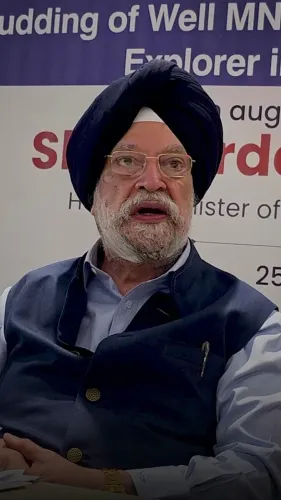
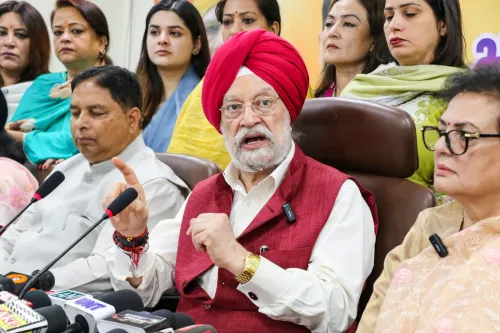
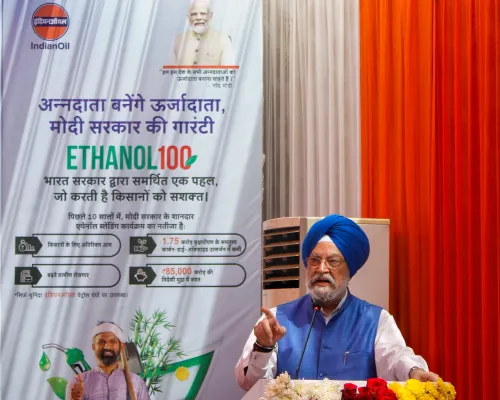
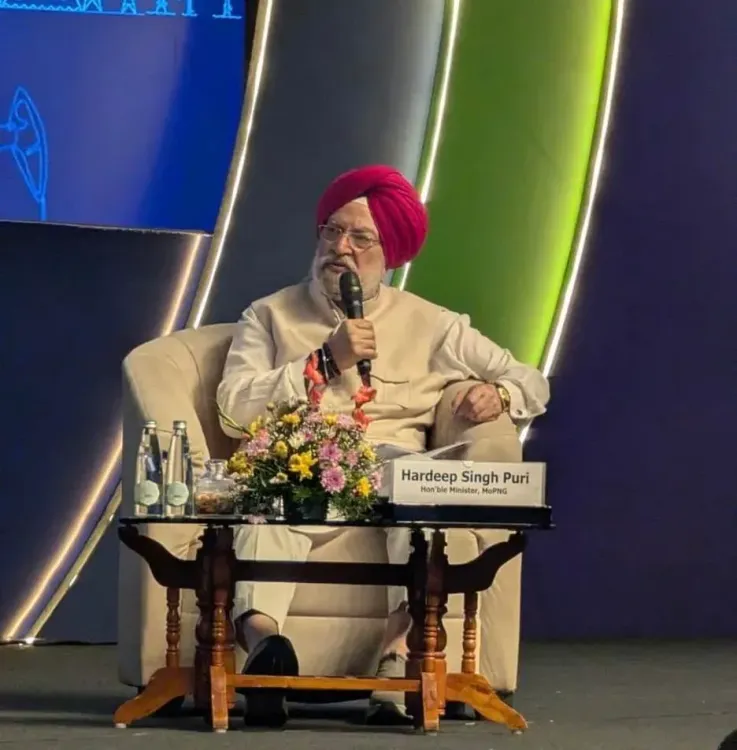
Union Minister for Petroleum and Natural Gas Hardeep Singh Puri on Sunday, 26 July said that flagship programmes including the Biofuel Mission, Green Hydrogen Mission, and Samudra Manthan are collectively steering India toward a new era of energy self-reliance. Speaking from New Delhi, Puri described biofuel as a 'crucial foundation' of the country's sustainable energy future, one that simultaneously empowers farmers, reduces dependence on imported fuels, and accelerates environmental conservation.
Ethanol Blending: The Numbers Behind the Policy
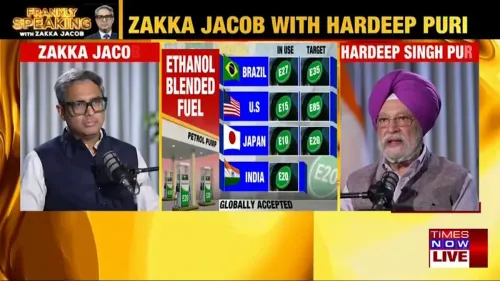
According to official figures, the ethanol blending with petrol programme — running from 2014-15 through May 2026 — has saved more than ₹1.90 lakh crore in foreign exchange by substituting 310 lakh metric tonnes of imported crude oil. Farmers have earned an additional ₹1.6 lakh crore during this period, while carbon emissions have been cut by more than 930 lakh metric tonnes.
The scale of the savings is explained, in part, by India's deep import dependency: the country currently sources close to 88.5% of the crude oil it consumes from abroad. According to an official statement, every barrel purchased overseas exposes the economy to price volatility and supply disruptions entirely outside domestic control. Ethanol derived from Indian sugarcane, maize, and rice offers a home-grown buffer against that exposure.
Renewable Energy Capacity Surges Fourfold Since 2014
India's installed renewable energy capacity has grown nearly fourfold — from 76.38 GW in 2014 to 288.58 GW as on 30 June 2026, according to data tabled in Parliament last week. Solar power leads the segment with an installed capacity of 162.15 GW, followed by wind power at 57.44 GW and hydro power at 57.24 GW. Bio power accounts for the remaining 11.75 GW.
When nuclear capacity is added, total non-fossil fuel electricity capacity stands at 297.36 GW — comprising 288.58 GW of renewables and 8.78 GW of nuclear — as confirmed by Minister of State for New and Renewable Energy Shripad Yesso Naik in a written reply to the Rajya Sabha.
The Five-Year Outlook
'Under the visionary leadership of Prime Minister Narendra Modi, India is today advancing rapidly with full confidence towards energy transition,' Puri said. He added that over the next five years, expansion of domestic energy production, integration of new technologies, and the resolve for Aatmanirbhar Bharat would consolidate India's standing as a global energy power.
What This Means for India's Energy Future
The convergence of ethanol blending milestones, surging renewable capacity, and the Green Hydrogen Mission signals a multi-pronged strategy rather than reliance on any single fuel source. This comes amid sustained global energy price uncertainty, which has reinforced the policy case for domestic alternatives. The next phase of the Biofuel Mission is expected to push blending targets higher and broaden feedstock diversity beyond sugarcane.
Point of View
But it must be read against the baseline: India still imports 88.5% of its crude, meaning the structural vulnerability is large even after a decade of blending. The real policy question is whether ethanol targets can scale fast enough — and whether feedstock supply, particularly from maize and rice, can keep pace without creating food-price pressures. The fourfold jump in renewable capacity is genuine progress, yet bio power's 11.75 GW share within that total reveals how far bioenergy lags solar and wind. Puri's five-year framing is optimistic; the credibility test will be whether blending mandates are enforced uniformly and whether farmer earnings hold as sugarcane procurement policies evolve.
NationPress
26 Oct 2026
Frequently Asked Questions
What has India's ethanol blending programme achieved since 2014?
Since 2014-15 through May 2026, the programme has saved more than ₹1.90 lakh crore in foreign exchange, generated over ₹1.6 lakh crore in additional earnings for farmers, substituted 310 lakh metric tonnes of imported crude oil, and cut carbon emissions by more than 930 lakh metric tonnes, according to official figures.
Why is biofuel so important to India's energy policy?
India imports close to 88.5% of the crude oil it consumes, leaving the economy exposed to global price swings and supply disruptions. Ethanol produced from domestic sugarcane, maize, and rice reduces that dependence using home-grown resources, making biofuel a strategic as well as environmental priority.
What is India's current renewable energy capacity?
As on 30 June 2026, India's installed renewable energy capacity stands at 288.58 GW, up from 76.38 GW in 2014 — nearly a fourfold increase. Solar leads at 162.15 GW, followed by wind at 57.44 GW and hydro at 57.24 GW.
What is India's total non-fossil fuel electricity capacity?
India's total non-fossil fuel electricity capacity is 297.36 GW as on 30 June 2026, comprising 288.58 GW of renewable energy and 8.78 GW of nuclear power, as confirmed by Minister of State Shripad Yesso Naik in a Rajya Sabha written reply.
What other energy missions did Hardeep Singh Puri highlight?
Alongside the Biofuel Mission, Puri highlighted the Green Hydrogen Mission and Samudra Manthan as transformative initiatives steering India toward energy self-reliance. He said that over the next five years, domestic energy expansion and new technology integration would strengthen India's position as a global energy power.