Puri Pitches Flex-Fuel Push, Cites Brazil Model and Ethanol Gains
Synopsis
Union Petroleum Minister Hardeep Singh Puri has pitched flex-fuel vehicles as a scalable route to energy security, saying even a 1% share of petrol vehicle sales could generate demand for 4 crore litres of ethanol, route ₹266 crore to distilleries and save ₹195 crore in foreign exchange, with much of it flowing to farmers.
Key Takeaways
Puri says 1% flex-fuel share could create demand for 4 crore litres of ethanol annually.
Projected ₹266 crore in payments to distilleries and ₹195 crore in forex savings.
Nearly ₹160 crore would flow to farmers, termed Urjadatas .
Minister cites Brazil's flex-fuel success, witnessed during his 2006-2008 posting in Brasilia.
India has advanced its 20% ethanol blending target to 2025-26 .
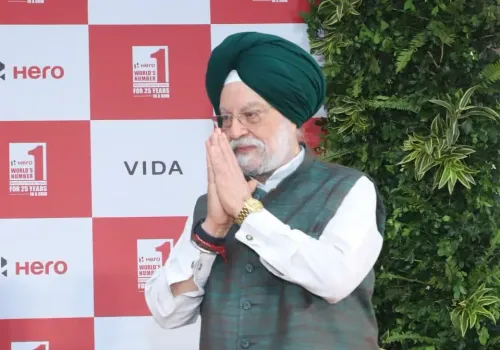
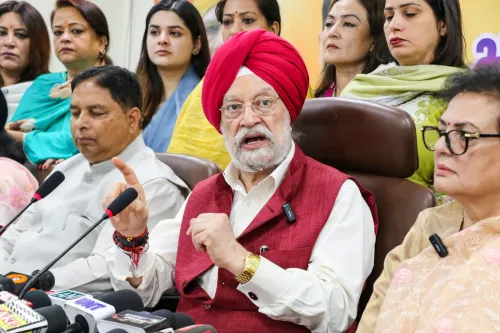
Union Petroleum Minister Hardeep Singh Puri has made a fresh public case for flex-fuel vehicles in India, arguing that even a sliver of market penetration could unlock substantial demand for ethanol, support distilleries and trim the country's foreign exchange outgo on crude. In a post on X on 3 June 2026, he framed flex-fuel mobility as a 'proven, scalable and reliable' pathway, drawing on his diplomatic stint in Brasilia between 2006 and 2008.
Context
In the post, the minister argued that 'even if flex-fuel vehicles account for just 1% of annual petrol vehicle sales in India they will generate a demand for 4 crore litres of ethanol'. He added that this would translate into payments of about '₹266 crore' to distilleries and savings of '₹195 crore' in foreign exchange, of which nearly '₹160 crore' would flow directly to Urjadatas (energy-providers, the government's term for farmers supplying biofuel feedstock).
Puri linked the projection to his first-hand exposure to Brazil's ethanol ecosystem, writing that 'Global experience, including Brazil's successful adoption of higher ethanol blends which I had the opportunity of witnessing during my posting to Brasilia between 2006-2008, demonstrates that flex-fuel mobility is proven, scalable and reliable.' He served as India's Ambassador to Brazil in that period.
Policy backdrop
India's Ethanol Blended Petrol (EBP) programme dates back to 2003, when pilot projects were launched in sugar-producing states, and was scaled up nationally after 2014. The National Policy on Biofuels, 2018 raised the ambition further by setting a 20% ethanol blending target by 2030 and creating incentives for second-generation ethanol and flex-fuel vehicles.
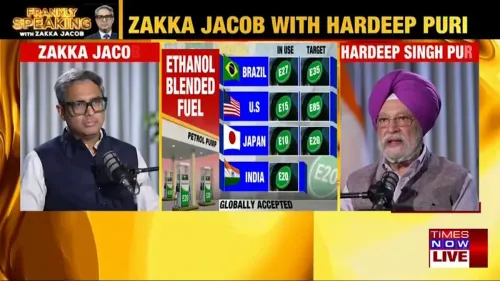
In 2021-22, the government advanced the 20% blending target from 2030 to 2025-26 and notified E20 fuel standards, requiring carmakers and oil marketing companies to align production and supply chains accordingly. Flex-fuel vehicles, which can run on petrol blended with up to 85% ethanol, are positioned as the next step beyond E20.
Brazil, which Puri cited, remains the global benchmark. Its Proálcool programme, launched in the 1970s, drove decades of investment in sugarcane-based ethanol and flex-fuel engine technology, and today most light vehicles sold there are flex-fuel capable.
Stakeholders and impact
The minister's framing places sugarcane farmers, grain growers and distilleries at the centre of the flex-fuel story. Assured ethanol offtake has emerged as a parallel rural income channel, supplementing earnings from sugar and foodgrain sales.
For oil marketing companies, higher ethanol uptake reduces the volume of petrol imports needed and softens exposure to crude price swings. For automobile manufacturers, however, a flex-fuel transition implies engine recalibration, materials changes and certification costs, particularly as the industry simultaneously scales up electric vehicle production.
The projected savings cited by Puri, if realised at scale, would feed into India's broader effort to compress its petroleum import bill, which remains one of the largest components of the country's trade deficit.
What's next
Attention now turns to whether the government will issue fresh manufacturing mandates for flex-fuel vehicles and revise the 2025-26 ethanol blending roadmap. Industry watchers expect further signalling during upcoming parliamentary sessions and energy-sector convenings, where pricing of ethanol, feedstock diversification and vehicle certification norms are likely flashpoints.
The minister's post suggests the government intends to keep flex-fuel mobility on the policy front burner even as the conversation around clean mobility increasingly spans electric, hydrogen and biofuel options. The political messaging — linking distillery payments and farmer incomes directly to fuel choices — also indicates how energy security and rural livelihoods are being woven into a single narrative.
Point of View
Raising farm incomes and meeting climate commitments. By invoking Brazil and his own diplomatic tenure there, Puri lends a personal credibility layer to what is otherwise a technical policy push. The numbers cited are striking precisely because they are pegged to just 1% market share, hinting that the government wants to lock in the political case for flex-fuel before the harder questions of vehicle pricing, certification and competition with electric mobility arrive. Expect ethanol economics to become a sharper talking point as the 2025-26 blending deadline nears.
NationPress
18 Oct 2026
Frequently Asked Questions
What are flex-fuel vehicles?
Flex-fuel vehicles are cars and two-wheelers with engines capable of running on petrol blended with high proportions of ethanol, typically up to 85%. They use sensors and recalibrated fuel systems to adjust combustion based on the blend in the tank.
What did Hardeep Singh Puri say about ethanol demand?
He said even a 1% share of flex-fuel vehicles in annual petrol vehicle sales would create demand for 4 crore litres of ethanol, leading to about ₹266 crore in payments to distilleries and ₹195 crore in foreign exchange savings.
Why is Brazil cited as a model for flex-fuel adoption?
Brazil has run a flex-fuel and ethanol blending programme since the 1970s under the Proálcool initiative, and today most new light vehicles sold there are flex-fuel capable. Puri witnessed the system first-hand during his posting as India's Ambassador to Brazil between 2006 and 2008.
What is India's current ethanol blending target?
India is aiming for 20% ethanol blending in petrol by 2025-26, after the original 2030 deadline was advanced. The roadmap is anchored in the National Policy on Biofuels, 2018 and the Ethanol Blended Petrol programme.
How do farmers benefit from ethanol blending?
Farmers benefit through assured offtake of sugarcane molasses, damaged grain and other feedstocks used to produce ethanol. The minister referred to them as Urjadatas , or energy-providers, estimating that nearly ₹160 crore of the projected savings would flow directly to them.