Trump, Melania Watch FIFA World Cup 2026 Final on US Soil
Synopsis
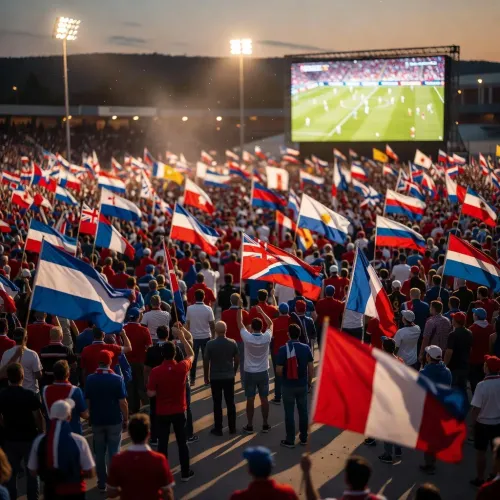
The White House confirmed that President Donald Trump and First Lady Melania Trump attended the conclusion of the 2026 FIFA World Cup on American soil, capping a landmark tri-nation tournament co-hosted by the United States, Canada, and Mexico.
Key Takeaways
President Donald Trump and First Lady Melania Trump were present as the 2026 FIFA World Cup concluded on American soil .
The 2026 FIFA World Cup is co-hosted by the United States , Canada , and Mexico — a bid approved by FIFA in June 2018 .
This is the first World Cup to feature an expanded 48-team format , up from the previous 32 teams.
The United States last hosted the FIFA World Cup in 1994 , one of the highest-attended editions in history.
The White House's post signals the administration's intent to associate itself with the tournament's success as a soft-power and economic milestone.
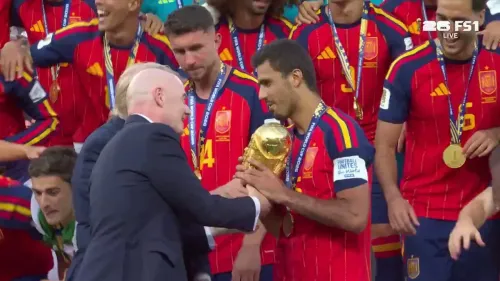
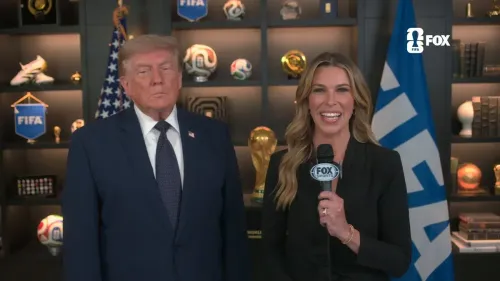
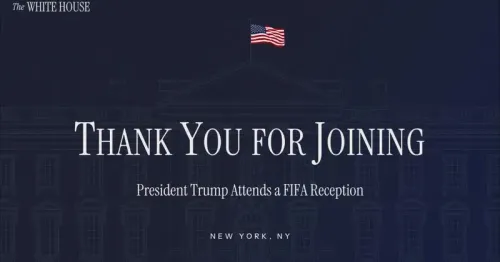
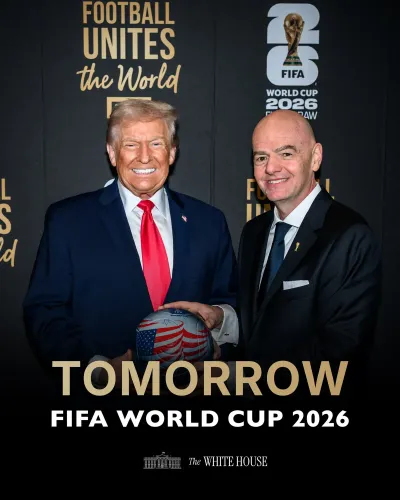
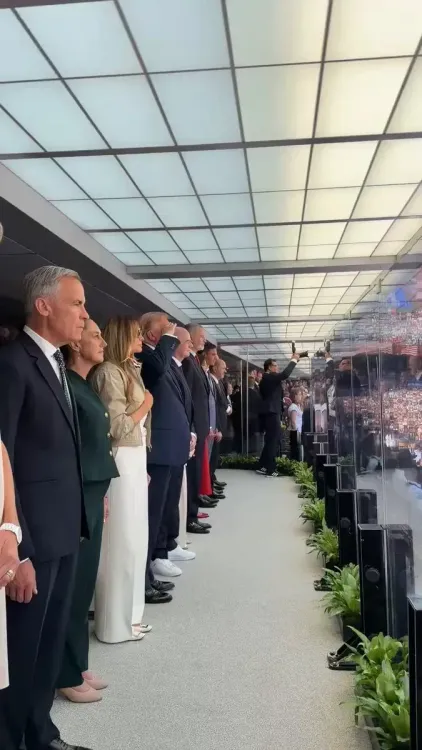
The White House announced on Sunday, July 19, 2026, that President Donald Trump and First Lady Melania Trump attended the conclusion of the 2026 FIFA World Cup, marking the end of a landmark tournament hosted on American soil.
Context
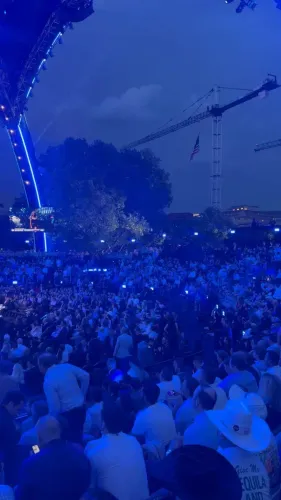
The White House posted that the President and First Lady watched on as 'this incredible FIFA World Cup tournament concludes on American soil,' signalling the administration's direct engagement with the closing ceremony or final match of the 2026 edition of the world's largest football tournament.
The 2026 FIFA World Cup is a joint hosting effort by the United States, Canada, and Mexico — a tri-nation bid that FIFA approved in June 2018. It is the first edition of the tournament to feature 48 national teams, expanded from the previous 32-team format.
Policy Backdrop
The United States previously hosted the 1994 FIFA World Cup, which remains one of the highest-attended editions in tournament history. Hosting major global sporting events has long been a tool of American soft power, combining international visibility with domestic infrastructure investment in stadiums, transport, and hospitality sectors.
Trump, during his first term, was a vocal supporter of the joint United 2026 bid. His administration's active backing was credited as a factor in the successful campaign to win hosting rights. The 2026 edition has been spread across multiple American cities, with venues also in Canada and Mexico.
Stakeholders and Impact
The tournament's conclusion on US soil carries significant implications for the US Soccer Federation, domestic football infrastructure, and the broader American sports economy. Economists and sports bodies have projected substantial tourism revenue and long-term legacy benefits from stadium upgrades undertaken ahead of the event.
For Indian football fans and the global audience, the 2026 World Cup has been notable for its expanded format, bringing in more nations and generating wider international viewership. The presidential attendance at the finale underscores the event's status as a top-tier diplomatic and cultural moment for the United States.
What's Next
Attention will now turn to legacy assessments — including final tourism revenue figures, stadium utilisation reports, and any announcements from US Soccer or FIFA regarding future American bids for international tournaments. The United States is also a candidate city host for the 2028 Summer Olympics in Los Angeles, making the infrastructure and organisational lessons from the World Cup directly relevant to upcoming planning cycles.
The White House's prominent marking of the tournament's end signals that the administration intends to claim a share of the political and diplomatic credit for a World Cup widely described as a success on American soil.
Point of View
Allowing the administration to claim ownership of an event that draws a global audience of billions. The tri-nation hosting model — unusual for FIFA — was partly enabled by active White House lobbying during Trump's first term, giving the current administration a narrative thread connecting past advocacy to present spectacle. For Washington, the optics of a successful, incident-free World Cup on home soil reinforce arguments for American organisational capacity ahead of the 2028 Los Angeles Olympics. The moment also illustrates how major sporting events have become inseparable from executive-branch branding in contemporary American politics.
NationPress
20 Jul 2026
Frequently Asked Questions
Where was the 2026 FIFA World Cup held?
The 2026 FIFA World Cup was co-hosted by the United States , Canada , and Mexico , with matches played across multiple cities in all three countries. The tournament concluded on American soil .
Did Trump attend the FIFA World Cup 2026 final?
The White House confirmed that President Donald Trump and First Lady Melania Trump watched as the 2026 FIFA World Cup tournament concluded, indicating their presence at the event's conclusion.
When was the 2026 FIFA World Cup hosting rights awarded?
FIFA awarded the 2026 World Cup hosting rights to the joint United States , Canada , and Mexico bid in June 2018 .
How many teams played in the 2026 FIFA World Cup?
The 2026 FIFA World Cup featured an expanded format of 48 national teams , an increase from the 32-team format used in previous editions.
Has the US hosted the FIFA World Cup before 2026?
Yes. The United States previously hosted the FIFA World Cup in 1994 , which remains one of the highest-attended editions in the tournament's history.