CM Chandrababu Writes to Piyush Goyal to Protect AP Aquaculture
Synopsis
Andhra Pradesh CM Chandrababu Naidu has written to Union Commerce Minister Piyush Goyal seeking regulation of fish meal exports via DGFT and permission to import GM soybean meal, as a surge in Ecuador's shrimp exports depresses global prices and squeezes the state's aqua farmers.
Key Takeaways
CM Chandrababu Naidu wrote to Union Minister Piyush Goyal on 20 July 2026 seeking central intervention to protect Andhra Pradesh 's aquaculture sector.
A surge in shrimp exports from Ecuador to the US , China , and Europe has caused a significant fall in international shrimp prices, hurting AP aqua farmers.
The CM urged the Centre to direct the DGFT to regulate fish meal exports, which currently attract a 5 per cent export incentive, diverting domestic stocks and raising feed costs.
The letter calls for fish meal exports to be permitted only after domestic shrimp feed manufacturers' requirements are fully met.
The CM also requested permission to import GM soybean meal as an alternative protein input to reduce shrimp feed production costs.
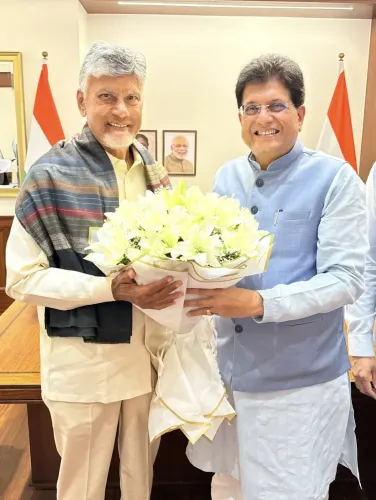
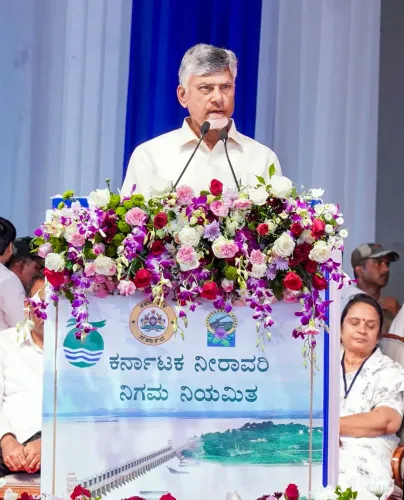
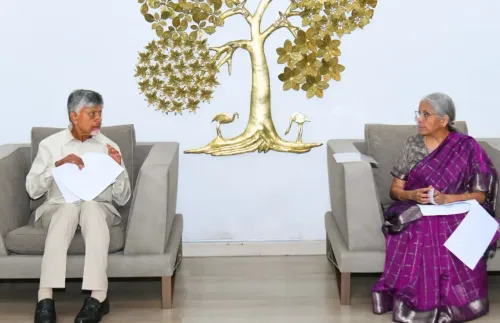
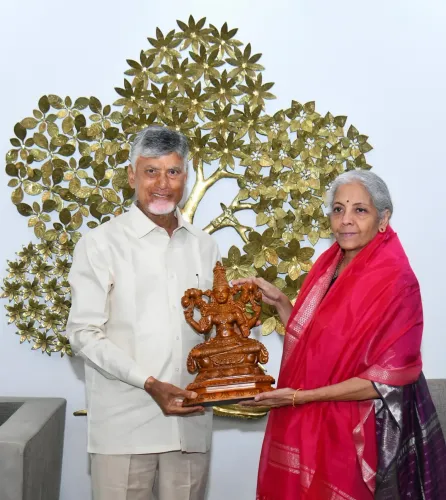
Andhra Pradesh Chief Minister Nara Chandrababu Naidu wrote to Union Minister of Commerce and Industry Piyush Goyal on Monday, 20 July 2026, urging the Centre to take strong measures to protect the state's aquaculture sector from a deepening price crisis in international shrimp markets.
Context
In his letter, CM Chandrababu Naidu highlighted that a surge in shrimp exports from Ecuador to major markets such as the United States, China, and Europe has caused a significant fall in global shrimp prices. This external supply pressure has squeezed returns for Andhra Pradesh's aqua farmers, who depend heavily on export-linked price signals for their livelihoods.
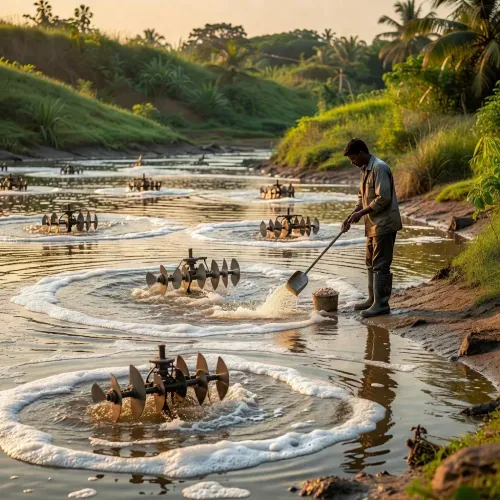
Andhra Pradesh is India's leading shrimp-producing state, contributing a dominant share of the country's seafood export earnings. Any sustained depression in international prices directly threatens farm-gate realisations for lakhs of aqua farmers across the state's coastal districts.
Policy Backdrop
The Chief Minister specifically flagged the current policy that permits export of fish meal — a critical input in shrimp feed — with a 5 per cent export incentive. He argued that this incentive is drawing domestic fish meal stocks into export channels, forcing domestic shrimp feed manufacturers to procure the ingredient at higher prices, which in turn raises the cost of production for aqua farmers already battered by falling shrimp prices.
The letter calls on Piyush Goyal to direct the Directorate General of Foreign Trade (DGFT) to regulate fish meal exports and ensure that domestic shrimp feed manufacturers' requirements are fully met before any surplus is permitted for export. The DGFT has historically used such notifications to calibrate export of key agri-inputs against domestic industry needs.
CM Naidu also requested that the Centre permit imports of GM soybean meal as an alternative protein source for shrimp feed, a measure that could ease raw-material costs for domestic feed makers and provide relief to aqua farmers. Discussions on limited GM soybean meal imports have recurred in policy circles whenever domestic protein-feed prices spike.
Stakeholders and Impact
The aquaculture sector in Andhra Pradesh supports a vast ecosystem of small and marginal farmers, feed manufacturers, hatcheries, and export processing units. A prolonged price slump, compounded by elevated input costs, risks pushing many farm households into financial distress and could reduce the state's seafood export competitiveness.
Domestic shrimp feed manufacturers stand to benefit directly from a rationalisation of fish meal export incentives, as it would stabilise their raw-material supply and pricing. The broader seafood export industry could also benefit if input costs are contained and farm-level output is sustained.
What's Next
The immediate next step is a response from Union Minister Piyush Goyal's office and a possible directive to the DGFT to review the fish meal export incentive structure. Any fresh DGFT notification revising export eligibility conditions for fish meal, or a policy clearance for GM soybean meal imports, would be closely watched by the industry.
The matter may also come up in the next meeting of the Board of Trade, where export-import calibration for agri-inputs is periodically reviewed. For Andhra Pradesh's aqua farmers, swift central action on both fronts — fish meal export curbs and GM soybean meal import permission — could provide meaningful relief in the current crop cycle.
Point of View
CM Naidu is pushing for a sequencing rule — domestic need first, exports second — that has precedent in Indian agri-commodity policy. The simultaneous ask for GM soybean meal imports signals that the state sees input-cost relief as equally urgent as export curbs, and tests the Centre's appetite for a politically sensitive biotech import decision. How quickly the Commerce Ministry responds will signal the Centre's prioritisation of aquaculture-state interests ahead of the next kharif harvest cycle.
NationPress
20 Oct 2026
Frequently Asked Questions
Why did CM Chandrababu Naidu write to Piyush Goyal about aquaculture?
CM Naidu wrote to Union Minister Piyush Goyal on 20 July 2026 because a surge in shrimp exports from Ecuador to the US, China and Europe has sharply depressed international shrimp prices, hurting Andhra Pradesh's aqua farmers. He sought central intervention to regulate fish meal exports and permit GM soybean meal imports to reduce input costs.
What is the role of DGFT in fish meal exports from India?
The Directorate General of Foreign Trade (DGFT) is the central agency that regulates India's export-import policies. CM Naidu has asked the Centre to use DGFT to restrict fish meal exports and ensure domestic shrimp feed manufacturers are supplied first before any surplus is exported.
How have Ecuador's shrimp exports affected Indian aqua farmers?
Ecuador's increased shrimp shipments to major markets like the US, China and Europe have created a global supply glut, causing international shrimp prices to fall significantly. This directly reduces the income of Indian, particularly Andhra Pradesh's, aqua farmers who rely on export markets.
Why is fish meal export a problem for Indian shrimp feed manufacturers?
Fish meal currently attracts a 5 per cent export incentive, making it more profitable for suppliers to export rather than sell domestically. This reduces domestic availability and forces shrimp feed manufacturers to buy fish meal at higher prices, raising the overall cost of shrimp production.
What is GM soybean meal and why is AP requesting its import?
GM soybean meal is a genetically modified protein ingredient used in aquafeed as an alternative to fish meal. CM Naidu has requested the Centre to permit its import so that domestic shrimp feed manufacturers have a cheaper protein source, which would lower feed costs and ease the burden on aqua farmers.