Chandrababu Naidu writes to Centre on aquaculture, tobacco farmer relief
Synopsis
Andhra Pradesh CM Chandrababu Naidu has fired off letters to four Union ministers in a single day — covering GM soybean imports, fish meal export curbs, RoDTEP for tobacco, a ₹100 crore NFDB fund, and GST cuts — laying out one of the most sweeping sectoral rescue packages the state has sought from the Centre in recent memory.
Key Takeaways
Andhra Pradesh CM N.
Chandrababu Naidu wrote to multiple Union ministers on 20 July seeking relief for aquaculture and tobacco farmers.
He urged permission for shrimp feed manufacturers to import GM soybean meal to address domestic shortages and stabilise feed costs.
Naidu requested an NFDB regional office in Amaravati ; the state has already allocated 7.89 acres at Nekkallu village for the facility.
He sought RoDTEP scheme extension to unmanufactured tobacco ( HS Code 2401 ), excluded when the scheme covered tea, coffee, and spices in August 2021 .
Financial asks include a ₹100 crore NFDB corpus fund , a ₹5 lakh Kisan Credit Card top-up for aquaculture farmers, and GST cuts on aerators ( 18% to 5% ) and tobacco ( 40% to 28% ).
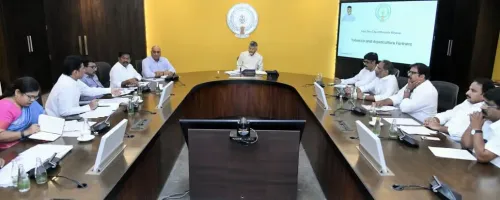
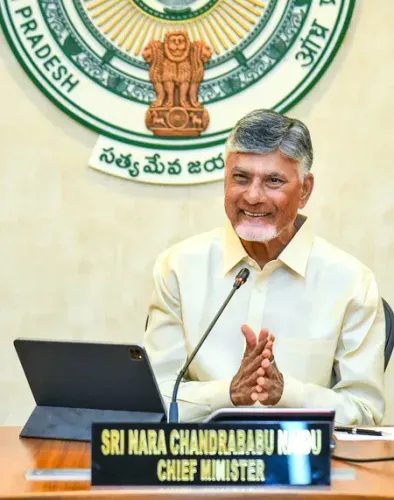
Andhra Pradesh Chief Minister N. Chandrababu Naidu on Monday, 20 July wrote separate letters to multiple Union ministers, urging the Centre to protect the interests of aquaculture and tobacco farmers in the state. The appeals span import policy, export incentives, GST relief, and institutional support — signalling Amaravati's growing concern over the financial stress gripping two of its most critical agricultural sectors.
Aquaculture Sector: Feed Costs and Global Competition
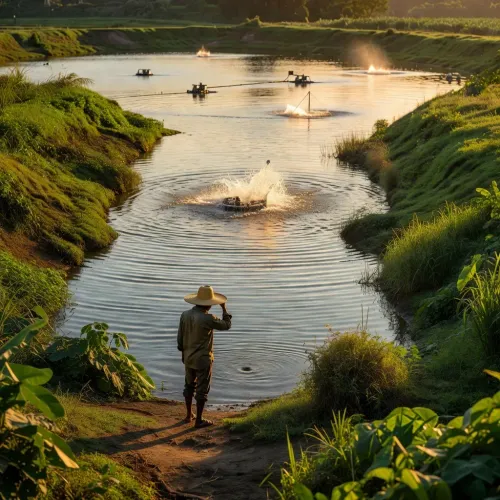
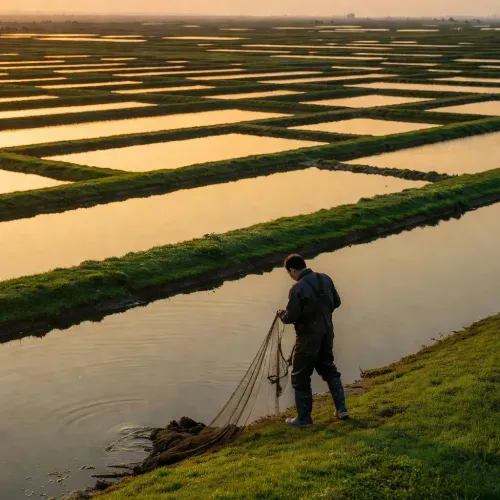
In a letter to Union Minister of Fisheries, Animal Husbandry and Dairy Development Rajiv Ranjan Singh, Naidu urged the Centre to permit shrimp feed manufacturers to import genetically modified (GM) soybean meal. He explained that a sharp rise in soybean meal prices — the primary raw material in shrimp feed — has significantly inflated production costs, placing severe financial strain on shrimp farmers across the state.
The Chief Minister noted that the Centre had granted similar import permissions on a limited scale in 2021 and called for a revival of that provision to address the current domestic shortage and stabilise prices. He also flagged intensifying global competition, pointing out that rising shrimp production and exports from Ecuador have eroded India's market share in key destinations including the United States, China, and Europe.
NFDB Regional Office and Blue Economy Push
In a separate letter to the same ministry, Naidu requested the establishment of a regional office of the National Fisheries Development Board (NFDB) in Amaravati. He recalled that Union Minister Singh had assured this during the Seafood Exports Workshop held in Visakhapatnam on 5 June this year.
The state government has already allocated 7.89 acres of government land at Nekkallu village for the proposed facility, which would house a regional office, a training centre, a fisheries park, and a public aquarium. Naidu described the complex as a potential hub for the development of the Blue Economy.
Commerce Ministry: Fish Meal Regulation and Export Incentives
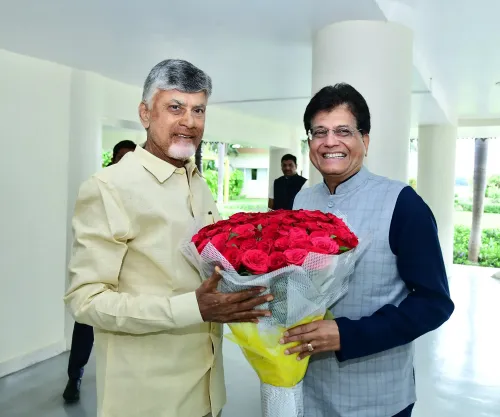
Writing to Union Minister for Commerce and Industry Piyush Goyal, the Chief Minister urged immediate measures to protect the state's aquaculture sector. He pointed out that a 5 per cent export incentive on fish meal — a key shrimp feed ingredient — is pushing domestic feed manufacturers to procure the commodity at elevated prices.
Naidu requested the Directorate General of Foreign Trade (DGFT) to regulate fish meal exports and ensure domestic requirements are met before permitting outbound shipments. He reiterated the call for GM soybean meal import permissions in this letter as well.
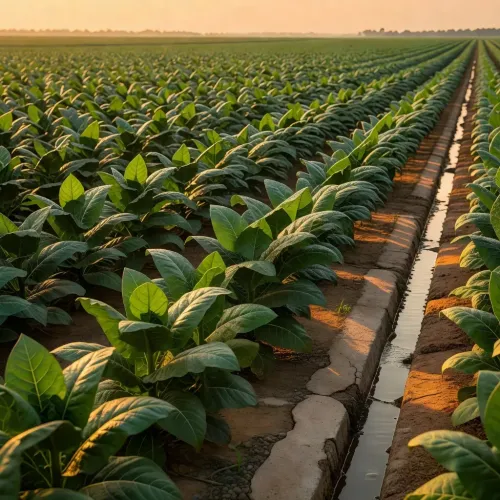
On tobacco, the Chief Minister sought export incentives for FCV tobacco from Andhra Pradesh, noting that competing nations such as Zimbabwe and Tanzania extend subsidies and duty concessions to their exporters — advantages that Indian exporters currently lack. He specifically urged the Centre to extend RoDTEP scheme benefits to unmanufactured tobacco (HS Code 2401), which was excluded when agricultural commodities such as tea, coffee, and spices were brought under the scheme in August 2021.
Finance Ministry: GST Cuts, Credit and a Corpus Fund
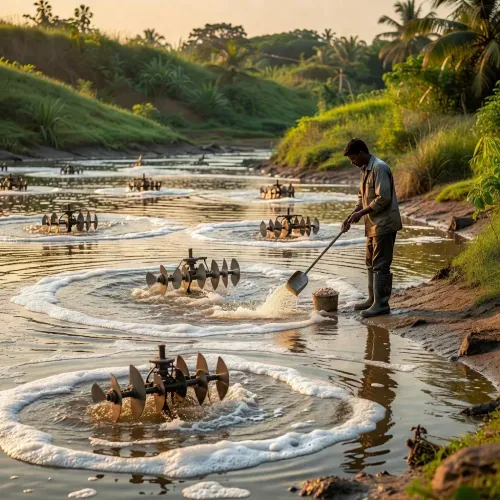
In a letter to Union Finance Minister Nirmala Sitharaman, Naidu sought a reduction in GST on aquaculture aerators from 18 per cent to 5 per cent. He also flagged legal uncertainty over tariffs arising from the India–US trade agreement, where import duties on aquaculture products have been reduced to 10 per cent, and sought the Finance Ministry's intervention to resolve the ambiguity.
The Chief Minister further requested a one-time top-up of ₹5 lakh under the Kisan Credit Card scheme for aquaculture farmers, and the creation of a ₹100 crore corpus fund through the NFDB for domestic marketing. He also called for a reduction in GST on unmanufactured tobacco (HSN Code 2401) from 40 per cent to 28 per cent, arguing the cut would provide significant relief to lakhs of tobacco farmers, dealers, and exporters in Andhra Pradesh.
What Comes Next
The letters collectively represent one of the most comprehensive sets of sectoral demands Andhra Pradesh has placed before the Centre in recent months. With shrimp exports under pressure from Ecuador and tobacco farmers lacking parity with global competitors, the response from the Union ministries will be closely watched by farming communities and industry bodies across the state.
Point of View
Not a temporary blip, and Indian shrimp farmers lack the subsidy cushion their South American rivals enjoy. The tobacco demand is equally pointed — excluding HS Code 2401 from RoDTEP while covering tea and coffee was always an anomaly, and Andhra Pradesh, which accounts for the bulk of India's FCV tobacco output, has been absorbing that inequity for four years. Whether the Centre responds substantively or offers procedural assurances will be a test of how much leverage Amaravati actually holds in the current coalition arithmetic.
NationPress
20 Oct 2026
Frequently Asked Questions
Why is Andhra Pradesh seeking GM soybean meal import permission?
A sharp rise in soybean meal prices — the primary raw material in shrimp feed — has significantly raised production costs for shrimp farmers in Andhra Pradesh. CM Naidu has urged the Centre to permit GM soybean meal imports to ease the domestic shortage and bring prices down, similar to limited permissions granted in 2021.
What is the NFDB regional office requested for Amaravati?
The National Fisheries Development Board (NFDB) regional office is a facility sought by the Andhra Pradesh government to strengthen institutional support for the state's aquaculture sector. The state has already allocated 7.89 acres at Nekkallu village for the office, a training centre, a fisheries park, and a public aquarium.
What is the RoDTEP scheme and why does Andhra Pradesh want it extended to tobacco?
The Remission of Duties and Taxes on Exported Products (RoDTEP) scheme refunds taxes embedded in export supply chains. Agricultural commodities like tea, coffee, and spices were included in August 2021, but unmanufactured tobacco (HS Code 2401) was left out. Naidu argues this puts Indian FCV tobacco exporters at a disadvantage compared to rivals in Zimbabwe and Tanzania who receive subsidies and duty concessions.
What financial relief has Naidu sought from the Finance Ministry for aquaculture farmers?
Naidu has requested a GST reduction on aquaculture aerators from 18 per cent to 5 per cent, a one-time ₹5 lakh top-up under the Kisan Credit Card scheme for aquaculture farmers, and a ₹100 crore corpus fund through the NFDB for domestic marketing. He also sought clarity on tariff uncertainty under the India–US trade agreement.
How has Ecuador's shrimp production affected Andhra Pradesh farmers?
Rising shrimp exports from Ecuador to the United States, China, and Europe have led to a sharp decline in global shrimp prices, making it increasingly difficult for Indian exporters to compete in these key markets. This external pressure compounds the domestic cost crisis caused by elevated shrimp feed prices.