Andhra Pradesh aqua feed price cut by ₹4/kg after Naidu-brokered deal
Synopsis
Andhra Pradesh CM Chandrababu Naidu personally convened feed manufacturers and aqua farmers at Amaravati to force a ₹4/kg price rollback — a rare state-level price intervention in the aquaculture supply chain. With raw material costs still elevated and soybean imports blocked, the 20-day committee's report will be the real test of whether this is a lasting fix or a temporary patch.
Key Takeaways
Andhra Pradesh CM N.
Chandrababu Naidu brokered a deal on 18 June to cut aqua feed prices by ₹4 per kilogram .
The MRP of aqua feed will fall from ₹112 to ₹108 per kilogram following the agreement.
A tripartite committee of farmers, manufacturers, and officials must submit a long-term pricing report within 20 days .
The state government has provided ₹1,543 crore in electricity subsidies to the aqua sector over the last two years .
Feed manufacturers cited restricted US soybean imports as a key driver of cost increases, forcing domestic procurement at nearly double the price .
The committee will also examine processing issues and pollution control measures for the sector.
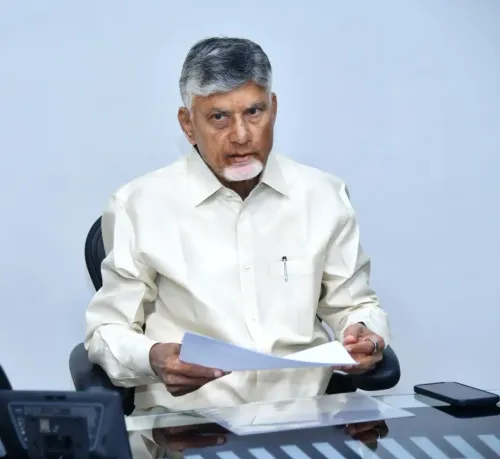
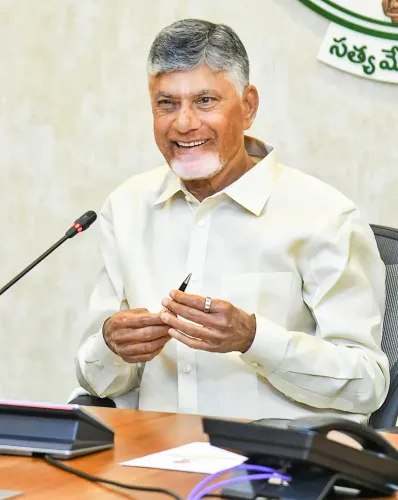
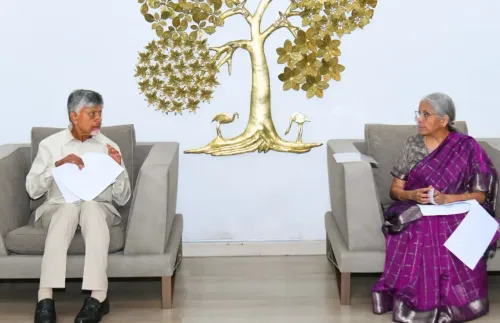
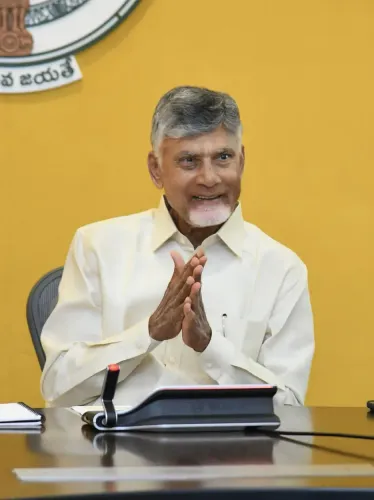
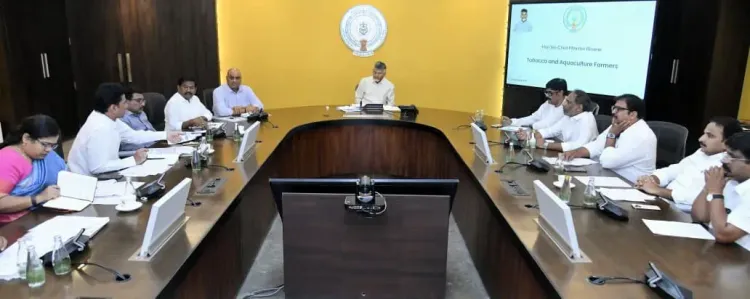
Andhra Pradesh Chief Minister N. Chandrababu Naidu on Thursday, 18 June brokered a resolution to the aqua feed price hike standoff, convening aqua farmers and feed manufacturers at the State Secretariat in Amaravati. Following the meeting, manufacturers agreed to reduce feed prices by ₹4 per kilogram, bringing the Maximum Retail Price (MRP) down from ₹112 to ₹108 per kilogram.
Key Developments from the Meeting
Both aqua farmers and feed manufacturers accepted the Chief Minister's proposal for the price reduction, according to an official release. Naidu also ordered the formation of a tripartite committee comprising aqua farmers, feed manufacturers, and government officials to devise a long-term mechanism for feed price stabilisation. The committee has been directed to submit its report within 20 days, after which a final pricing decision will be taken.
Beyond pricing, the committee will also examine processing-related issues and pollution control measures, with recommendations to be submitted to the state government.
What Farmers Told the Chief Minister
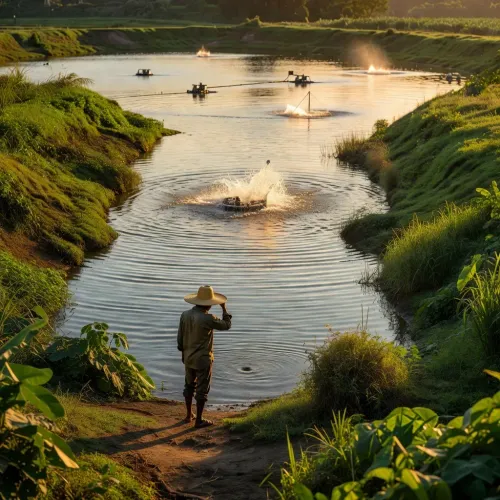
Aqua farmers briefed Naidu on the sector's mounting challenges, noting that while input costs had risen sharply, the prices of aqua produce had not kept pace. Farmers specifically flagged difficulties in processing, sought greater awareness of Fisheries Department subsidies, and requested exemptions from certain empanelment requirements under subsidy schemes. They also urged broader insurance coverage for shrimp ponds and called on the government to promote nursery pond establishment and ensure adequate water supply for fish and shrimp farms.
Responding to the water supply concern, the Chief Minister assured farmers there would be no shortage of water for aquaculture operations. Farmers also acknowledged Naidu's role in expanding aquaculture from the Godavari districts to the entire coastal belt stretching from Srikakulam to Nellore, and thanked the government for providing power to the sector at a subsidised rate of ₹1.50 per unit.
Why Feed Prices Rose: Manufacturers Explain
Representatives of feed manufacturing companies attributed the price hike to shortages of key raw materials, particularly soybean and fishmeal, compounded by rising domestic prices. They informed the Chief Minister that imports of low-cost soybean from the United States are currently not permitted, forcing manufacturers to source soybean from the domestic market at nearly double the import price. This structural cost pressure, they said, made price increases unavoidable.
Government's Position and Subsidy Commitment
Chief Minister Naidu framed the aquaculture sector as a livelihood lifeline supporting lakhs of families and a core responsibility of the coalition government. He stated that the government has provided ₹1,543 crore in electricity subsidies to the aqua sector over the last two years. He noted that the government stepped in after feed companies unilaterally raised prices, underscoring the administration's intent to protect farmer interests.
With the committee report due in 20 days, the outcome of this intervention will determine whether a durable pricing framework can be established for one of Andhra Pradesh's most economically significant sectors.
Point of View
But it sidesteps the structural problem: feed manufacturers cannot import low-cost US soybean, leaving them captive to a domestic market priced at nearly double. A state-level committee cannot fix a central government import policy. Unless New Delhi revisits soybean import restrictions, the cost pressure will resurface the moment the political spotlight moves on. The real measure of this intervention is the 20-day committee report — and whether it recommends anything the Centre is willing to act on.
NationPress
25 Sept 2026
Frequently Asked Questions
What was decided at the Andhra Pradesh aqua feed meeting on 18 June?
Chief Minister N. Chandrababu Naidu convened aqua farmers and feed manufacturers at the State Secretariat in Amaravati, where both sides agreed to reduce aqua feed MRP by ₹4 per kilogram — from ₹112 to ₹108. A tripartite committee was also constituted to devise a long-term price stabilisation mechanism within 20 days.
Why had aqua feed prices increased in Andhra Pradesh?
Feed manufacturers cited shortages of key raw materials — soybean and fishmeal — combined with restrictions on importing low-cost US soybean, forcing domestic procurement at nearly double the price. Rising production costs made price increases unavoidable, according to manufacturer representatives at the meeting.
What subsidies does the Andhra Pradesh government provide to the aquaculture sector?
The state government has provided ₹1,543 crore in electricity subsidies to the aqua sector over the last two years. Aqua farmers also receive power at a subsidised rate of ₹1.50 per unit, according to Chief Minister Naidu.
What will the new committee on aqua feed pricing examine?
The tripartite committee — comprising aqua farmers, feed manufacturers, and officials — will develop a long-term feed price stabilisation mechanism. It will also examine processing-related issues and pollution control measures, and must submit its report within 20 days.
Which regions of Andhra Pradesh are covered by the aquaculture sector?
Aquaculture in Andhra Pradesh spans the entire coastal belt from Srikakulam in the north to Nellore in the south, having expanded from the Godavari districts under Chief Minister Naidu's tenure, according to farmer representatives at the meeting.