CM Fadnavis Pays Tribute to Bharat Ratna Maharshi Karve
Synopsis
Maharashtra CM Devendra Fadnavis on 9 November 2026 honoured Bharat Ratna Maharshi Dhondo Keshav Karve on his Smruti Din, remembering the reformer who founded India's first women's university in Pune in 1916 and received the Bharat Ratna in 1958.
Key Takeaways
CM Devendra Fadnavis paid tribute to Maharshi Dhondo Keshav Karve on his Smruti Din on 9 November 2026 .
Karve, born in 1858 , was a pioneering social reformer who dedicated his life to women's education and rights in India.
He founded SNDT Women's University in Pune in 1916 — the first university for women in India.
Karve was awarded the Bharat Ratna in 1958 , at the age of 100 , in recognition of his lifelong contributions.
Maharashtra leaders regularly invoke 19th-century reformers like Karve to reinforce the state's progressive legacy on education and gender equity.
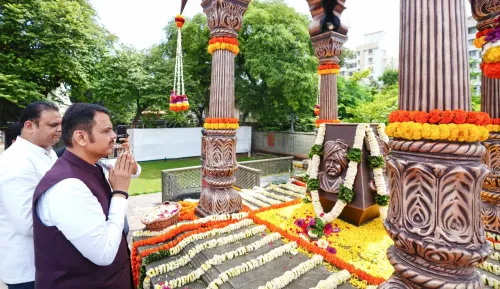
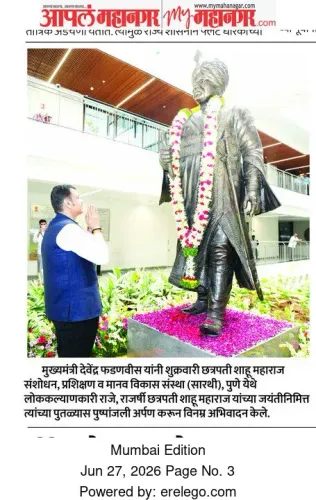
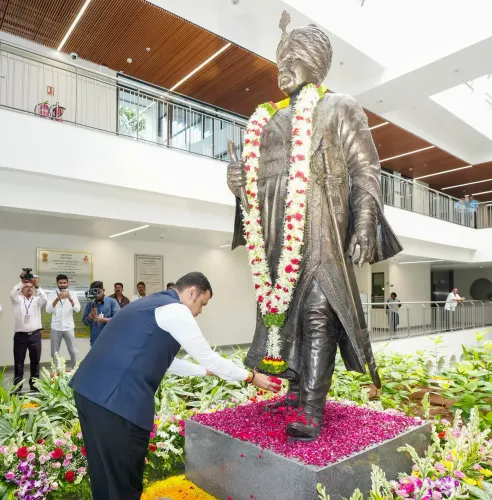
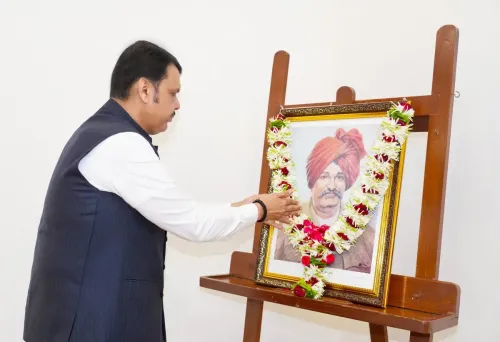
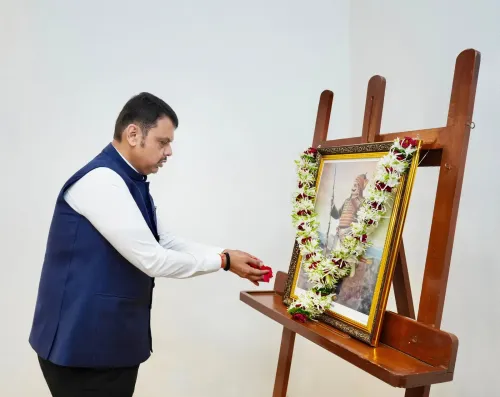
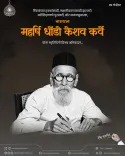
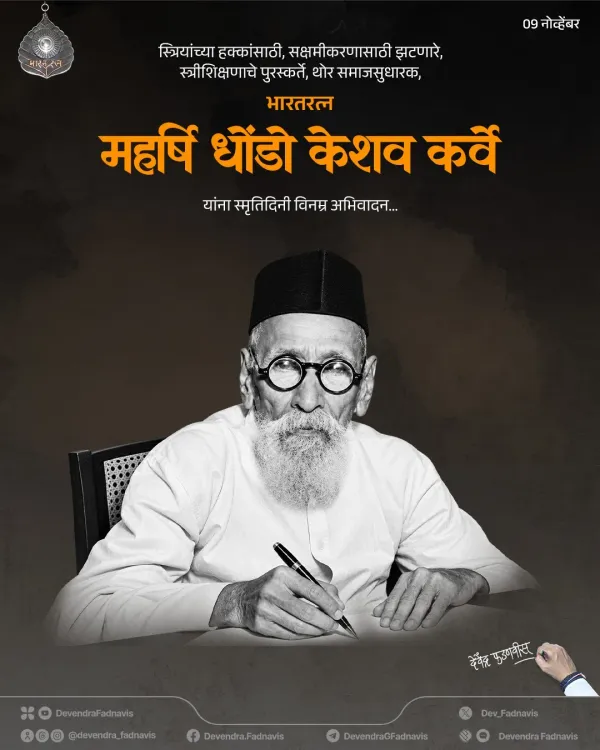
A century before women's university education became a policy talking point, one man from Maharashtra was already building it — brick by brick. Maharashtra Chief Minister Devendra Fadnavis on Monday, 9 November 2026, paid tribute to Bharat Ratna Maharshi Dhondo Keshav Karve on his Smruti Din (death anniversary), honouring the 19th-century reformer whose tireless work for women's education and empowerment reshaped Indian society.
Posting in both English and Marathi, Fadnavis called Karve 'a remarkable reformer whose lifelong dedication to women's education and empowerment laid the foundation for a more equitable society.' In Marathi, he saluted Karve as 'स्त्रियांच्या हक्कांसाठी, सक्षमीकरणासाठी आयुष्यभर झटणारे' — one who strived his entire life for women's rights and empowerment.The Reformer Who Built India's First Women's University
Born in 1858, Maharshi Karve stood against some of the most entrenched social barriers of his era. At a time when women's access to formal education was not just uncommon but actively resisted, Karve founded what would become SNDT Women's University — India's first university established exclusively for women — beginning as a women's college in Pune in 1916. The institution endures today as a testament to his vision, with campuses that continue to serve thousands of women students across Maharashtra.
His contributions were eventually recognised at the highest level by the Indian state: in 1958, Karve was awarded the Bharat Ratna, the country's highest civilian honour, cementing his place alongside the most consequential figures of modern India. He was 100 years old at the time of the award — a detail that underscores the extraordinary arc of his life and work.
Maharashtra's Reformer Legacy and Why It Still Gets Invoked
Fadnavis's tribute is part of a consistent pattern among Maharashtra's political leadership — across parties — of publicly acknowledging the state's formidable 19th- and early-20th-century reform tradition. Karve stands alongside figures like Jyotirao Phule and Dr. B.R. Ambedkar in a constellation of reformers that Maharashtra claims as its progressive inheritance. Official death-anniversary tributes serve not only as acts of historical memory but as an implicit argument: that the state's commitment to social equity has deep, documented roots.
For a sitting Chief Minister, invoking Karve's legacy on his Smruti Din connects the present government's stated priorities on women's empowerment to a lineage that predates independence itself. The message is clear — the work Karve began in Pune over a century ago is unfinished business, and the state intends to carry it forward.
Point of View
Regardless of party, deploy the state's extraordinary reformist heritage to frame current-day governance priorities. By publicly honouring Karve — a figure whose credentials on women's empowerment are historically unassailable — the CM signals alignment with a progressive social compact that has broad cross-caste and cross-community resonance in Maharashtra. This is soft politics, but it is not trivial. In a state where the legacy of reformers like Phule, Ambedkar, and Karve functions as a kind of civic religion, being seen as a faithful custodian of that memory carries real political and symbolic capital.
NationPress
9 Nov 2026
Frequently Asked Questions
Who was Maharshi Dhondo Keshav Karve?
Maharshi Dhondo Keshav Karve was a prominent Indian social reformer born in 1858 who championed women's education and rights. He founded SNDT Women's University in Pune in 1916 — India's first university for women — and was awarded the Bharat Ratna in 1958 at the age of 100.
When is Maharshi Karve's Smruti Din (death anniversary)?
Maharshi Karve's Smruti Din is observed on 9 November. Maharashtra CM Devendra Fadnavis paid tribute to him on this day in 2026 via a post on X.
What is SNDT Women's University and who founded it?
SNDT Women's University, based in Maharashtra, is India's first university established exclusively for women. It was founded by Maharshi Dhondo Keshav Karve in Pune in 1916, initially as a women's college, and has since grown into a full university serving thousands of students.
Why did Maharshi Karve receive the Bharat Ratna?
Maharshi Karve was awarded the Bharat Ratna in 1958 in recognition of his lifelong work in promoting women's education, social reform, and gender equity in India. He was 100 years old at the time of the award.
Why does CM Fadnavis regularly tribute Maharashtra's historical reformers?
Maharashtra has a strong tradition of 19th- and early-20th-century social reformers. Maharashtra's political leaders, including CM Fadnavis, regularly issue public tributes on death anniversaries to acknowledge this legacy and connect contemporary governance priorities — especially on women's empowerment — to the state's historically progressive identity.