CM Bhupendra Patel joins Navratri Garba at Ahmedabad neighbourhood
Synopsis
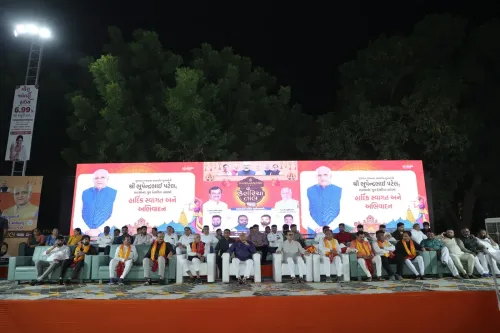
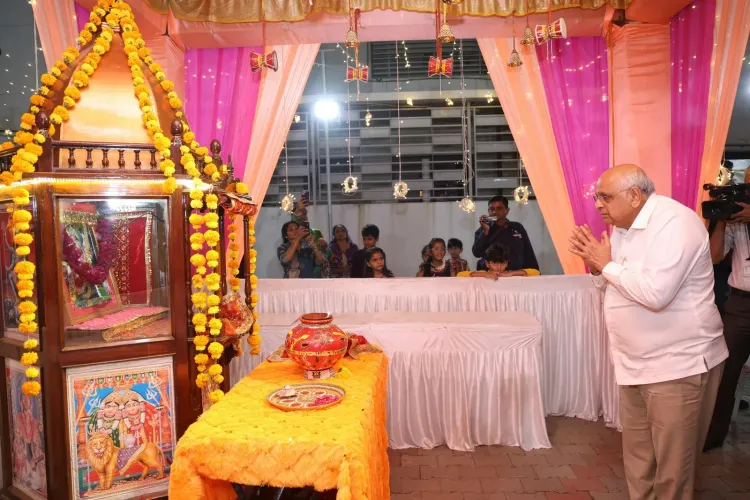
Gujarat Chief Minister Bhupendra Patel joined residents of Tarun Nagar Society on Gurukul Road, Ahmedabad, for Navratri Garba celebrations, calling neighbourhood Garba circles the heart of family values, mutual affection, and social harmony.
Key Takeaways
Gujarat Chief Minister Bhupendra Patel attended the Navratri Garba festival at Tarun Nagar Society, Gurukul Road, Ahmedabad .
He described street and society Garba as 'the centre of family values and mutual affection' in the community.
Patel congratulated all residents for organising a warm, intimate celebration.
He offered blessings in the name of Maa Bhagwati for happiness, peace, and prosperity in every household.
The visit reflects a long-standing Gujarat tradition of the chief minister participating in neighbourhood-level Navratri events.
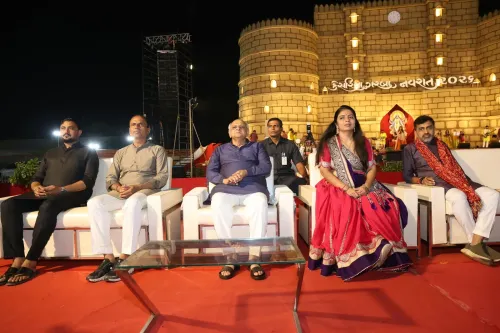
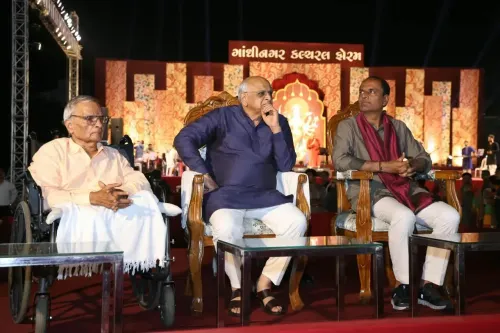
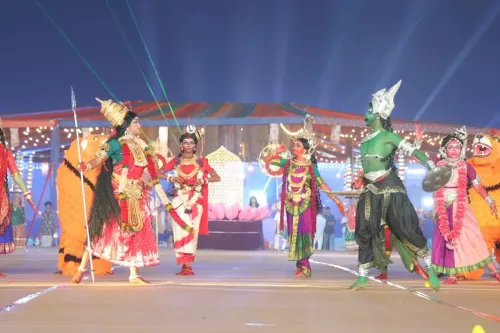
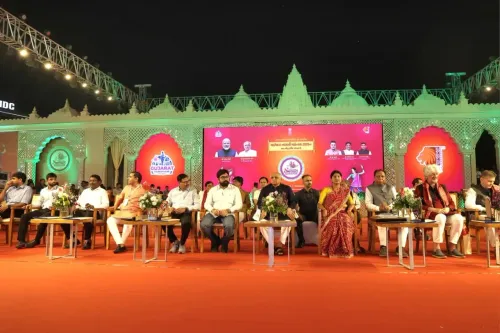
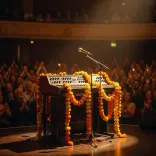
The lanes of Tarun Nagar Society on Gurukul Road, Ahmedabad, filled with the sound of clapping and devotional song as Gujarat Chief Minister Bhupendra Patel joined local families for Garba celebrations on the occasion of Navratri, sharing the festival floor with residents rather than a stage above them.
Patel shared his experience on X in Gujarati, writing: 'શેરી-સોસાયટીઓમાં રમાતા ગરબા એ આપણા પારિવારિક મૂલ્યો અને પરસ્પર સ્નેહનું કેન્દ્ર છે' — 'Garba played in streets and societies is the centre of our family values and mutual affection' — adding that such gatherings strengthen an atmosphere of devotion and harmony across society. He congratulated all residents for the warmth of the occasion and offered a prayer: 'May Maa Bhagwati bring happiness, peace and prosperity to every home and family.'
Why Gurukul Road's Garba matters beyond the society gates
Navratri is arguably Gujarat's most visceral cultural moment — nine nights when neighbourhood societies transform their open courtyards into Garba circles, drawing extended families together in a shared ritual that predates any political calendar. Ahmedabad, as the state's largest city, hosts thousands of such society-level events alongside large commercial venues, and it is the street-level version — smaller, louder, more personal — that leaders have historically made a point of attending.
A Gujarat tradition of leaders walking the Garba circle
Gujarat chief ministers have long made neighbourhood Garba attendance a Navratri fixture, using the setting to underscore the state's identity as a place where cultural festivals double as civic glue. For Patel, who has led the state since 2021, such appearances are consistent with a governing posture that leans into Gujarati cultural identity as a pillar of social cohesion. The message is deliberate: devotion and community solidarity are not seasonal talking points but year-round values expressed most vividly during these nine nights.
The Tarun Nagar Society event, attended by local families who organised it themselves, represents precisely the grassroots character that gives Navratri in Gujarat its enduring weight — not a government-sponsored spectacle but a colony-level celebration that the Chief Minister joined as a participant. With Navratri unfolding across Gujarat's cities and towns simultaneously, the nights ahead will see similar gatherings from Surat to Rajkot to Vadodara — each one a small, humming proof that the festival's deepest energy still lives in the neighbourhood circle.
Point of View
Navratri participation at the neighbourhood level reinforces the party's positioning as the custodian of Gujarati cultural heritage — a message delivered not through press releases but through physical presence in a colony courtyard. It also fits a broader pattern in which Indian state leaders use festival seasons to project accessibility and shared community belonging. The choice of an unsponsored, resident-organised venue sharpens that message considerably.
NationPress
20 Oct 2026
Frequently Asked Questions
Where did CM Bhupendra Patel attend Navratri Garba?
He attended the Garba Mahotsav at Tarun Nagar Society on Gurukul Road in Ahmedabad.
What did Bhupendra Patel say about Navratri Garba?
He said that Garba played in streets and societies is the centre of family values and mutual affection, and that it strengthens an atmosphere of devotion and harmony in society.
Who is Bhupendra Patel?
Bhupendra Patel is the Chief Minister of Gujarat and a senior BJP leader who has been in office since 2021.
How is Navratri celebrated in Gujarat?
Navratri is a nine-night Hindu festival celebrated across Gujarat with Garba dances, devotional music, and community gatherings in neighbourhoods, societies, and large public venues.
Do Gujarat chief ministers typically attend local Navratri events?
Yes, attending neighbourhood Garba events during Navratri has been a long-standing tradition for Gujarat's chief ministers, reflecting the state's emphasis on cultural festivals as expressions of community values.