Piyush Goyal backs fair prices, export push for Andhra aquaculture and tobacco farmers
Synopsis
Commerce Minister Piyush Goyal met Andhra Pradesh aquaculture and tobacco stakeholders on 21 July, pledging fair prices and export growth — on the very day CM Chandrababu Naidu wrote to the Centre demanding GM soybean meal imports, fish meal export curbs, tobacco incentives, and a new NFDB office in Amaravati. The timing makes this less a routine meeting and more a pressure-point moment for one of India's most export-critical farming sectors.
Key Takeaways
Commerce Minister Piyush Goyal met aquaculture and tobacco stakeholders from Andhra Pradesh on 21 July , reaffirming Centre's commitment to fair prices and export growth.
Andhra Pradesh CM N.
Chandrababu Naidu simultaneously wrote to Union ministers seeking permission to import GM soybean meal for shrimp feed manufacturers.
Naidu also demanded regulation of fish meal exports to protect domestic supply, export incentives for tobacco, and a GST reduction on aquaculture inputs.
The Chief Minister sought establishment of a National Fisheries Development Board (NFDB) regional office in Amaravati .
Andhra Pradesh is a major contributor to India's seafood exports, making these policy decisions significant for the country's overall trade performance.
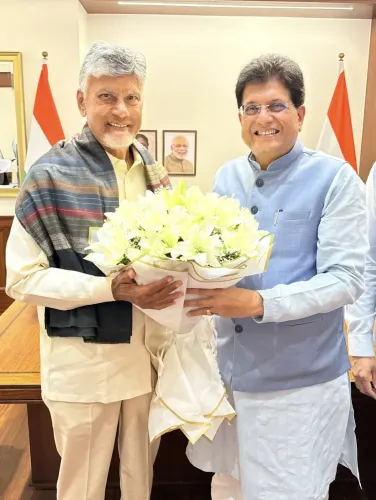
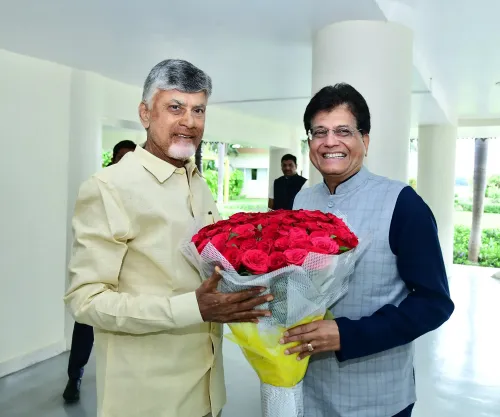
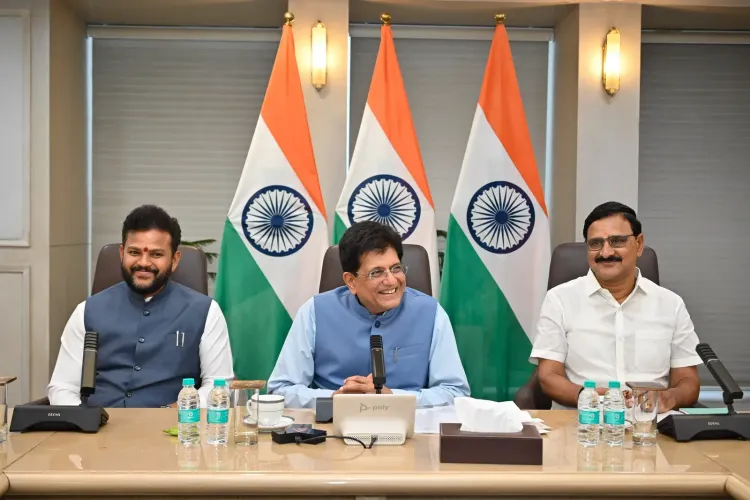
Union Commerce and Industry Minister Piyush Goyal on 21 July reaffirmed the Centre's commitment to bolstering India's aquaculture sector, pledging better market access, fair pricing, and expanded export avenues for farmers — particularly those in Andhra Pradesh. The assurance came after a high-level interaction with stakeholders from the state's aquaculture and tobacco industries.
What the Minister Said
Goyal, in a post on social media platform X, said the meeting focused on 'opportunities to further strengthen the aquaculture sector to boost India's coastal economy.' The minister underscored the government's intent to secure improved livelihoods for farmers through fair prices and enhanced market access. He added that these steps would also accelerate Andhra Pradesh's broader economic progress, given that aquaculture is one of the state's most significant export-oriented sectors and a major driver of India's seafood export earnings.
Who Was in the Room
The meeting was attended by Union Civil Aviation Minister Ram Mohan Naidu Kinjarapu, Minister of State for Heavy Industries and Steel Bhupathiraju Srinivasa Varma, Bharatiya Janata Party (BJP) leader D. Purandeswari, Telugu Desam Party (TDP) Parliamentary Party leader Lavu Sri Krishna Devarayalu, and Andhra Pradesh ministers K. Atchannaidu, Gottipati Ravi Kumar, and Dola Bala Veeranjaneya Swamy. The broad representation of both Union and state-level leaders signals the political weight being attached to the sector's challenges.
Chandrababu Naidu's Demands to the Centre
The interaction gains added significance because it coincided with Andhra Pradesh Chief Minister N. Chandrababu Naidu writing separately to Union ministers, including Goyal, outlining a series of urgent demands. Naidu cited rising input costs and intensifying competition in global markets as key pressure points for the state's farmers.
In his letters, the Chief Minister sought permission to import genetically modified (GM) soybean meal for shrimp feed manufacturers, regulation of fish meal exports to ensure domestic supply is prioritised before overseas shipments are cleared, export incentives for tobacco, a reduction in GST on critical aquaculture inputs, and the establishment of a regional office of the National Fisheries Development Board (NFDB) in Amaravati. Naidu specifically argued that allowing GM soybean meal imports would help ease feed shortages and reduce costs for shrimp farmers.
Why This Matters for India's Seafood Exports
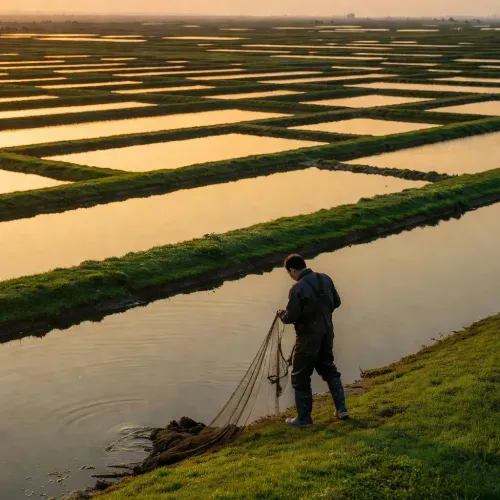
Andhra Pradesh accounts for a substantial share of India's shrimp production and seafood export revenues, making policy decisions around feed costs, export regulation, and market access directly consequential for the country's trade balance. This comes amid a broader global push by competing shrimp-producing nations — including Ecuador and Vietnam — to capture larger shares of key markets such as the United States and the European Union. Notably, feed costs remain one of the most significant variables affecting shrimp farmers' margins, making the GM soybean meal request particularly time-sensitive.
What Comes Next
No formal policy decisions were announced following the meeting, but the Centre's engagement at this level suggests the demands are being taken seriously. Stakeholders and industry bodies will be watching for concrete follow-through — particularly on the fish meal export regulation and GST reduction proposals — in the weeks ahead.
Point of View
But the substance beneath them is urgent. Andhra Pradesh's shrimp farmers are being squeezed between rising feed costs and stiffer global competition — and the GM soybean meal request is not a fringe ask; it reflects a real cost-structure problem that domestic supply cannot currently solve. The Centre's willingness to engage at ministerial level is a signal, but engagement without a decision timeline on fish meal export regulation or GST relief risks becoming political theatre. With Ecuador and Vietnam aggressively expanding seafood market share, India's window to shore up its aquaculture competitiveness is narrowing — and stakeholder meetings alone will not hold that line.
NationPress
20 Oct 2026
Frequently Asked Questions
What did Commerce Minister Piyush Goyal promise aquaculture farmers in Andhra Pradesh?
Goyal reaffirmed the Centre's commitment to ensuring fair prices, improved market access, and new export growth avenues for aquaculture and tobacco farmers in Andhra Pradesh. He made these remarks following a stakeholder meeting held on 21 July, also posting about the interaction on social media platform X.
What did Andhra Pradesh CM Chandrababu Naidu demand from the Centre for aquaculture farmers?
Chief Minister N. Chandrababu Naidu wrote to Union ministers seeking permission to import GM soybean meal for shrimp feed manufacturers, regulation of fish meal exports to protect domestic supply, export incentives for tobacco, a GST reduction on aquaculture inputs, and a regional NFDB office in Amaravati. He cited rising input costs and growing global competition as the key drivers behind these demands.
Why is GM soybean meal important for shrimp farmers in Andhra Pradesh?
GM soybean meal is a critical ingredient in shrimp feed. According to Naidu's letter, allowing its import would help address existing shortages and reduce feed costs for shrimp farmers, who are currently facing margin pressure from elevated input prices.
Who attended the aquaculture stakeholder meeting with Piyush Goyal?
The meeting included Union Civil Aviation Minister Ram Mohan Naidu Kinjarapu, Minister of State Bhupathiraju Srinivasa Varma, BJP leader D. Purandeswari, TDP Parliamentary Party leader Lavu Sri Krishna Devarayalu, and Andhra Pradesh state ministers K. Atchannaidu, Gottipati Ravi Kumar, and Dola Bala Veeranjaneya Swamy.
Why does Andhra Pradesh's aquaculture sector matter for India's exports?
Andhra Pradesh is one of India's largest shrimp-producing states and a major contributor to the country's seafood export revenues. Policy decisions on feed costs, export regulation, and market access in the state directly affect India's overall seafood trade performance and its ability to compete with countries like Ecuador and Vietnam.