CM Chandrababu Writes to Piyush Goyal for FCV Tobacco Export Incentives
Synopsis
AP Chief Minister Chandrababu Naidu has written to Union Commerce Minister Piyush Goyal demanding RoDTEP coverage and other export incentives for FCV tobacco, warning that Indian exporters face severe competition from subsidy-backed rivals in Zimbabwe and Tanzania while unprocessed tobacco remains excluded from central schemes since August 2021.
Key Takeaways
CM Chandrababu Naidu wrote to Union Minister Piyush Goyal seeking export incentives for FCV tobacco from Andhra Pradesh .
70 per cent of India's FCV tobacco production is exported, supporting livelihoods of lakhs of farming families .
Unprocessed tobacco ( HS Code 2401 ) was excluded from the RoDTEP scheme when it was expanded in August 2021 to cover tea, coffee, and spices.
Competitors in Zimbabwe and Tanzania receive subsidies and duty exemptions, giving them a price advantage over Indian exporters.
FCV tobacco is also excluded from the interest equalisation scheme and Niryaat Protsahan , adding to exporters' cost burden.
The CM requested immediate inclusion of HS Codes 2401 10, 2401 20, and 2401 30 under the RoDTEP framework.
Andhra Pradesh Chief Minister Nara Chandrababu Naidu has written to Union Minister of Commerce and Industry Piyush Goyal urging the central government to extend export incentives to Flue-Cured Virginia (FCV) tobacco from Andhra Pradesh, citing intense competition from African exporters who receive state-backed subsidies and duty exemptions.
Context
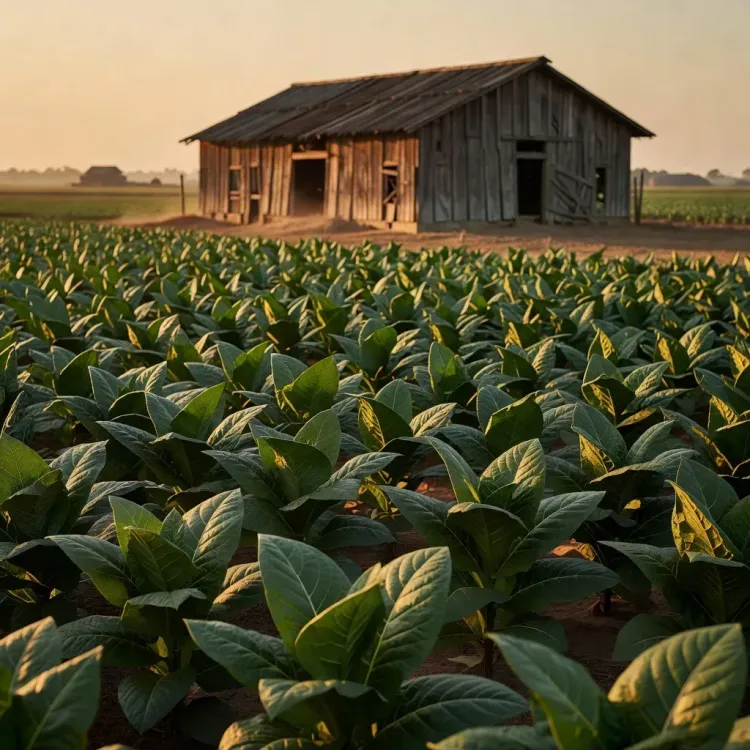
CM Naidu stated in the letter that FCV tobacco provides livelihoods to lakhs of farming families and contributes significantly to India's foreign exchange earnings. He noted that 70 per cent of the country's FCV tobacco production is exported, making it a critical agricultural commodity for the state's rural economy. Andhra Pradesh accounts for the bulk of India's Flue-Cured Virginia tobacco output, placing the state at the centre of any policy shift on tobacco exports.
Policy Backdrop
In August 2021, the central government expanded the RoDTEP (Remission of Duties and Taxes on Export Products) scheme to include agricultural commodities such as tea, coffee, and spices — but explicitly left out unprocessed tobacco under HS Code 2401. The CM pointed out that this exclusion denies tobacco exporters the duty-remission benefit extended to other farm produce, adding to their cost burden. Similarly, FCV tobacco has been kept out of schemes such as the Samaan Vyaaj Yojana (interest equalisation scheme) and Niryaat Protsahan (export promotion), leaving exporters without the financial cushion their competitors enjoy.
Countries such as Zimbabwe and Tanzania — major global leaf tobacco exporters — provide direct subsidies and duty exemptions to their exporters, enabling them to undercut Indian shipments in international markets. The CM's letter underlines that Indian FCV tobacco exporters face 'severe competition' with no comparable government support on their side.
Stakeholders and Impact
The demand directly affects FCV tobacco growers concentrated in the Krishna, Guntur, and West Godavari districts of Andhra Pradesh, as well as the export-trading community that processes and ships the leaf. A decline in export competitiveness translates into lower farmgate prices and reduced income for growers. Tobacco board data has historically shown that India's leaf tobacco exports are sensitive to price differentials created by rival nations' subsidy regimes.
The CM specifically requested that unprocessed tobacco varieties under HS Codes 2401 10, 2401 20, and 2401 30 be immediately brought under the RoDTEP framework on a par with other agricultural exports, so that embedded taxes are remitted and exporters can price competitively in global markets.
What's Next
The letter sets the stage for a possible revision in the next RoDTEP notification or within the upcoming review of India's Foreign Trade Policy. If the Centre responds favourably, it would mark the first time FCV tobacco receives duty-remission parity with other farm exports since the RoDTEP scheme replaced the earlier MEIS framework. The outcome will be closely watched by tobacco farming communities across Andhra Pradesh and the broader leaf-tobacco export industry, for whom a positive central decision could restore price competitiveness against African rivals.
Point of View
Where a commodity-rich state feels squeezed by a central scheme that drew arbitrary lines around which farm products deserve duty remission. The exclusion of tobacco from RoDTEP since 2021 was likely driven by health-policy optics rather than trade logic, making any reversal politically delicate for New Delhi even as it pursues higher agricultural export targets. Naidu's framing — foreign exchange earnings, farmer livelihoods, and competitive disadvantage versus African rivals — is calibrated to appeal to the Commerce Ministry's trade-promotion mandate rather than the health debate. The letter signals that Andhra Pradesh will keep pressing this issue through the Foreign Trade Policy review cycle, using the competitive threat from Zimbabwe and Tanzania as its strongest argument.
NationPress
21 Jul 2026
Frequently Asked Questions
Why is CM Chandrababu Naidu writing to Piyush Goyal about tobacco?
CM Naidu wrote to Union Commerce Minister Piyush Goyal to demand that FCV tobacco from Andhra Pradesh be included in the RoDTEP export incentive scheme and other central export promotion programmes, as Indian exporters currently receive no subsidy support while competitors in Zimbabwe and Tanzania do.
What is FCV tobacco and why is it important for Andhra Pradesh?
Flue-Cured Virginia (FCV) tobacco is a premium variety grown mainly in Andhra Pradesh, which accounts for the bulk of India's output. It supports the livelihoods of lakhs of farming families and is a significant source of foreign exchange, with 70 per cent of the country's FCV production exported.
Why was tobacco excluded from the RoDTEP scheme?
When the RoDTEP scheme was expanded in August 2021 to cover agricultural commodities like tea, coffee, and spices, unprocessed tobacco under HS Code 2401 was left out. The exclusion is widely attributed to health-policy considerations, though no official rationale was provided at the time.
How do Zimbabwe and Tanzania compete with India on tobacco exports?
Zimbabwe and Tanzania offer their tobacco exporters direct government subsidies and duty exemptions, allowing them to price leaf tobacco more competitively in international markets than Indian exporters, who receive no comparable financial support.
What specific demand has CM Naidu made to the Centre?
CM Naidu has requested that unprocessed tobacco varieties under HS Codes 2401 10, 2401 20, and 2401 30 be immediately brought under the RoDTEP scheme on a par with other agricultural exports, and that FCV tobacco be covered under the interest equalisation scheme and Niryaat Protsahan as well.