Andhra Pradesh to cap FCV tobacco output at 81 mn kg amid surplus crisis
Synopsis
Andhra Pradesh's FCV tobacco sector produced nearly 240 million kg this season against a Tobacco Board-sanctioned 142 million kg — and prices have crashed from ₹360 to below ₹250 per kg as a result. The state now wants to slash next season's output to 81 million kg, but with cigarette taxes sharply higher and exports sluggish, the crisis runs deeper than any single-season production cap can fix.
Key Takeaways
Andhra Pradesh plans to cap FCV tobacco production at 81 million kg for the 2026-27 season .
Actual output in 2025-26 hit nearly 240 million kg against a Tobacco Board -authorised 142 million kg .
Farm-gate prices have fallen from over ₹360/kg last season to below ₹250/kg ; the average auction price was ₹219.50/kg ten days ago.
Daily procurement has picked up to 8.5 lakh kg , with the state pressing companies to raise prices further.
GST on cigarettes was raised from 28% to 40% and excise duty hiked to ₹2,050–₹8,500 per 1,000 cigarettes from 1 February 2026 , disrupting the tobacco value chain.
Chandrababu Naidu wrote to Finance Minister Nirmala Sitharaman and Commerce Minister Piyush Goyal in May seeking relief for affected farmers.
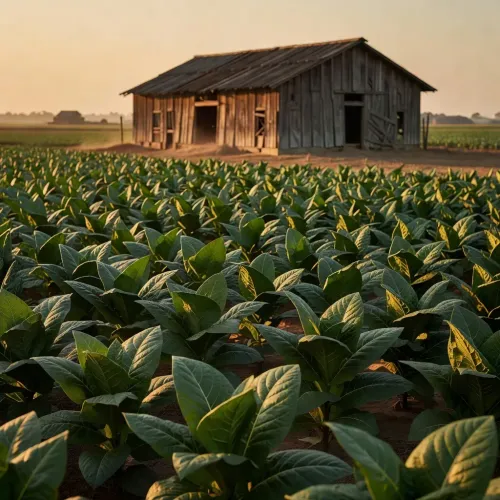
Andhra Pradesh is moving to curtail Flue-Cured Virginia (FCV) tobacco production in the 2026-27 season, capping output at 81 million kilograms, as the state grapples with a deepening agrarian crisis triggered by runaway surplus, weak exports, and collapsing farm prices. The decision was announced on Friday, 17 July by Agriculture Minister Kinjarapu Atchannaidu, who said farmers would be sensitised to adhere to the revised production ceiling.
Scale of the Surplus Crisis
The Tobacco Board had authorised production of 142 million kg for Andhra Pradesh during the 2025-26 season, but actual output is estimated at nearly 240 million kg — almost 70% above the sanctioned limit. The unchecked surplus, compounded by sluggish procurement and weak export demand, has pushed thousands of FCV tobacco farmers into severe financial distress.
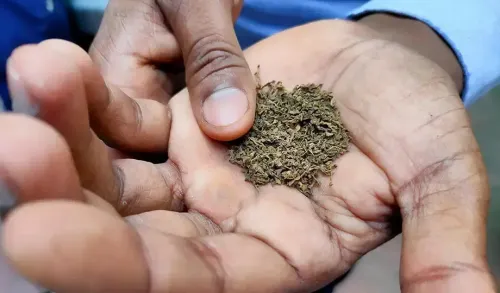
Prices have reflected the glut sharply. During the previous season, FCV tobacco fetched over ₹360 per kg; this season the price has plummeted to below ₹250 per kg, with the average auction price recorded at just ₹219.50 per kg as recently as ten days ago.
Emergency Procurement Measures
Minister Atchannaidu on Friday chaired a teleconference on FCV tobacco procurement, attended by Energy Minister Gottipati Ravi Kumar, Social Welfare Minister Dola Sri Bala Veeranjaneya Swamy, the Tobacco Board Chairman, the Executive Director, and the Director of Agriculture. Discussions centred on accelerating procurement and ensuring farmers receive remunerative prices.
According to official statements, procurement has gained momentum over the past four days, with 8.5 lakh kilograms of tobacco being procured daily. Minister Atchannaidu urged the Tobacco Board to press buying companies to raise prices beyond the current maximum of ₹250 per kg, and specifically directed the Board Chairman and Executive Director to hold talks with companies to ensure even lower-grade tobacco fetches a viable price.
Taxation Policy Adding to Farmers' Woes
The crisis is not solely a production-planning failure. Farmers and officials attribute significant disruption to a revised cigarette taxation regime that took effect on 1 February 2026. The changes raised GST on cigarettes from 28% to 40%, and steeply hiked excise duty to a range of ₹2,050 to ₹8,500 per 1,000 cigarettes depending on category and length — a move farmers say triggered a more-than-70% increase in effective excise burden, disrupting the entire tobacco value chain.
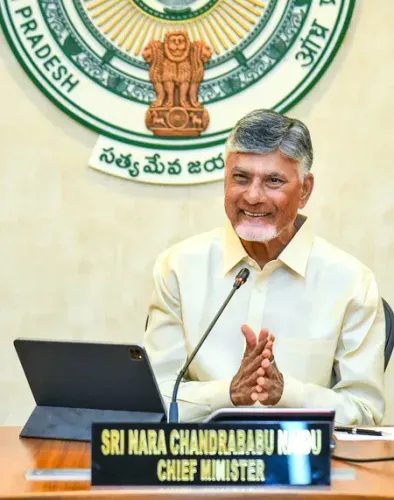
Chief Minister N. Chandrababu Naidu had written separately to Union Finance Minister Nirmala Sitharaman and Union Commerce and Industry Minister Piyush Goyal in May, flagging the hardships faced by FCV tobacco farmers and seeking relief from the revised tax structure.
What Happens Next
The state government's immediate priority is to clear the existing stockpile at remunerative prices before the next sowing cycle. The proposed 81 million kg cap for 2026-27 represents a sharp reduction from both the authorised and actual output of the current season, but its enforceability will depend on farmer awareness campaigns and Tobacco Board compliance mechanisms. With Centre-level tax policy still unchanged, the structural pressure on the FCV sector is unlikely to ease without a coordinated response from both Amaravati and New Delhi.
Point of View
Absent procurement planning, and a Union tax regime that has made cigarettes significantly more expensive and, by extension, suppressed manufacturer demand for leaf tobacco. The gap between the Tobacco Board's authorised 142 million kg and actual output of 240 million kg points to a governance failure in pre-season regulation, not just farmer behaviour. Meanwhile, the Centre's cigarette tax hike — designed to curb smoking — has had the unintended consequence of squeezing the very farmers at the bottom of the value chain. Until New Delhi responds to Chief Minister Naidu's letters with concrete relief, Amaravati's production-ceiling gambit may simply shift distress rather than resolve it.
NationPress
15 Oct 2026
Frequently Asked Questions
Why is Andhra Pradesh planning to limit FCV tobacco production?
Andhra Pradesh is planning to cap FCV tobacco production at 81 million kg for 2026-27 because the current season saw output balloon to nearly 240 million kg — far above the Tobacco Board-authorised 142 million kg — leading to a price crash, weak exports, and widespread farmer distress.
What has happened to FCV tobacco prices in Andhra Pradesh?
FCV tobacco prices have fallen sharply this season, dropping from over ₹360 per kg in the previous season to below ₹250 per kg currently. The average auction price was as low as ₹219.50 per kg about ten days ago.
How have cigarette tax changes affected Andhra Pradesh tobacco farmers?
A revised tax regime effective from 1 February 2026 raised GST on cigarettes from 28% to 40% and hiked excise duty to between ₹2,050 and ₹8,500 per 1,000 cigarettes, which farmers say caused a more than 70% increase in excise burden and disrupted the tobacco value chain, reducing demand for leaf tobacco.
What steps is the state government taking to help farmers immediately?
The state has held an emergency teleconference chaired by Agriculture Minister Kinjarapu Atchannaidu to accelerate procurement, which has reached 8.5 lakh kg per day. The minister has urged the Tobacco Board to pressure buying companies to raise prices beyond the current ₹250 per kg ceiling.
Has Chief Minister Chandrababu Naidu sought Central government intervention?
Yes. Chief Minister N. Chandrababu Naidu wrote separately to Union Finance Minister Nirmala Sitharaman and Union Commerce and Industry Minister Piyush Goyal in May 2026, seeking relief for FCV tobacco farmers affected by the revised cigarette taxation policy.