Goa CM's Office Hails Teachers and Parents as Nation Builders
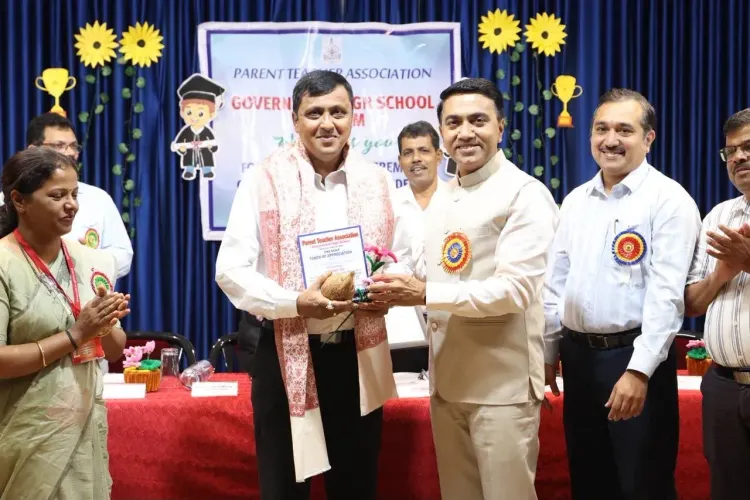
Synopsis
The Chief Minister's Office of Goa on 17 July 2026 publicly relayed appreciation for teachers and parents, recognising their efforts in shaping the next generation of leaders, in line with the state's NEP 2020-aligned education agenda.
Key Takeaways
The Chief Minister's Office of Goa amplified an appreciation for teachers and parents on 17 July 2026 via the official @goacm account.
The post praised the 'unwavering efforts of the teaching fraternity and parents' in nurturing future leaders.
Goa aligned its school curriculum with NEP 2020 from academic year 2023-24 , emphasising community participation.
Chief Minister Pramod Sawant has positioned education and human development as state priorities since taking office in 2019 .
Budget allocations for teacher training and new education policy updates are expected in the 2026-27 legislative session.
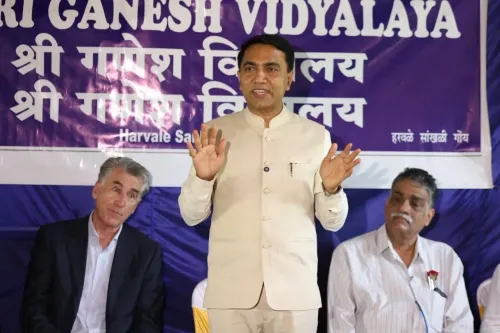
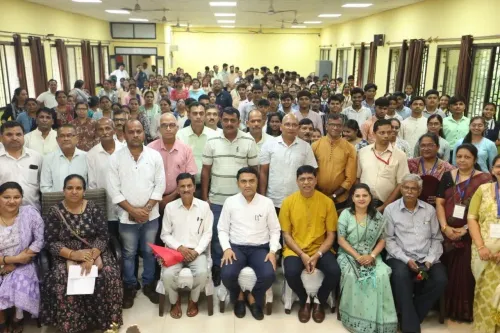
The Chief Minister's Office of Goa on Friday, 17 July 2026, shared an appreciation for the teaching community and parents, noting that their unwavering efforts are central to nurturing the next generation of leaders in the state.
Context
The post, shared as a reply on the official @goacm account, relayed an appreciation extended to the 'teaching fraternity and parents' for their role in shaping young leaders. While the identity of the individual who made the original appreciation was not specified in the post, the sentiment was publicly amplified by the Chief Minister's Office, signalling institutional endorsement of the message.
Such public acknowledgements from state administrations are a recurring feature of Indian governance communication, particularly around education milestones and community engagement events.
Policy Backdrop
Goa aligned its state school curriculum with the National Education Policy (NEP) 2020 beginning academic year 2023-24, placing renewed emphasis on community participation — including active roles for parents and well-trained teachers — as foundational to quality schooling.
Chief Minister Pramod Sawant, who has held office since 2019, has consistently positioned education and human development as priorities of the state government. Public messaging around teacher and parent contributions fits within the broader NEP 2020 framework, which calls for school-community partnerships to improve learning outcomes.
Stakeholders and Impact
The primary stakeholders identified in the post are teachers and parents across Goa. For the teaching fraternity, such institutional recognition carries symbolic weight, particularly as the state continues to roll out NEP 2020-aligned curriculum reforms that demand greater pedagogical adaptability from educators.
For parents, the acknowledgement reflects a shift in policy thinking that frames home and school environments as jointly responsible for producing capable, civic-minded citizens. State governments across India have increasingly used social media to reinforce this narrative, making community stakeholders visible participants in public education discourse.
What's Next
Observers will watch the Goa government's upcoming legislative session for concrete measures backing this recognition — including budget allocations for teacher training programmes and any new education policy announcements expected in the 2026-27 fiscal cycle.
The state's ability to translate public appreciation into structural support — through better remuneration, professional development, and parent-engagement frameworks — will determine how substantive this acknowledgement proves to be for the education ecosystem in Goa.
Point of View
High-visibility signal that aligns with the NEP 2020 communication playbook adopted by several state governments. It reinforces the narrative of community co-ownership of education outcomes without committing to specific policy or budgetary action. The real test for the Goa government will come in the 2026-27 legislative session, where allocations for teacher training and parent-engagement infrastructure will reveal whether the rhetoric translates into structural investment. Until then, the post functions primarily as institutional goodwill-building within an ongoing reform cycle.
NationPress
16 Oct 2026
Frequently Asked Questions
What did the Goa CM's Office say about teachers and parents?
The Chief Minister's Office of Goa shared a post on 17 July 2026 relaying appreciation for the 'unwavering efforts of the teaching fraternity and parents' in nurturing the next generation of leaders.
Who is the Chief Minister of Goa in 2026?
Pramod Sawant is the Chief Minister of Goa, having held the office since 2019.
How is Goa implementing NEP 2020 in schools?
Goa aligned its state school curriculum with the National Education Policy 2020 from academic year 2023-24, with an emphasis on community participation, teacher development, and quality learning outcomes.
Why do state governments in India appreciate teachers on social media?
State governments routinely use social media to publicly acknowledge teachers and parents as part of broader education reform communication, reinforcing community roles under frameworks like NEP 2020.
What education policy updates are expected from Goa in 2026-27?
Observers are watching the Goa government's 2026-27 legislative session for budget allocations towards teacher training programmes and any new state education policy announcements.