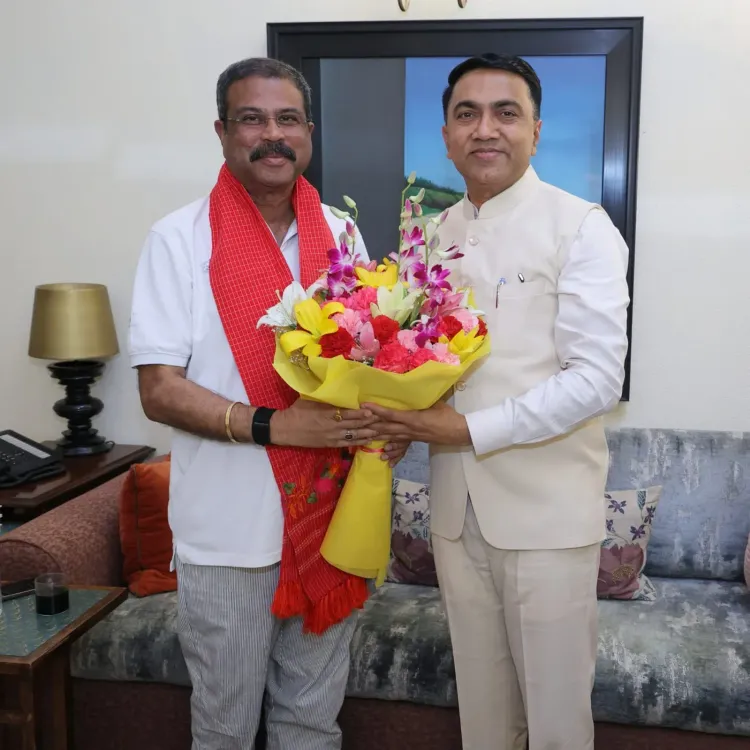
NEP 2020 review: Dharmendra Pradhan meets Goa CM Pramod Sawant
Synopsis
Five years after NEP 2020 was adopted, Education Minister Dharmendra Pradhan is taking the policy to individual state capitals — meeting Goa CM Pramod Sawant to push skilling and curriculum reform. With female GER now exceeding male GER and PhD enrolment nearly doubled, the Centre is building a data-backed case for the policy's impact, even as state-level execution remains uneven.
Key Takeaways
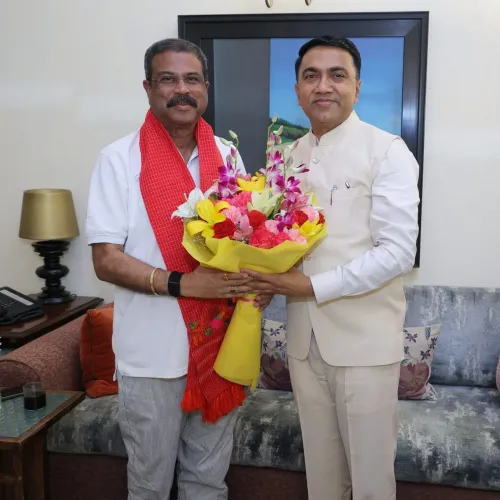
Education Minister Dharmendra Pradhan met Goa CM Pramod Sawant on 7 June to discuss NEP 2020 implementation and youth skilling.
Total student enrolment in India has reached 4.46 crore , a 30% increase since 2014–15 .
Female enrolment has grown 38% ; female GER now exceeds male GER.
PhD enrolment has nearly doubled; female PhD scholars up 136% .
GER for Scheduled Tribes rose 10 percentage points ; for Scheduled Castes , more than 8 percentage points .
India now has over 1,200 universities and 46,000+ colleges , among the largest systems globally.
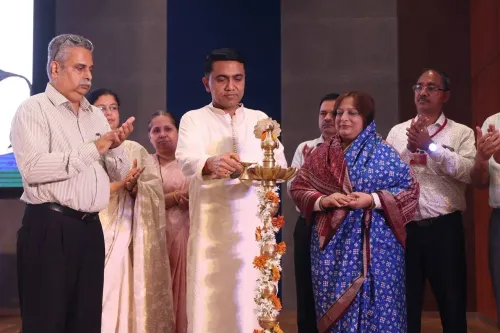
Union Education Minister Dharmendra Pradhan on Sunday, 7 June met Goa Chief Minister Pramod Sawant in New Delhi to review progress on the National Education Policy (NEP) 2020 and explore ways to expand skilling opportunities for Goa's youth. The meeting signals the Centre's continued push to deepen NEP implementation at the state level.
What Was Discussed
Pradhan, in a post on social media platform X, described the meeting as fruitful. 'Pleased to meet Chief Minister of Goa, @PramodPSawantJi. Had fruitful discussions on strengthening the implementation of #NEP2020 and expanding skilling opportunities for the youth of Goa,' he wrote. He added: 'Looking forward to our continued collaboration in advancing quality education and developing the human resources of the State effectively.'
What NEP 2020 Seeks to Achieve
The National Education Policy 2020 is India's comprehensive framework to overhaul its education system, replacing the 1986 policy. Built on five pillars — Access, Equity, Quality, Affordability, and Accountability — it introduces multidisciplinary learning, vocational integration, and structural academic flexibility across school and higher education.
Key Progress Numbers Cited by the Minister
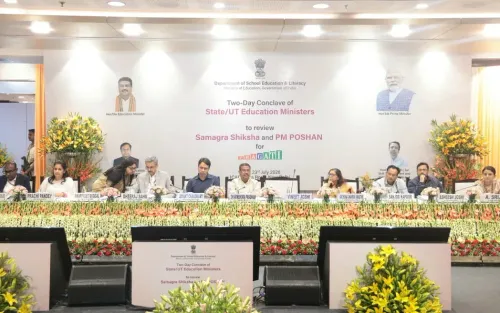
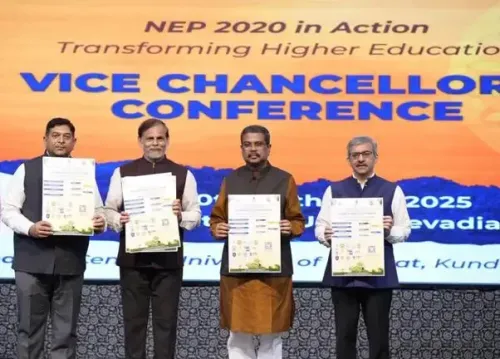
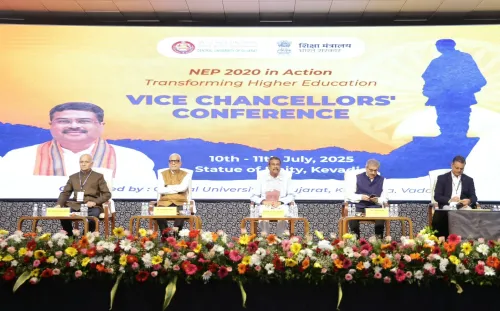
Pradhan recently addressed Vice-Chancellors of Central Universities to assess NEP implementation since its inception, framing the exercise as part of the broader Viksit Bharat 2047 vision. He cited a sweeping set of enrolment gains: total student enrolment has reached 4.46 crore, a 30% rise since 2014–15. Female enrolment has grown by 38%, with female Gross Enrolment Ratio (GER) now exceeding male GER for the first time.
PhD enrolment has nearly doubled over the period, and female PhD scholars have surged by 136%. GER for Scheduled Tribes has risen by 10 percentage points and for Scheduled Castes by more than 8 percentage points — figures the minister cited as evidence of the Centre's commitment to inclusive education and social justice.
Institutional Expansion
According to Pradhan, India now has more than 1,200 universities and over 46,000 colleges, placing it among the largest higher education systems globally. He described the past decade as a period of 'fundamental transformation' that has made India's higher education ecosystem more flexible, interdisciplinary, inclusive, and innovation-driven.
What Comes Next
The Goa meeting is part of a broader pattern of bilateral Centre–state consultations aimed at accelerating NEP rollout. With skilling and vocational education flagged as priorities for Goa specifically, follow-up action on curriculum alignment and industry linkages is expected. The Centre's engagement with individual states underscores that NEP 2020, now five years old, remains a work in progress — with outcomes varying considerably across regions.
Point of View
But the numbers Pradhan is citing deserve scrutiny. Enrolment growth and GER gains are real and significant — female PhD scholars up 136% is a genuinely striking figure. However, enrolment is not the same as completion or quality of learning outcomes, and NEP 2020's more ambitious structural reforms — multidisciplinary curricula, credit transfer frameworks, mother-tongue instruction — remain inconsistently implemented across states. The Goa meeting's focus on 'skilling opportunities' also raises a question: five years in, is the Centre pivoting from NEP's academic reform agenda toward a narrower workforce-readiness pitch? That shift, if real, would mark a quiet but significant reframing of what NEP 2020 is for.
NationPress
24 Oct 2026
Frequently Asked Questions
What did Education Minister Dharmendra Pradhan and Goa CM Pramod Sawant discuss?
They met on 7 June in New Delhi to discuss strengthening the implementation of NEP 2020 and expanding skilling opportunities for Goa's youth. Pradhan described the discussions as fruitful and expressed intent for continued Centre–state collaboration on education.
What is the National Education Policy 2020?
NEP 2020 is India's overarching education reform framework that replaced the 1986 policy. It is built on five pillars — Access, Equity, Quality, Affordability, and Accountability — and introduces multidisciplinary learning, vocational integration, and academic flexibility across school and higher education.
What are the latest higher education enrolment figures cited by the minister?
Total student enrolment has reached 4.46 crore, a 30% rise since 2014–15. Female enrolment has grown 38% and female GER now exceeds male GER, while PhD enrolment has nearly doubled and female PhD scholars have grown by 136%.
How has NEP 2020 benefited marginalised communities?
GER for Scheduled Tribes has increased by 10 percentage points and for Scheduled Castes by more than 8 percentage points since the policy's implementation, according to figures cited by Pradhan at a Central University Vice-Chancellors' meeting.
How many universities and colleges does India have now?
India currently has more than 1,200 universities and over 46,000 colleges, making it one of the largest higher education systems in the world, according to the Union Education Ministry.