Dr. Jitendra Singh hails NEP 2020 as Modi govt's landmark reform
Synopsis
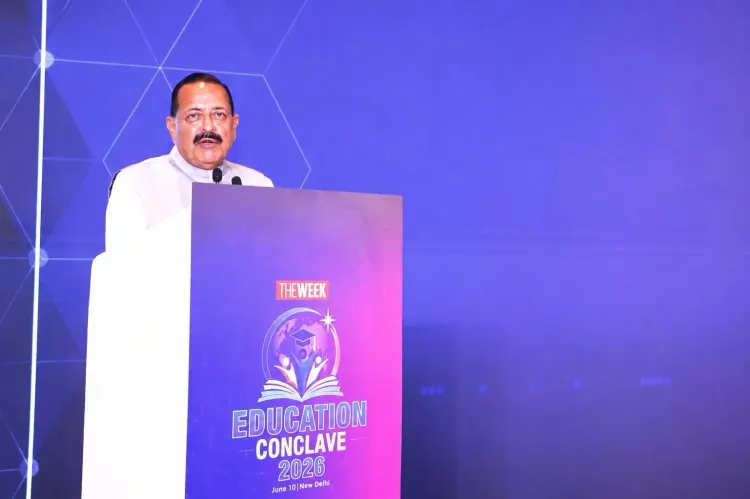
At The Week Education Conclave 2026, Union Minister Dr. Jitendra Singh called NEP 2020 one of the most transformative education reforms in India, crediting it with freeing students from rigid subject streaming and democratising access through technology over the past decade.
Key Takeaways
Jitendra Singh addressed The Week Education Conclave 2026 on 10 June 2026 , championing NEP 2020 as a landmark reform.
He described the policy as having 'liberated students from being prisoners of the subjects chosen for them by their parents,' ending rigid academic streaming.
NEP 2020 was approved by the Union Cabinet on 29 July 2020 , replacing a policy that had stood since 1986 .
The minister credited technology platforms such as SWAYAM and DIKSHA with making education more accessible and affordable over the past decade.
He framed the reforms as part of a broader 'democratisation' of educational opportunity under 12 years of the Narendra Modi government.
State-level implementation and the National Curriculum Framework rollout remain key milestones to watch.
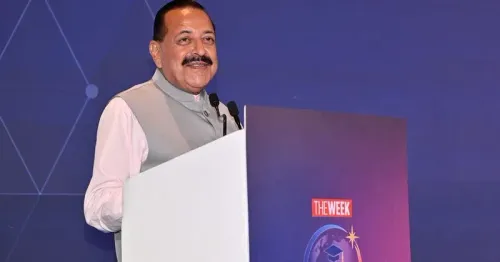
Union Science and Technology Minister Dr. Jitendra Singh addressed educationists and students at the The Week Education Conclave 2026 on Wednesday, 10 June 2026, calling the National Education Policy 2020 one of the most transformative reforms in India's education sector and a defining hallmark of 12 years of the Narendra Modi government.
Context
Speaking at the conclave, Dr. Jitendra Singh described NEP 2020 as having 'liberated students from being prisoners of the subjects chosen for them by their parents.' He argued that the earlier system compelled students to continue with academic streams irrespective of their interests, limiting flexibility and individual choice.
The minister said students who do not wish to pursue conventional career trajectories now have the freedom to explore or even combine diverse disciplines, and that this shift has improved the overall quality and motivation of the future workforce.
Policy Backdrop
NEP 2020 was approved by the Union Cabinet on 29 July 2020, replacing the National Policy on Education 1986 after 34 years. It introduced multidisciplinary, flexible learning with multiple entry and exit options, moving away from early streaming into science, commerce or humanities toward aptitude-based choices and vocational integration from Class 6.
Digital platforms such as SWAYAM and DIKSHA, launched from 2017 onward, have been central to the policy's goal of making education more accessible and affordable. Dr. Jitendra Singh emphasised that the optimum use of technology has helped reduce barriers that previously restricted educational opportunities to a limited segment of society.
The policy also aligns with broader federal programmes including Digital India and Skill India, and supports credit-based systems and mother-tongue instruction aimed at raising gross enrolment ratios and reducing dropouts.
Stakeholders and Impact
The minister noted that educational opportunities have undergone a 'process of democratisation over the past decade,' a framing that positions NEP 2020 as an equity intervention as much as a curricular one. Students, parents, higher education institutions and the broader workforce are all identified as beneficiaries of the shift.
For students from non-elite backgrounds, the removal of rigid subject streaming and the expansion of affordable online content represent a meaningful reduction in structural barriers. The policy's four-year undergraduate structure and credit-transfer provisions further widen pathways for learners who need flexibility.
What's Next
State-level implementation of NEP 2020 remains uneven, and the phased rollout of the National Curriculum Framework for school and teacher education will be closely watched. Parliamentary debates on the education budget and the establishment of new higher-education institutions aligned with the policy's multidisciplinary vision are expected to keep the reform in focus through the legislative calendar.
With the Modi government entering its twelfth year in office, statements such as those made at the The Week Education Conclave 2026 signal that NEP 2020 will remain a centrepiece of the administration's legacy narrative heading into future electoral cycles.
Point of View
The minister frames the old system as an injustice corrected, lending the policy a social-equity dimension that broadens its political appeal beyond urban middle-class families. The emphasis on technology-driven democratisation also reinforces the Digital India narrative at a time when state-level NEP rollout remains patchy, suggesting the Centre is keen to own the reform's aspirational framing even as implementation challenges persist. Taken together, these talking points position NEP 2020 as a legacy anchor for the administration ahead of future electoral contests.
NationPress
26 Oct 2026
Frequently Asked Questions
What is NEP 2020 and what does it change for students?
NEP 2020 , approved on 29 July 2020 , is India's first new education policy in 34 years . It replaces rigid science-commerce-humanities streaming with flexible, multidisciplinary learning, allowing students to choose subjects based on aptitude and combine diverse disciplines, including vocational options from Class 6 .
What did Dr. Jitendra Singh say about NEP 2020 at The Week Education Conclave 2026?
Dr. Jitendra Singh called NEP 2020 one of the most transformative education reforms in India and a hallmark of 12 years of the Modi government . He said it had 'liberated students from being prisoners of the subjects chosen for them by their parents' and democratised educational access through technology.
How has technology helped education under NEP 2020?
Platforms such as SWAYAM and DIKSHA , launched from 2017 onward, have expanded affordable online access to courses and school content. Dr. Jitendra Singh stated that the optimum use of technology has reduced barriers that previously restricted educational opportunities to a limited segment of society.
Which policy did NEP 2020 replace?
NEP 2020 replaced the National Policy on Education 1986 , which had established the 10+2+3 structure. The 1986 policy had remained in force for 34 years before being superseded.
What are the next steps in NEP 2020 implementation?
The phased rollout of the National Curriculum Framework for school and teacher education is underway, with state-level adoption varying. New higher-education institutions aligned with the policy's four-year undergraduate structure and credit-based systems are also being established.