Indian American student says Campus Reform axed him for anti-bigotry vote
Synopsis
A young Indian American conservative at the University of Houston says Campus Reform dropped him after he voted Democrat to protest anti-Indian bigotry — a move that has put a spotlight on ideological conformity demands within right-leaning student media, and on the growing hostility faced by Indian Americans in US politics ahead of the midterms.
Key Takeaways
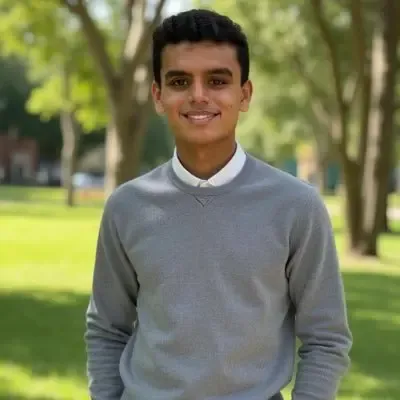
Vasant Bhatt , a 21-year-old political science student at the University of Houston , says Campus Reform ended his correspondent role on 24 October .
Bhatt had publicly disclosed voting for Democrat James Talarico over Republican Ken Paxton in Texas's US Senate race to protest anti-Indian bigotry.
Campus Reform has not commented; Bhatt's 'Senior Correspondent' profile has been removed from the site.
Suhag Shukla of the Hindu American Foundation linked far-right attacks on Bhatt to the climate preceding a foiled plot at a Hindu temple in Aurora, Illinois .
The case reflects broader tensions over anti-Indian rhetoric in American politics, including abuse targeting H-1B workers and Indian American candidates ahead of the November 3 midterms.
Vasant Bhatt, a 21-year-old Indian American student journalist at the University of Houston, says conservative higher-education outlet Campus Reform has terminated his correspondent role after he publicly disclosed voting for a Democrat in protest against anti-Indian bigotry. The case has emerged as a flashpoint in the intensifying debate over rising hostility towards Indian Americans within the American right.
What Bhatt Said
Bhatt announced the termination on Friday, 24 October, in a post on X. 'I exercised my constitutional right to vote according to my conscience, spoke out against anti-Indian bigotry, and refused to toe the Republican Party line. My participation in Campus Reform's correspondent program has now been terminated,' he wrote.
'Losing a place in a program will not make me retract my beliefs or abandon my community,' he added. Bhatt's author profile on the Campus Reform website — which had listed him as a 'Senior Correspondent' — no longer appears among the outlet's author listings. Campus Reform has not publicly commented on his claims.
The Vote That Triggered the Row
Bhatt drew wider attention earlier this month when he disclosed voting for Democrat James Talarico over Republican Ken Paxton in Texas's US Senate race, citing what he described as xenophobia and attacks on Indian Americans' identity. His Campus Reform biography had noted a prior internship with Senator Ted Cruz's re-election campaign and work with the Texas Youth Summit, described as one of the largest gatherings of young conservatives in the state — making his public break with the Republican establishment all the more notable.
Broader Anti-Indian Rhetoric in American Politics
Suhag Shukla, executive director of the Hindu American Foundation, criticised far-right attacks on Bhatt in a personal X post, linking them to the climate that reportedly preceded a foiled plot at a Hindu temple in Aurora, Illinois. Indian American lawmakers have said that anti-Indian rhetoric is increasingly spilling into real-world threats of violence, citing the Aurora temple plot as evidence.
The episode sits within a wider pattern of anti-Indian sentiment surfacing in American political discourse, including attacks on Indian American candidates ahead of the November 3 midterm elections and online abuse targeting Indian H-1B workers. Texas, home to one of the country's largest Indian American populations — concentrated in the Houston and Dallas-Fort Worth areas — has become a particular focus of that tension.
About Campus Reform and the Leadership Institute
Campus Reform is a project of the Leadership Institute, a conservative non-profit headquartered in Virginia that trains young political activists. The outlet covers higher education from a right-leaning perspective and relies on a nationwide network of student correspondents. It has yet to address Bhatt's account of events or explain the removal of his profile.
What Comes Next
Bhatt's case is drawing scrutiny over whether conservative media organisations apply ideological loyalty tests to student contributors — a question that could have implications for other Indian American journalists and activists navigating a politically polarised media landscape. With anti-Indian rhetoric reportedly intensifying ahead of the midterms, advocates say the pressure on Indian American community members to conform or stay silent is unlikely to ease soon.
Point of View
The case illustrates that anti-Indian sentiment on the American right is no longer a fringe irritant; with temple plots, H-1B attacks, and candidate targeting all cited in the same breath, the Indian American community's political allegiances in 2026 are genuinely in flux, and outlets that treat ideological conformity as non-negotiable may find that calculation costly.
NationPress
24 Oct 2026
Frequently Asked Questions
Who is Vasant Bhatt and why was he removed from Campus Reform?
Vasant Bhatt is a 21-year-old Indian American political science student at the University of Houston who served as a Senior Correspondent for Campus Reform. He says the outlet terminated his role after he publicly disclosed voting for Democrat James Talarico over Republican Ken Paxton in Texas's US Senate race to protest anti-Indian bigotry.
Has Campus Reform officially confirmed the termination?
Campus Reform has not publicly commented on Bhatt's claims. However, his 'Senior Correspondent' author profile has been removed from the outlet's website, consistent with his account.
What is Campus Reform and who runs it?
Campus Reform is a conservative higher-education outlet operated as a project of the Leadership Institute, a non-profit based in Virginia that trains young political activists. It relies on a student correspondent network across US campuses.
How does this case connect to the broader anti-Indian rhetoric debate in the US?
Bhatt's case is part of a wider pattern of hostility towards Indian Americans on the American right, including attacks on Indian American political candidates, abuse targeting H-1B visa holders, and a reportedly foiled plot at a Hindu temple in Aurora, Illinois. Advocates say the pressure on Indian Americans to conform to Republican orthodoxy or face backlash is intensifying ahead of the November 3 midterms.
What did the Hindu American Foundation say about the attacks on Bhatt?
Suhag Shukla, executive director of the Hindu American Foundation, criticised the far-right attacks on Bhatt in a personal X post, linking the hostile climate to conditions she said preceded the foiled plot at a Hindu temple in Aurora, Illinois.