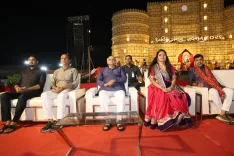
CM Manik Saha Joins Panchami Puja Parikrama at Shantikami Sangha
Synopsis
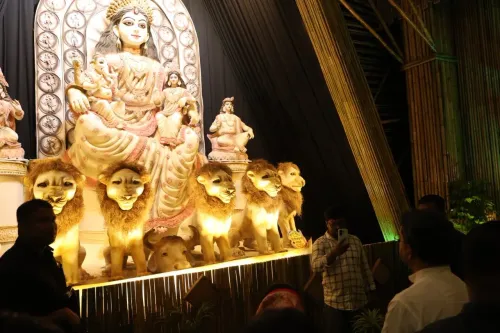
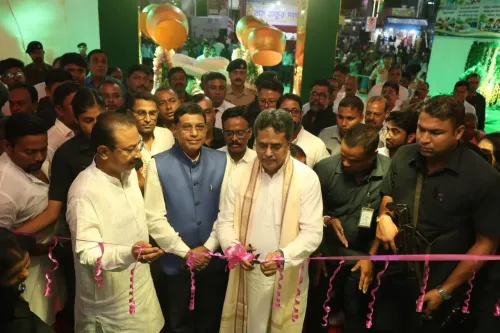
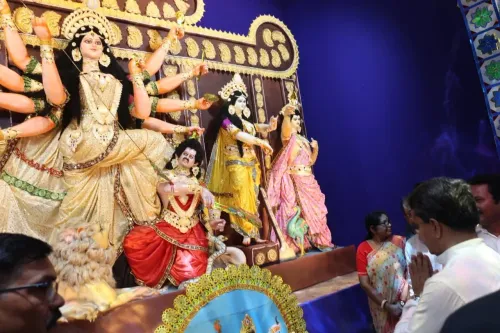
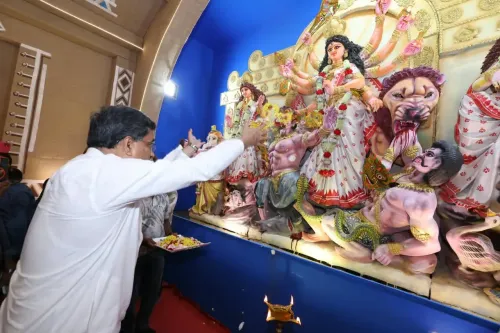
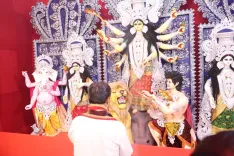
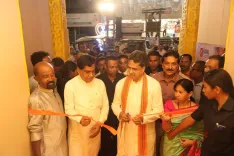
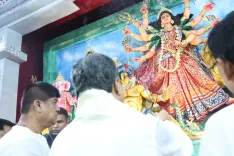
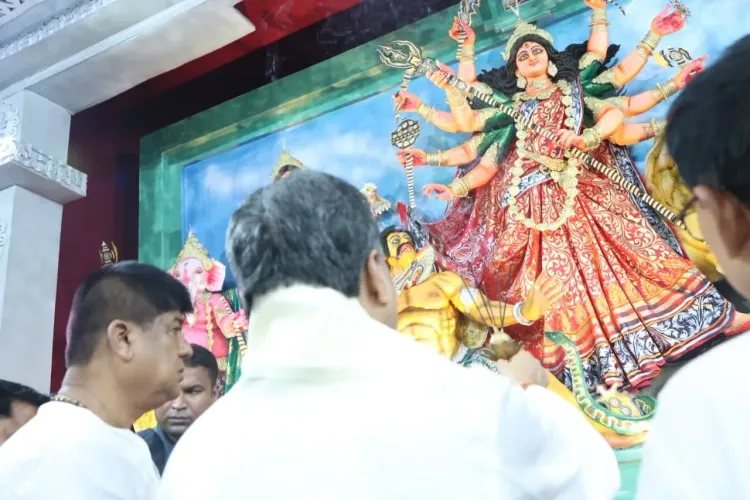
Tripura Chief Minister Dr. Manik Saha joined a Panchami evening puja parikrama at Shantikami Sangha, sharing photographs of the Durga Puja pandal visit on X and celebrating the festival alongside local communities.
Key Takeaways
Manik Saha , Chief Minister of Tripura, visited Shantikami Sangha on Panchami evening as part of a puja parikrama .
The visit was shared via 4 photographs on X, captioned in Bengali.
Panchami marks the opening phase of the Durga Puja celebrations, with pandals illuminated and the goddess's image unveiled.
Tripura's large Bengali-origin population observes Durga Puja as the state's foremost cultural festival.
Pandal visits by state leaders during Durga Puja are a longstanding tradition of public engagement across eastern India.
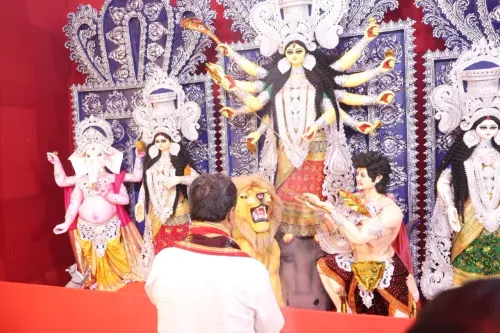
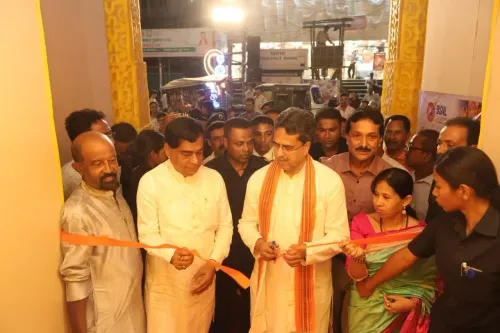
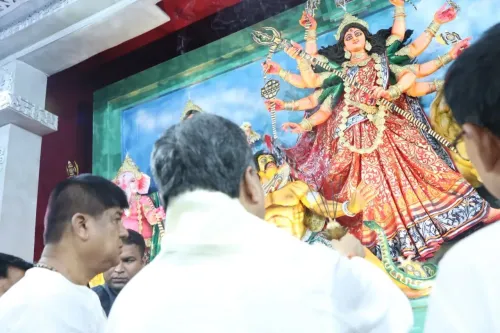
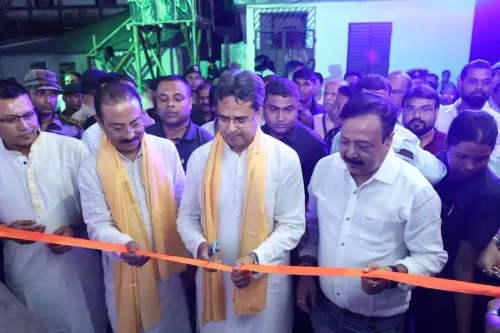
On the festive evening of Panchami, Tripura Chief Minister Dr. Manik Saha stepped out for a puja parikrama — a ritual tour of Durga Puja pandals — visiting Shantikami Sangha, joining thousands of devotees celebrating one of Bengal's most beloved festivals.
Dr. Saha shared photographs of the visit on X, captioning them in Bengali: 'পঞ্চমীর আনন্দঘন সন্ধ্যায় পূজা পরিক্রমায় - শান্তিকামী সংঘ' ('On the joyful evening of Panchami, on a puja parikrama — Shantikami Sangha').
Panchami Evening and the Pandal Circuit
Panchami — the fifth day of the lunar fortnight — marks the formal beginning of the Durga Puja countdown in many parts of Tripura and West Bengal, with the goddess's image ritually unveiled and illuminated pandals opening to the public. For state leaders, the puja parikrama is both a cultural ritual and a moment of public communion — a walk through neighbourhoods where the barriers between politics and community briefly dissolve. Tripura's significant Bengali-origin population has long observed Durga Puja as the year's defining celebration, and the festival draws participation across communities statewide.A Chief Minister Among Devotees
State leaders across India routinely join pandal visits during the festival season — a tradition that signals both personal participation in shared culture and an accessible, ground-level style of public engagement. Dr. Saha's visit to Shantikami Sangha fits squarely within that pattern: a Chief Minister not at a podium, but on foot, in the festive crowd. As Durga Puja builds toward its peak on Saptami, Ashtami, and Navami, evenings like Panchami carry their own quiet electricity — the anticipation before the crescendo.Point of View
Visible participation in the state's most emotive festival reinforces a narrative of rootedness. The choice of a neighbourhood-level organisation like Shantikami Sangha, rather than a large state-sponsored pandal, also signals a preference for grassroots optics over institutional ceremony — a subtle but deliberate distinction.
NationPress
16 Oct 2026
Frequently Asked Questions
Why did Tripura CM Manik Saha visit a Durga Puja pandal on Panchami?
Dr. Manik Saha conducted a puja parikrama — a traditional tour of Durga Puja pandals — on Panchami evening, visiting Shantikami Sangha as part of the ongoing Durga Puja festival season in Tripura.
What is Panchami in the context of Durga Puja?
Panchami is the fifth day of the Navratri lunar fortnight and traditionally marks the opening of Durga Puja festivities, when the goddess's idol is unveiled and illuminated pandals open to the public.
What is Shantikami Sangha?
Shantikami Sangha is a local community organisation in Tripura that organises Durga Puja celebrations, visited by Chief Minister Dr. Manik Saha during his Panchami pandal tour.
How significant is Durga Puja in Tripura?
Durga Puja is the foremost cultural celebration in Tripura, driven by the state's substantial Bengali-origin population, and is observed with large-scale community pandals, lighting, and processions across the state.
Do Indian Chief Ministers routinely visit Durga Puja pandals?
Yes. State leaders across eastern and northeastern India — particularly in states with large Bengali communities — regularly conduct puja parikramas during Durga Puja as a form of cultural participation and public outreach.