Should the Government Reverse the Recent Tax Increase on Tobacco Products?
Synopsis
FAIFA's recent appeal to the government highlights the urgent need to reconsider the substantial tax hike on tobacco products, arguing it endangers farmers and encourages illegal trade. Can the government act to protect domestic agriculture while maintaining public health?
Key Takeaways
FAIFA has called for a rollback of the tobacco tax hike.
Steep taxes could hurt farmer incomes and increase illegal trade.
Government assured revenue neutrality in prior GST discussions.
Legal tobacco prices are already low compared to global standards.
Public health and agriculture need to be balanced in policy-making.
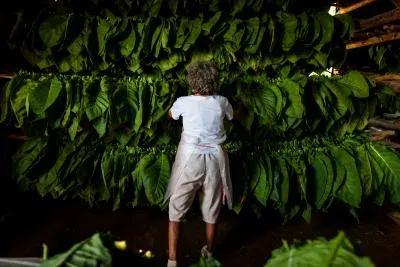
New Delhi, Jan 2 (NationPress) The Federation of All India Farmer Associations (FAIFA) has called upon the government to retract the newly announced excise duties on tobacco products and modify them to achieve revenue-neutral rates, aiming to deter smuggling and bolster domestic agriculture.
FAIFA emphasized that a consistent taxation structure is essential for maintaining farmer incomes, preserving jobs throughout the value chain, and aligning economic strategies with long-term public health objectives.
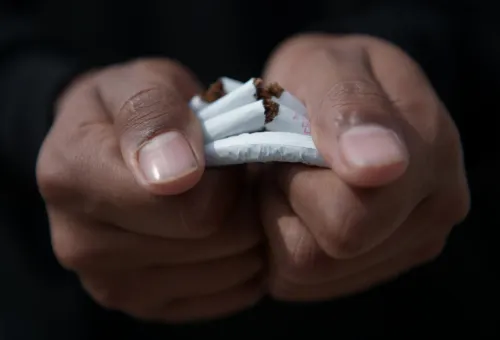
The Ministry of Finance's notification titled ‘Chewing Tobacco, Jarda Scented Tobacco and Gutkha Packing Machines (Capacity Determination and Collection of Duty) Rules, 2026’ has set an excise duty ranging from Rs 2,050 to Rs 8,500 for every 1,000 sticks, depending on the length of cigarettes, effective from February 1.
According to FAIFA, this significant tax increase will compel domestic producers to hike prices of end products, resulting in decreased sales and adversely affecting farmers' supplies, potentially leading to an oversupply in the tobacco market shortly.
“During the announcement of GST 2.0 on September 4, 2025, the government assured that for tobacco products, GST would be set at 40 percent of the retail sales price, while the overall tax burden would remain unchanged,” stated Murali Babu, President of FAIFA.
He added that the farming community across India has been relying on this promise of revenue neutrality and welcomed the government's initiative to rationalize GST by adjusting rates and eliminating the 12 percent slab, which contributed to price reductions.
FAIFA leaders appealed to the government, stating that the prices of legal cigarettes in India are already among the least affordable worldwide when assessed against per capita income, as indicated by the World Health Organization's affordability index.
This current steep increase will render legal products inaccessible for a vast number of consumers, prompting a shift towards illegal channels, they argued. FAIFA urged the government to ensure that taxation policies do not penalize those who have consistently adhered to the law.
Point of View
It is crucial to recognize both the economic implications and public health considerations surrounding tobacco taxation. While FAIFA raises valid concerns about farmer livelihoods and illegal trade, the government must also prioritize public health initiatives. A balanced approach is necessary to ensure sustainability in both agriculture and health policy.
NationPress
30 Sept 2026
Frequently Asked Questions
What is the recent tax hike on tobacco products?
The government's new excise duty on tobacco products ranges from Rs 2,050 to Rs 8,500 per 1,000 sticks, effective February 1.
Why is FAIFA urging a rollback of the tax hike?
FAIFA believes the hike will lead to increased prices for consumers, decreased sales, and negatively impact farmers' incomes.
What did the government promise regarding GST on tobacco?
The government assured that GST on tobacco products would be set at 40% of the retail sales price, maintaining overall tax incidence.
How does the price of legal cigarettes in India compare globally?
Legal cigarette prices in India are among the least affordable worldwide, according to the WHO's affordability index.
What are the potential consequences of the tax increase?
The steep tax increase could lead to a shift towards illegal tobacco markets, harming both consumers and the agricultural sector.