White House Hypes FIFA World Cup 2026 Summer Run
Synopsis
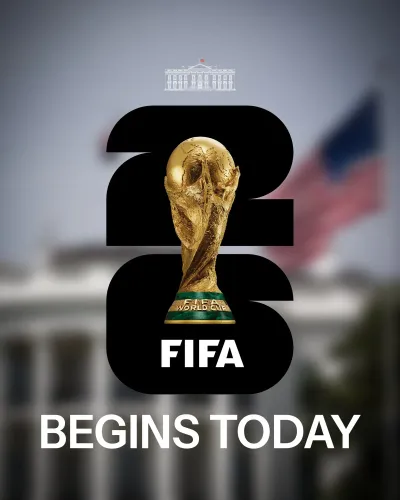
The White House posted a brief patriotic message on 8 June 2026 — 'ALL SUMMER LONG' — signalling federal enthusiasm for the FIFA World Cup 2026, co-hosted by the United States, Canada, and Mexico, with opening matches beginning 11 June.
Key Takeaways
The White House posted 'ALL SUMMER LONG' on 8 June 2026 , days before the FIFA World Cup 2026 kicks off.
The 2026 FIFA World Cup is co-hosted by the United States , Canada , and Mexico — the first three-nation co-hosting in tournament history.
Hosting rights were awarded by FIFA in 2018 following a unified North American bid.
Opening matches are scheduled to begin on 11 June 2026 , with the tournament running through July 2026 .
The post reflects a broader pattern of the White House aligning federal messaging with major international sporting events for national branding and economic impact.
Key stakeholders include host cities , the tourism industry , and millions of domestic and international sports fans .
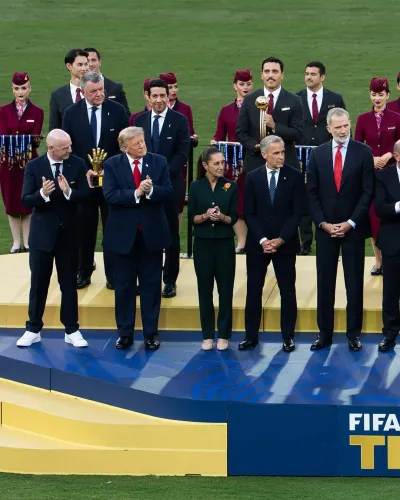
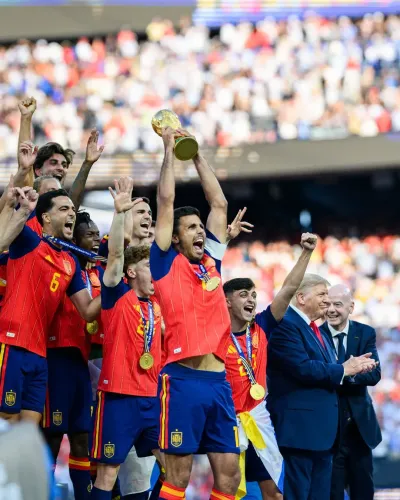
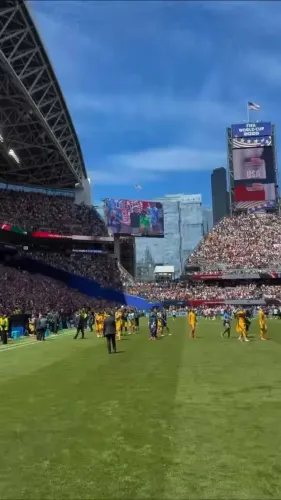
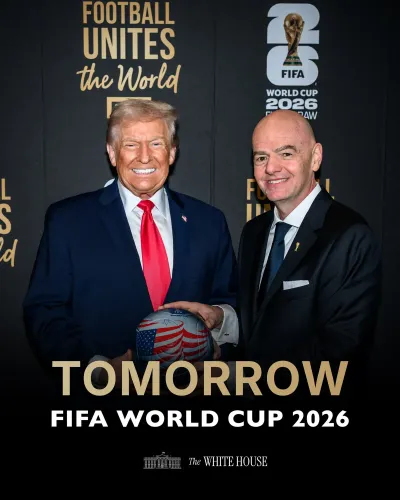
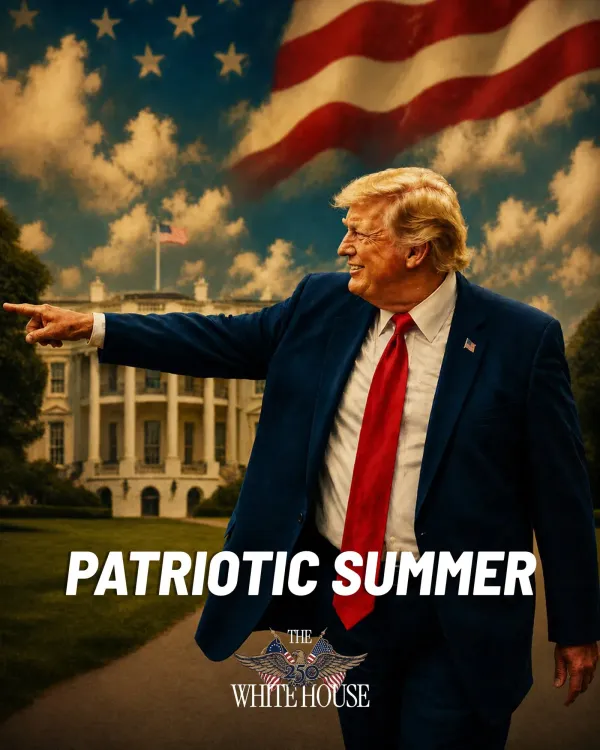
The White House, the official communications account of the Executive Office of the President of the United States, posted a patriotic rallying call on Monday, 8 June 2026, declaring 'ALL SUMMER LONG' alongside the American flag emoji — a clear nod to the FIFA World Cup 2026 now under way on home soil.
Context
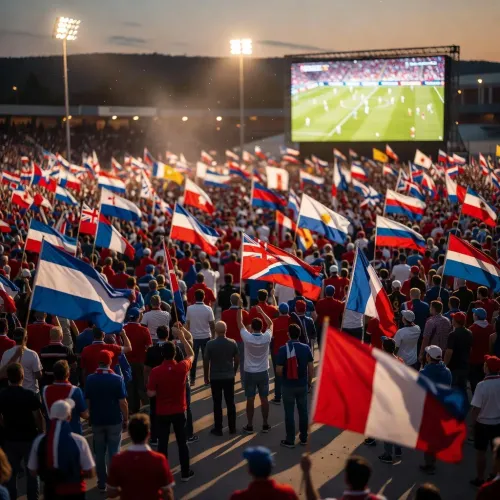
The short but pointed post arrives just days before the tournament's opening matches, scheduled to begin on 11 June 2026. The United States is co-hosting the 2026 FIFA World Cup alongside Canada and Mexico, with games spread across multiple American cities through July. The White House's post signals federal-level enthusiasm for an event that is already generating significant public attention across the country and internationally.
Policy Backdrop
In 2018, FIFA awarded the joint hosting rights for the 2026 World Cup to the United States, Canada, and Mexico following a unified bid process — the first time three nations have co-hosted the tournament. The United States has since positioned itself as a hub for large-scale international sporting events in the mid-2020s, with federal messaging frequently aligning with national branding, tourism promotion, and economic impact goals. Hosting the World Cup is projected to bring substantial revenue to American host cities through tourism, hospitality, and infrastructure investment.
The White House's engagement with the tournament — even in a brief social media post — reflects a broader pattern of the executive office lending its platform to events seen as moments of national pride and soft-power projection on the global stage.
Stakeholders and Impact
The immediate beneficiaries of the World Cup's arrival in the United States are the host cities, the tourism and hospitality industry, and millions of sports fans both domestic and international. For Indian football fans, the tournament carries particular interest as the global game's biggest stage returns to North America for the first time since 1994. The co-hosting arrangement with Canada and Mexico also underscores the regional integration of major sporting infrastructure across North America.
The White House's public messaging around the event is likely to continue through the summer, with federal agencies involved in security coordination, visa facilitation for visiting fans, and public diplomacy efforts tied to the tournament's international footprint.
What's Next
With opening matches set for 11 June 2026, attention will turn to how federal and local governments coordinate on security, infrastructure readiness, and visitor experience. Any further statements from the White House or senior administration officials on the tournament — including potential appearances at high-profile matches — will be closely watched as indicators of how deeply the executive branch intends to associate itself with the event's success. The World Cup runs through July 2026, giving the administration a full summer of high-visibility engagement opportunities on an unmistakably global stage.
Point of View
Patriotic enough to resonate broadly, and timed to ride the wave of pre-tournament excitement. It fits a well-established pattern of executive-office social media use: lending institutional prestige to events that carry national pride without committing to a specific policy position. For a global audience, including the large Indian football-watching community, the post underscores how the United States intends to use the World Cup as a summer-long platform for national image projection. The real test will be whether the federal government's visible enthusiasm translates into seamless on-ground delivery for the millions of fans descending on American cities.
NationPress
19 Sept 2026
Frequently Asked Questions
Where is the FIFA World Cup 2026 being held?
The FIFA World Cup 2026 is being co-hosted by the United States , Canada , and Mexico , with matches played across multiple cities in all three countries.
When does the FIFA World Cup 2026 start?
Opening matches for the FIFA World Cup 2026 are scheduled to begin on 11 June 2026 , with the tournament running through July 2026 .
Why did the White House post about the FIFA World Cup 2026?
The White House posted 'ALL SUMMER LONG' on 8 June 2026 as a show of federal-level enthusiasm for the tournament, which the United States is co-hosting — reflecting a broader strategy of aligning executive messaging with major international events.
How did the USA get to host the 2026 FIFA World Cup?
In 2018 , FIFA awarded hosting rights to a unified bid from the United States , Canada , and Mexico , making it the first World Cup to be co-hosted by three nations.
What is the economic impact of the FIFA World Cup 2026 on the United States?
Hosting the 2026 FIFA World Cup is projected to bring significant revenue to American host cities through tourism, hospitality spending, and infrastructure investment, though precise figures are subject to ongoing economic assessments.