CM Chandrababu Writes to Nirmala on GST, Aqua Relief

Synopsis
Andhra Pradesh CM Chandrababu Naidu has written to Finance Minister Nirmala Sitharaman seeking GST cuts on aquaculture aerators and unprocessed tobacco, a Rs 100-crore NFDB marketing fund, a Rs 5-lakh KCC top-up, and central intervention on post-India-US trade deal tariff uncertainty.
Key Takeaways
CM Naidu formally wrote to Finance Minister Sitharaman on 20 July 2026 with a multi-point aquaculture and agriculture relief package.
He requested a reduction in GST on aquaculture aerators from 18 percent to 5 percent to lower operational costs for shrimp farmers.
A one-time Kisan Credit Card top-up of up to Rs 5 lakh for aquaculture farmers was sought to ease credit access.
The CM asked for a Rs 100-crore corpus fund via NFDB to support domestic fisheries marketing and value-added shrimp exports.
He flagged continuing legal uncertainty on aqua import tariffs even after the India-US trade agreement reduced duties to 10 percent.
A cut in GST on unprocessed tobacco (HSN 2401) from 40 percent to 28 percent was also requested, benefiting AP's tobacco-farming communities.
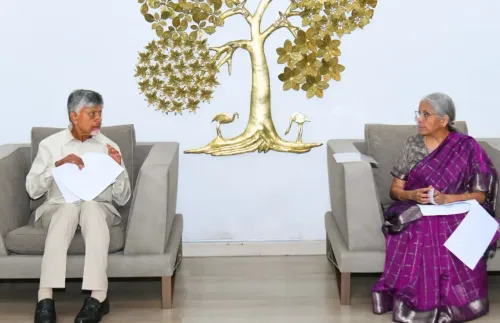
Andhra Pradesh Chief Minister N. Chandrababu Naidu wrote to Union Finance Minister Nirmala Sitharaman on Monday, 20 July 2026, urging the Centre to reduce the GST on aquaculture aerators from 18 percent to 5 percent, extend a one-time top-up on Kisan Credit Cards, and create a dedicated corpus fund for domestic fisheries marketing — in a wide-ranging letter covering aquaculture, shrimp exports, and tobacco taxation.
Context
The Chief Minister's Office of Andhra Pradesh shared the letter's contents on 20 July 2026, stating that CM Naidu has formally requested Finance Minister Sitharaman to rationalise taxes on inputs critical to the state's aquaculture economy. The letter also flags ongoing legal uncertainty in the sector even after the India-US trade agreement brought down tariffs on aqua imports to 10 percent, and calls for central intervention to resolve the tariff crisis.
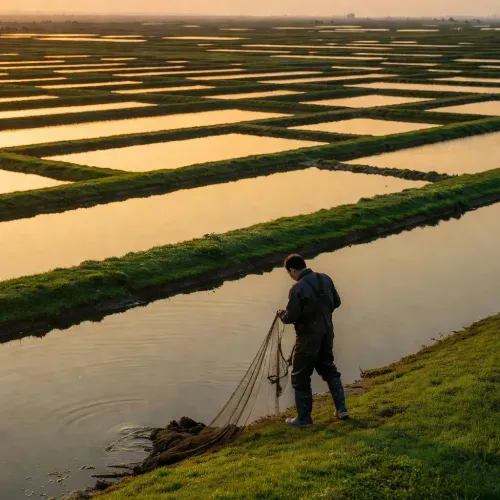
Andhra Pradesh is India's largest shrimp-producing state, and aquaculture aerators — devices that oxygenate water in prawn ponds — are an essential and recurring operational cost for farmers. The current 18 percent GST on these machines has long been a grievance for the sector.
Policy Backdrop
When GST was rolled out in 2017, most agricultural machinery and aquaculture equipment was placed in the 18 percent slab. The GST Council has reviewed agricultural input rates in several meetings between 2018 and 2024, following representations from multiple states, but aerators have not yet seen a rate cut. CM Naidu's letter is the latest in a continuing pattern of state governments seeking GST relief on production inputs to improve the competitiveness of export-oriented sectors.
The Pradhan Mantri Matsya Sampada Yojana, launched in 2020, extended central support for fisheries infrastructure and value addition, but stakeholders argue that high input taxes undercut the scheme's intent. The CM's letter seeks to align GST policy with the broader thrust of that programme.
Stakeholders and Impact
CM Naidu's letter covers several distinct demands. He requested a one-time top-up of up to Rs 5 lakh on the Kisan Credit Card for aquaculture farmers, and the creation of a Rs 100-crore corpus fund through the National Fisheries Development Board (NFDB) for domestic marketing support. He also urged the Centre to provide subsidies and capacity-building support to boost value-added shrimp exports.
On a separate front, the CM asked that GST on unprocessed tobacco (HSN code 2401) be reduced from 40 percent to 28 percent — a demand that reflects the interests of Andhra Pradesh's tobacco-farming belt, which employs a significant rural workforce. Shrimp exporters, aquaculture farmers, and tobacco growers are the primary stakeholders who stand to benefit if the Centre accepts these recommendations.
What's Next
The letter's demands will likely be taken up at the next GST Council meeting, where state finance ministers and the Union Finance Minister deliberate on rate changes. Any revision to the Kisan Credit Card top-up or the NFDB corpus fund would require action through the Union Budget process or a separate cabinet decision.
If the Centre acts on even a subset of these requests — particularly the aerator GST cut and the KCC top-up — it could meaningfully reduce the cost of shrimp farming in Andhra Pradesh and strengthen the state's position in global seafood markets at a time when bilateral trade arrangements are reshaping export dynamics.
Point of View
Maximising pressure ahead of the next GST Council meeting. The inclusion of tobacco alongside aquaculture signals that the CM is balancing the interests of two of Andhra Pradesh's most politically sensitive rural constituencies in a single stroke. The tariff-uncertainty argument tied to the India-US trade agreement adds an urgency framing that is harder for the Centre to deflect. If even partial relief is granted, it would strengthen Naidu's standing with both the fishing and farming communities in a state where his government is still consolidating its electoral mandate.
NationPress
21 Jul 2026
Frequently Asked Questions
Why is CM Chandrababu Naidu asking for a GST cut on aquaculture aerators?
CM Naidu argues that the current 18 percent GST on aquaculture aerators raises the operational cost of shrimp farming in Andhra Pradesh, making Indian exports less competitive globally. He has asked Finance Minister Sitharaman to reduce the rate to 5 percent.
What is the India-US trade agreement's impact on Andhra Pradesh's aquaculture sector?
The India-US trade agreement lowered tariffs on aqua imports to 10 percent, but CM Naidu's letter states that legal uncertainty around the arrangement continues to affect the sector, and he has asked the Centre to intervene and provide clarity.
What is the Rs 100-crore NFDB corpus fund requested by CM Naidu?
CM Naidu has requested the Centre to establish a Rs 100-crore corpus fund through the National Fisheries Development Board (NFDB) specifically to support domestic marketing of fisheries products and help shrimp farmers access new markets within India.
What did CM Naidu request regarding the Kisan Credit Card for fish farmers?
He requested a one-time top-up of up to Rs 5 lakh on Kisan Credit Cards for aquaculture farmers, which would give them additional working capital to manage pond operations, feed costs, and equipment purchases.
Why does Andhra Pradesh want GST on unprocessed tobacco reduced?
Andhra Pradesh is a major tobacco-growing state, and the CM has requested that GST on unprocessed tobacco under HSN code 2401 be cut from 40 percent to 28 percent to reduce the tax burden on farmers who grow raw tobacco leaf.