Puri, Gadkari launch Maruti Suzuki WagonR Flex Fuel in Delhi
Synopsis
Union Petroleum Minister Hardeep Singh Puri and Union Road Transport Minister Nitin Gadkari launched the Maruti Suzuki WagonR Flex Fuel in New Delhi on 4 June 2026, advancing India's ethanol blending and flex-fuel mobility agenda anchored in the National Policy on Biofuels.
Key Takeaways
Hardeep Singh Puri and Nitin Gadkari jointly launched the Maruti Suzuki WagonR Flex Fuel in New Delhi on 4 June 2026.
The launch advances India's flex-fuel push under the National Policy on Biofuels, 2018.
The government advanced the E20 ethanol blending target to 2025 from 2030 in a 2022 decision.
The WagonR is among India's highest-selling small cars, broadening flex-fuel access to mass-market buyers.
Stakeholders include auto manufacturers, ethanol producers and oil marketing companies.
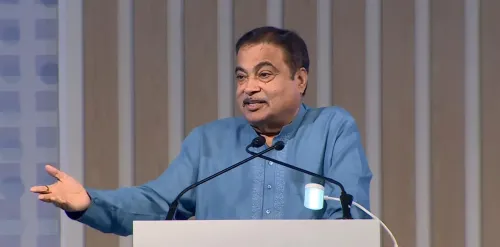
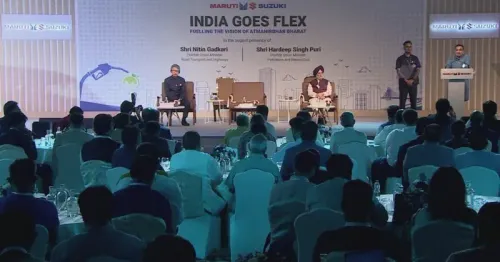
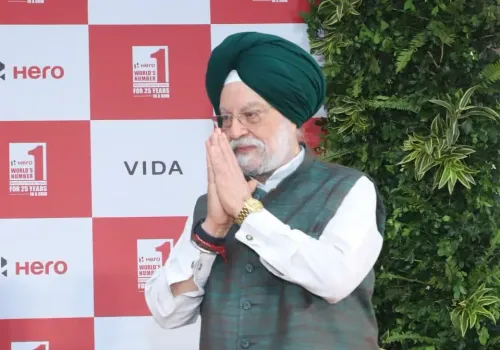
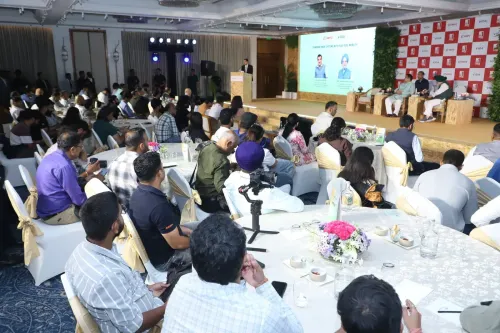
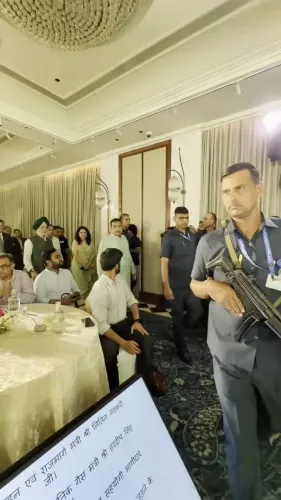
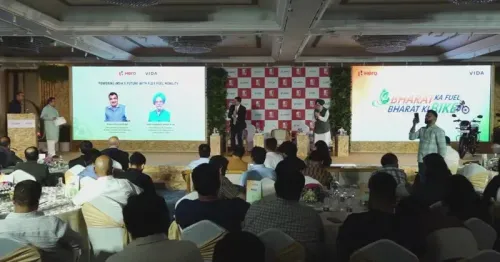
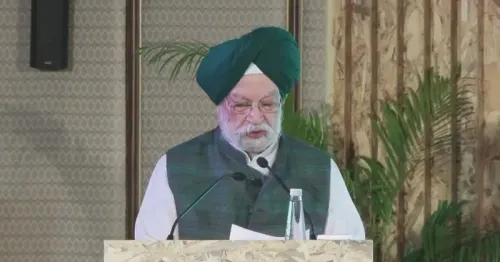
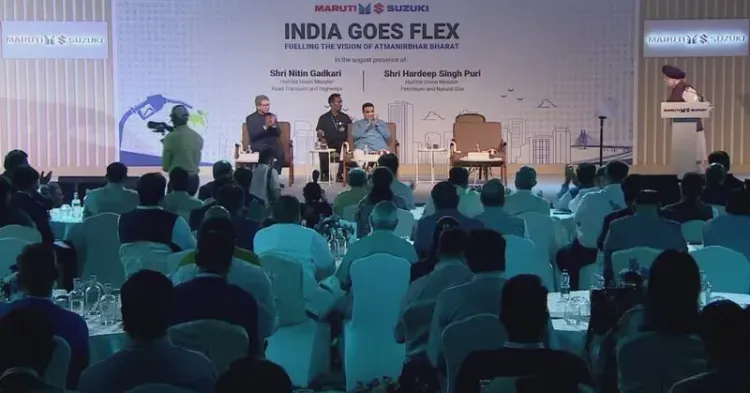
Union Petroleum Minister Hardeep Singh Puri on 4 June 2026 joined Union Road Transport and Highways Minister Nitin Gadkari in New Delhi to launch the Maruti Suzuki WagonR Flex Fuel, marking another step in the central government's push to mainstream ethanol-blended and flex-fuel mobility. Puri shared the moment on X, describing the event as a joint outing with his senior Cabinet colleague.
'At the launch of Maruti Suzuki WagonR Flex Fuel in New Delhi with my senior Cabinet colleague Sh Nitin Gadkari Ji,' the minister wrote in his post, which was accompanied by a livestream link and a photograph from the venue.
Context
The WagonR is one of India's highest-selling small cars, and a flex-fuel variant of the model is intended to expand consumer access to vehicles that can run on higher ethanol blends. Maruti Suzuki India, the country's largest passenger vehicle manufacturer, has been working with the central government on biofuel-compatible technologies as policy targets accelerate.
The joint appearance of Puri and Gadkari reflects the inter-ministerial coordination that has underpinned India's flex-fuel push. The petroleum ministry oversees fuel supply and blending mandates, while the road transport ministry handles vehicle norms and type approvals.
Policy backdrop
India's flex-fuel drive sits within the National Policy on Biofuels, 2018, which laid the framework for scaling up ethanol and other biofuels to reduce crude oil import dependence and support farm incomes. In 2022, the government advanced the E20 ethanol blending target to 2025, five years ahead of the original 2030 deadline.
Flex-fuel vehicles, which can operate on petrol blended with significantly higher proportions of ethanol, are seen as the logical next step beyond E20. Gadkari has been among the most vocal champions of the technology, urging carmakers to roll out compatible models.
Stakeholders and impact
The launch matters for several constituencies. For auto manufacturers, it signals that mass-market models — not just premium nameplates — are being engineered for higher ethanol blends. For ethanol producers, including sugar mills and grain-based distilleries, it underscores a long-term demand pipeline.
For oil marketing companies, the proliferation of flex-fuel vehicles will require expansion of dispensing infrastructure capable of handling higher-blend fuels at retail outlets. For consumers, the key questions will be on-road fuel availability, pricing parity with conventional petrol, and resale value.
What's next
Attention will turn to commercial availability and sales uptake of flex-fuel models, alongside any fiscal incentives that may be considered to bridge the cost gap with conventional variants. The pace at which oil marketing companies roll out higher-blend dispensing points will also shape adoption.
For the government, the WagonR Flex Fuel launch offers a visible marker of progress on a policy arc that links energy security, agricultural value addition and transport-sector decarbonisation — three priorities that have remained constant across successive Union Budgets.
Point of View
Farm economics and emissions policy have become a single, tightly coordinated arc. The next test is whether retail fuel availability and pricing can keep pace with vehicle rollouts.
NationPress
20 Sept 2026
Frequently Asked Questions
What is the Maruti Suzuki WagonR Flex Fuel?
It is a flex-fuel variant of Maruti Suzuki's WagonR small car, capable of running on petrol blended with higher proportions of ethanol. It was launched in New Delhi on 4 June 2026.
Who launched the WagonR Flex Fuel?
Union Petroleum Minister Hardeep Singh Puri and Union Road Transport and Highways Minister Nitin Gadkari jointly launched the vehicle in New Delhi.
What is India's E20 ethanol blending target?
E20 refers to petrol blended with 20 percent ethanol. The government in 2022 advanced the target year to 2025 from the original timeline of 2030.
What is the National Policy on Biofuels?
It is a 2018 framework that promotes ethanol and other biofuels in India to reduce crude oil import dependence, cut emissions and support farm incomes.
Why are flex-fuel vehicles important for India?
They allow vehicles to run on higher ethanol blends, linking agricultural output with energy security and helping reduce transport-sector emissions and oil import bills.