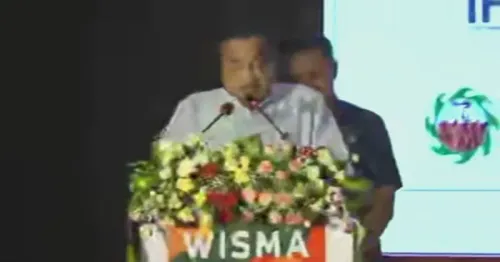
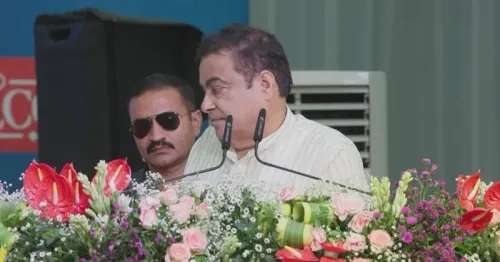
Gadkari Tours Satara, Pune to Push Green Fuel Drive
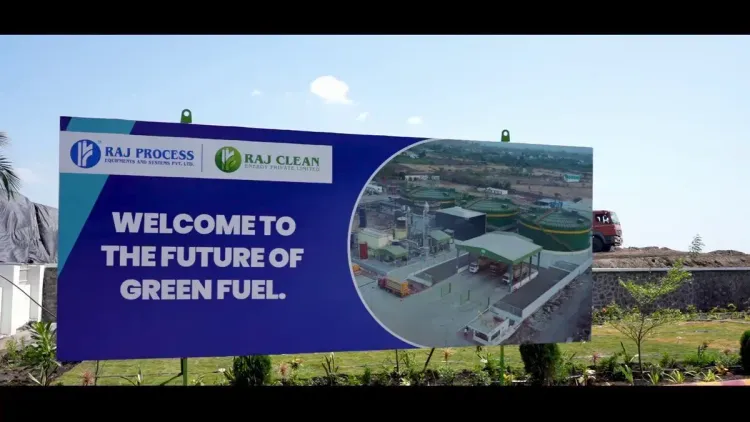
Synopsis
Union Minister Nitin Gadkari toured Satara and Pune on 30 May 2026 under the GreenFuel banner, reinforcing the ministry's drive to link Maharashtra's highway corridors with ethanol, flex-fuel, and green hydrogen initiatives and reduce India's crude-oil import dependency.
Key Takeaways
Union Minister Nitin Gadkari conducted a district tour of Satara and Pune on 30 May 2026 , documented on video.
The visit was explicitly tagged under #GreenFuel , signalling a focus on alternative-fuel adoption rather than routine road inspection.
The National Policy on Biofuels, 2018 set a 20 percent ethanol blending target that underpins the ministry's current green fuel agenda.
Satara's agricultural base supports sugarcane-derived ethanol supply, while Pune's auto clusters are central to flex-fuel and green hydrogen vehicle rollout.
Key stakeholders include farmers , auto manufacturers , and fuel retailers across western Maharashtra.
State-level biofuel plant MoUs and parliamentary follow-up on the ethanol blending roadmap are the near-term indicators to watch.
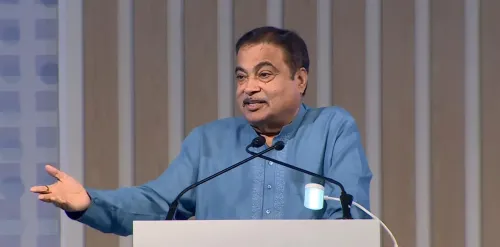
Union Road Transport and Highways Minister Nitin Gadkari on Saturday, 30 May 2026 undertook a district tour covering Satara and Pune in Maharashtra, focusing on the ministry's green fuel agenda under the #GreenFuel initiative. The visit, documented on video and shared on his official social media handle, underlines the minister's continuing push to tie highway development in western Maharashtra to alternative-fuel adoption.
Context
Gadkari's post — captioned 'सातारा आणि पुणे जिल्हा दौरा' (Satara and Pune district tour) — is part of a pattern of state-level visits the minister uses to spotlight central government schemes on biofuels and green mobility. The hashtags #GreenFuel, #Satara, and #Pune signal that the tour was framed explicitly around fuel diversification rather than routine road-inspection work. A video was shared alongside the post, indicating on-ground engagements during the visit.
Policy Backdrop
The green fuel push traces its roots to the National Policy on Biofuels, 2018, which set a target of 20 percent ethanol blending in petrol and promoted methanol, green hydrogen, and flex-fuel pathways for road transport. Between 2021 and 2023, the Ministry of Road Transport and Highways issued a series of advisories and pilot project orders for flex-fuel vehicles and green hydrogen corridors across major highway networks. Gadkari has consistently positioned these measures as tools to reduce India's dependence on crude-oil imports and to help meet national emission-reduction commitments.
Satara and Pune sit at a strategic intersection for this agenda. Satara's strong agricultural base makes it a natural candidate for sugarcane-derived ethanol supply chains, while Pune's dense auto-manufacturing clusters — home to several two-wheeler and passenger-vehicle makers — are critical to the rollout of flex-fuel and alternative-fuel vehicles at scale.
Stakeholders and Impact
Three groups stand to be most directly affected by the green fuel push in this corridor: farmers in Satara and surrounding western Maharashtra districts who can benefit from procurement of sugarcane and other feedstocks for ethanol production; automobile manufacturers based in the Pune region who face regulatory and market pressure to accelerate flex-fuel and green-hydrogen vehicle lines; and fuel retailers who will need to upgrade dispensing infrastructure to handle blended and alternative fuels. District-level ministerial visits have historically preceded formal memoranda of understanding between state governments, oil marketing companies, and private investors for biofuel plant capacity.
For ordinary commuters and transport operators on the Mumbai–Pune–Bengaluru highway corridor, a successful green fuel transition along this route could translate into lower fuel costs and reduced vehicular emissions over the medium term.
What's Next
Observers will watch for state-level agreements between the Maharashtra government and central agencies on new biofuel plant installations in western Maharashtra, as well as any follow-up parliamentary questions on the progress of the 20 percent ethanol blending roadmap. Gadkari's track record of using district tours to precede formal project announcements means this visit could foreshadow infrastructure or fuel-policy decisions for the Satara–Pune belt. The ministry's green hydrogen corridor plans for national highways passing through Maharashtra remain a longer-term variable to monitor.
Point of View
With its sugar-belt economy and Pune's auto-manufacturing weight, is arguably the most consequential proving ground for India's ethanol and flex-fuel ambitions outside Uttar Pradesh. The visit fits a broader arc in which the ministry has sought to demonstrate that green fuel adoption is not a Delhi-centric policy exercise but a ground-level, district-by-district transition. Whether formal project announcements follow will determine whether this tour is a precursor to policy action or primarily a visibility exercise.
NationPress
14 Oct 2026
Frequently Asked Questions
Why did Nitin Gadkari visit Satara and Pune in May 2026?
Gadkari visited Satara and Pune on 30 May 2026 as part of the ministry's GreenFuel initiative, aimed at promoting ethanol blending, flex-fuel vehicles, and green hydrogen adoption along Maharashtra's highway corridors.
What is the GreenFuel initiative by the Ministry of Road Transport?
GreenFuel is an umbrella term used by the Ministry of Road Transport and Highways for programmes promoting ethanol, methanol, green hydrogen, and flex-fuel technologies in road transport, aligned with the National Policy on Biofuels, 2018.
What is India's ethanol blending target for petrol?
India's National Policy on Biofuels, 2018 set a target of 20 percent ethanol blending in petrol, and the Ministry of Road Transport and Highways has issued multiple advisories and pilot projects to advance this goal.
How does Satara fit into India's biofuel plans?
Satara is a major sugarcane-growing district in Maharashtra, making it a key feedstock source for ethanol production, which is central to the government's fuel-blending and import-reduction strategy.
What role does Pune play in India's green fuel and electric vehicle push?
Pune hosts several major automobile manufacturers and is a hub for two-wheeler and passenger-vehicle production, making it critical for scaling up flex-fuel, green hydrogen, and alternative-fuel vehicle lines in India.