Gadkari Launches Hero MotoCorp's First Flex-Fuel Motorcycle in Delhi
Synopsis
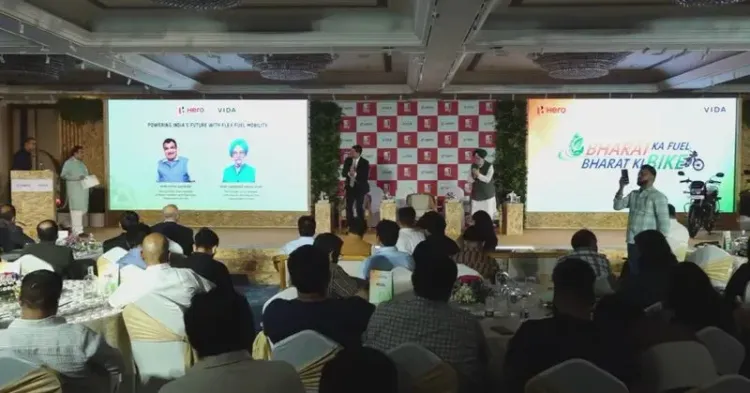
Union Road Transport and Highways Minister Nitin Gadkari launched Hero MotoCorp's first flex-fuel motorcycle in New Delhi on 3 June 2026, marking the country's largest two-wheeler maker's entry into ethanol-compatible mobility and reinforcing the Centre's biofuel push under the National Policy on Biofuels and the accelerated E20 blending target.
Key Takeaways
Nitin Gadkari launched Hero MotoCorp's first flex-fuel motorcycle in New Delhi on 3 June 2026.
The model marks India's largest two-wheeler maker's entry into ethanol-compatible mobility.
Flex-fuel vehicles can run on petrol-ethanol blends, typically up to E85.
The launch aligns with the National Policy on Biofuels, 2018, and the advanced E20 target of 2025.
India imports over 85 percent of its crude oil, driving the biofuel push.
Pricing, rollout timeline and retail ethanol availability will shape adoption.
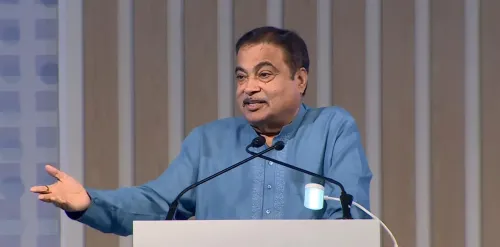
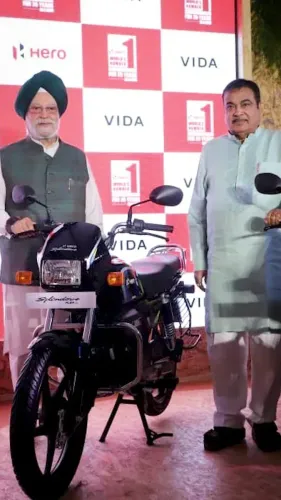
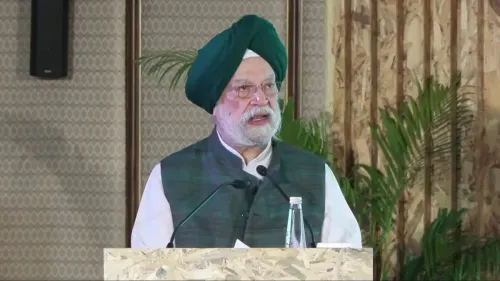
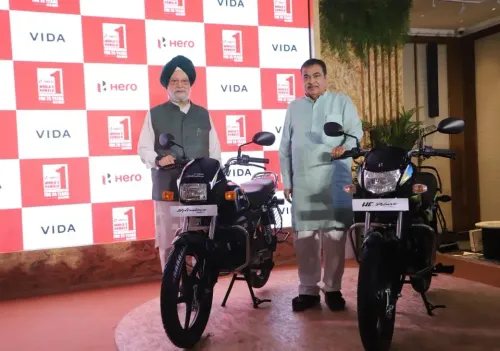
Union Road Transport and Highways Minister Nitin Gadkari on 3 June 2026 launched Hero MotoCorp's first flex-fuel motorcycle at an event in New Delhi. Announcing the rollout on X, the minister framed the launch as another milestone in India's push to expand ethanol-blended mobility across the two-wheeler segment.
In his post, Gadkari wrote 'New Delhi | Launching Hero MotoCorp's First Flex Fuel Motorcycle', accompanied by a livestream link of the unveiling. The launch marks the entry of India's largest two-wheeler manufacturer into the flex-fuel category, joining a small but expanding line-up of vehicles certified to run on higher ethanol-petrol blends.
Context
Flex-fuel vehicles are engineered to operate on a range of petrol-ethanol mixtures, typically up to E85, allowing motorists to switch between blends depending on fuel availability. The technology is well established in markets such as Brazil and the United States, and Indian regulators have been working with original equipment manufacturers (OEMs) to adapt engines, fuel lines and electronic management systems for domestic conditions.
For Hero MotoCorp, which sells the largest volume of motorcycles in the country, a flex-fuel model signals a strategic bet that ethanol-compatible two-wheelers can scale beyond pilot launches. Mass-market adoption in the commuter motorcycle segment would significantly widen the addressable base for ethanol blending in India.
Policy backdrop
The launch sits within the lineage of the National Policy on Biofuels, notified in 2018, which set the framework for expanding ethanol production and blending to cut crude oil imports and support farmers in sugarcane-growing states. In 2021-22, the Centre advanced the E20 ethanol-blending target from 2030 to 2025 and opened consultations with auto manufacturers on flex-fuel compatibility.
Gadkari has been among the most vocal advocates of alternative fuels in the Union Cabinet, regularly using ministry platforms and public events to nudge OEMs toward ethanol, hydrogen and electric powertrains. The Road Transport Ministry has paired regulatory signals with high-visibility launches to accelerate the shift in both passenger cars and two-wheelers.
Stakeholders and impact
India imports more than 85 percent of its crude oil demand, and the government has positioned biofuels as a way to reduce that exposure while supporting rural incomes. Ethanol producers, sugar mills and grain-based distilleries stand to benefit from sustained demand growth, while two-wheeler OEMs face the engineering challenge of building affordable engines that remain reliable across blend ratios.
Consumers, particularly in the commuter motorcycle segment, will weigh fuel economy, maintenance and resale value before adopting flex-fuel variants. Pump-level availability of higher ethanol blends remains uneven across states, and the pace of retail rollout will shape early uptake.
What's next
Attention now turns to Hero MotoCorp's pricing, rollout timeline and dealer network strategy for the new model, as well as to whether rival manufacturers will follow with their own flex-fuel motorcycles. State-level ethanol production capacity targets for 2025-26 and the expansion of higher-blend retail outlets will determine how quickly the segment moves from launch event to mass-market reality.
If flex-fuel motorcycles gain traction in India's largest vehicle category by volume, the launch could mark an inflection point in the country's effort to diversify transport fuels and trim its oil import bill.
Point of View
Not the passenger car, is where blending economics and import-substitution gains will be decided. The bigger test, however, lies downstream: retail availability of higher ethanol blends and competitive pricing of flex-fuel variants. Without both, launches risk remaining symbolic milestones rather than inflection points.
NationPress
19 Sept 2026
Frequently Asked Questions
What did Nitin Gadkari launch in New Delhi on 3 June 2026?
Union Road Transport and Highways Minister Nitin Gadkari launched Hero MotoCorp's first flex-fuel motorcycle at an event in New Delhi on 3 June 2026.
What is a flex-fuel motorcycle?
A flex-fuel motorcycle is engineered to run on varying blends of petrol and ethanol, typically up to E85, with engine and fuel-system components adapted to handle the different mixtures.
Why is the Indian government pushing ethanol blending?
The Centre is pushing ethanol blending to cut India's crude oil import bill, which exceeds 85 percent of demand, support farmers in sugarcane-growing states, and meet emission commitments under the National Policy on Biofuels, 2018.
What is India's E20 ethanol blending target?
India's E20 target requires 20 percent ethanol blending in petrol, and the deadline was advanced from 2030 to 2025 during 2021-22 along with consultations on flex-fuel vehicle compatibility.
Will other two-wheeler makers also launch flex-fuel models?
Hero MotoCorp's launch is expected to prompt other manufacturers to consider flex-fuel variants, though specific announcements from rivals will depend on engineering readiness and retail ethanol availability.