Gadkari Launches Maruti Suzuki's First Flex Fuel Car in Delhi

Synopsis
Union Road Transport and Highways Minister Nitin Gadkari launched Maruti Suzuki's first flex fuel car in New Delhi, marking the country's largest carmaker's entry into ethanol-compatible vehicles and reinforcing the Centre's push to cut crude imports while boosting demand for sugarcane-based biofuels.
Key Takeaways
Nitin Gadkari launched Maruti Suzuki's first flex fuel passenger vehicle in New Delhi.
Flex fuel vehicles can run on petrol blended with high proportions of ethanol.
The Centre advanced its 20 percent ethanol blending target to 2025 from 2030 back in 2021.
The move benefits sugarcane farmers, automakers and aligns with biofuel policy.
Oil marketing companies will need to scale blending and dispensing infrastructure.
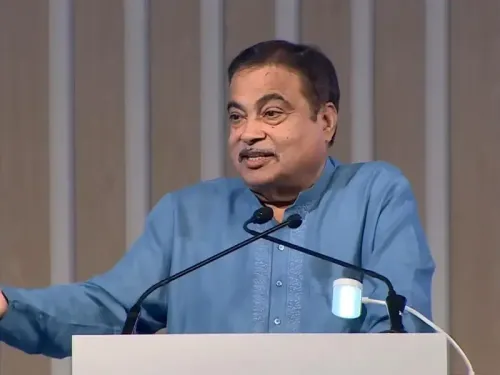
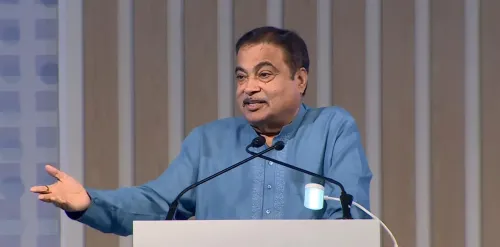
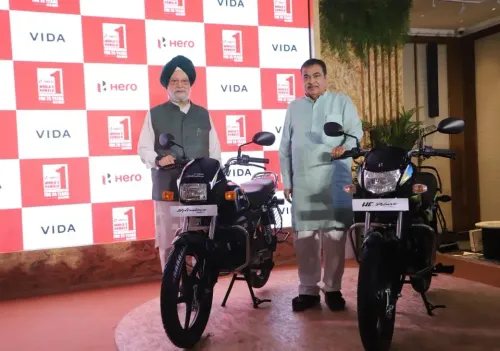
Union Road Transport and Highways Minister Nitin Gadkari on Thursday launched Maruti Suzuki India's first flex fuel passenger vehicle at an event in New Delhi. Announcing the rollout on X, the minister framed the launch as a milestone for India's biofuel transition and the government's wider push to wean the transport sector off imported crude.
In his post, Gadkari wrote that he was 'Launching Maruti Suzuki's First Flex Fuel Car in India' from New Delhi, accompanied by a livestream link from the launch venue. The unveiling marks the entry of the country's largest carmaker into the flex-fuel segment, designed to operate on petrol blended with significantly higher proportions of ethanol than the current retail standard.
Context
Flex fuel vehicles, or FFVs, are engineered to run on a range of ethanol-petrol blends, including high-ethanol mixes such as E85. The technology has long been deployed in markets like Brazil and the United States, and Indian policymakers have for years pressed manufacturers to localise it.
Gadkari has been among the most vocal proponents of alternative fuels within the Union cabinet, repeatedly arguing that ethanol, methanol, hydrogen and electricity must collectively displace petrol and diesel to shrink India's energy import bill and lift rural incomes.
Policy backdrop
The launch sits within the government's Ethanol Blended Petrol Programme, which mandates the mixing of ethanol — largely produced from sugarcane and surplus foodgrain — into petrol sold at retail outlets. In 2021, the Centre advanced the national target of 20 percent ethanol blending (E20) in petrol to 2025, five years earlier than the original 2030 deadline.
That acceleration was paired with a parallel expectation that automakers introduce engines compatible first with E20 and eventually with higher blends. The Road Transport Ministry has, over successive years, nudged vehicle manufacturers to align product cycles with the ramp-up in domestic ethanol supply.
Stakeholders and impact
The flex fuel rollout intersects three constituencies. For automobile manufacturers, it opens a new powertrain category at a time when the Indian passenger vehicle market is also absorbing electric and hybrid options. For sugarcane farmers and other feedstock growers, expanded ethanol demand offers an additional procurement channel beyond sugar mills.
For oil marketing companies, the shift means continued investment in blending infrastructure, dedicated ethanol storage and pump-level dispensing systems capable of handling higher-blend fuels. Consumers, in turn, will weigh the running cost of ethanol-rich blends against fuel economy, since ethanol typically carries lower energy density than petrol.
Maruti Suzuki's entry is significant given its dominant share of the Indian passenger vehicle market. A flex fuel offering from the country's volume leader can normalise the technology for mass-market buyers and signal to competitors that the segment is commercially viable.
What's next
Attention will now turn to the rollout of E20 and higher-blend fuel at retail outlets across the country, and to whether the Centre introduces fresh fiscal incentives or regulatory mandates to scale flex-fuel compatibility across passenger vehicle portfolios.
Equally watched will be the pricing strategy for flex fuel models versus their conventional petrol counterparts, since affordability has historically shaped technology adoption in India's price-sensitive car market. The minister's launch underscores that biofuels remain a central pillar of the government's transport decarbonisation strategy, alongside electrification.
If ethanol supply keeps pace with vehicle availability, the launch could mark the beginning of a broader recalibration of India's passenger car powertrain mix — linking agriculture, energy security and mobility policy more tightly than ever before.
Point of View
Farm incomes and indigenous manufacturing. By bringing India's largest carmaker into the flex fuel fold, the government signals that ethanol is not a niche experiment but a mainstream transport fuel of the future. The real test, however, lies in retail fuel availability and consumer economics — without dense E20-plus pump networks and clear running-cost advantages, flex fuel risks remaining a showroom novelty. The arc here is unmistakable: India is hedging its decarbonisation bet across electrons and biofuels rather than picking a single winner.
NationPress
21 Oct 2026
Frequently Asked Questions
What is a flex fuel car?
A flex fuel car is a vehicle whose engine can run on a range of petrol-ethanol blends, including high-ethanol mixes such as E85. It automatically adjusts fuel injection and ignition based on the blend in the tank.
Why did Nitin Gadkari launch Maruti Suzuki's flex fuel car?
The launch supports the government's Ethanol Blended Petrol Programme, which aims to cut crude oil imports and boost rural incomes by using ethanol from sugarcane and other crops in transport fuel.
What is India's ethanol blending target?
India aims for 20 percent ethanol blending in petrol, known as E20. The Centre advanced this target to 2025 from the earlier 2030 deadline in 2021.
How does flex fuel benefit sugarcane farmers?
Higher ethanol demand creates an additional procurement channel for sugarcane and surplus foodgrain, offering farmers assured offtake beyond traditional sugar mills and supporting rural income.
Will flex fuel cars be cheaper to run in India?
Running costs depend on the price of ethanol-blended fuel relative to petrol and the lower energy density of ethanol. Consumers will weigh per-litre savings against any drop in fuel economy.