Puri, Gadkari Launch Hero MotoCorp's First Flex-Fuel Bike in Delhi
Synopsis
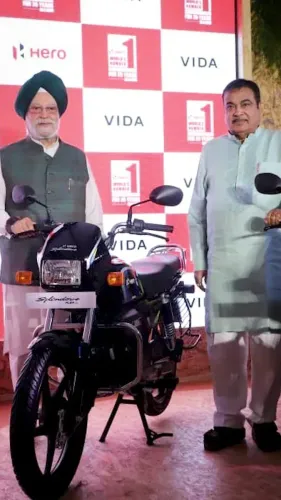
Union Petroleum Minister Hardeep Singh Puri and Road Transport Minister Nitin Gadkari launched Hero MotoCorp's first flex-fuel motorcycle in New Delhi, marking a significant push for ethanol-compatible two-wheelers under India's E20 blending roadmap and biofuels policy aimed at cutting crude imports.
Key Takeaways
Hardeep Singh Puri and Nitin Gadkari jointly launched Hero MotoCorp's first flex-fuel motorcycle in New Delhi on 3 June 2026.
Hero MotoCorp is India's largest two-wheeler manufacturer, giving the launch significant market signalling value.
The move aligns with the 2021 E20 roadmap targeting 20 per cent ethanol blending by 2025.
Flex-fuel vehicles can run on higher ethanol blends, supporting sugarcane farmers and blending infrastructure.
India imports over 85 per cent of its crude oil; biofuels are central to cutting that dependence and reaching 2070 net-zero.
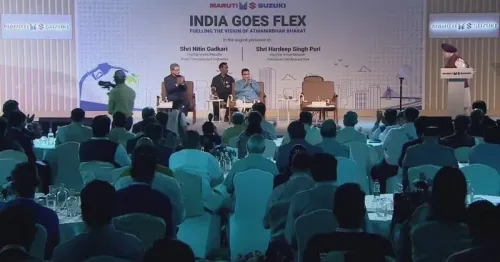
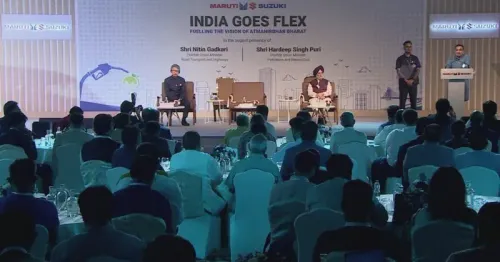
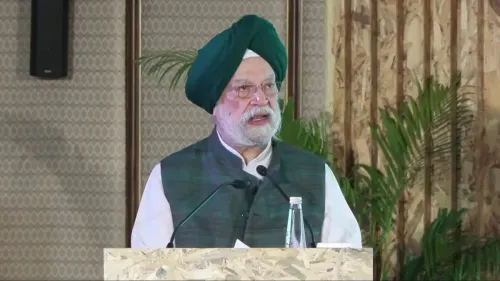
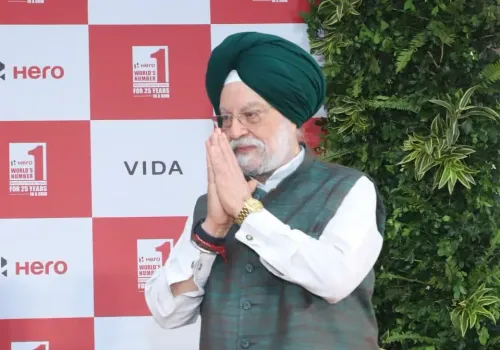
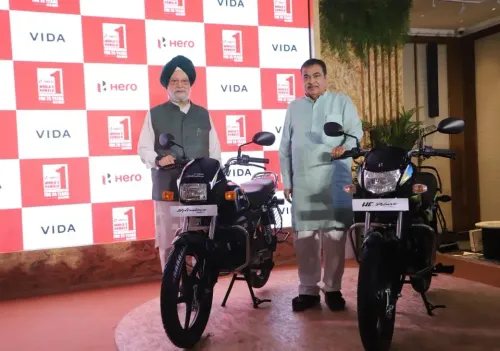
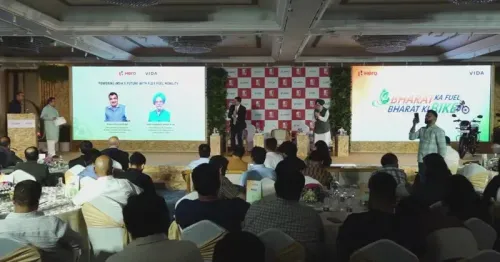
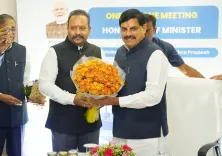
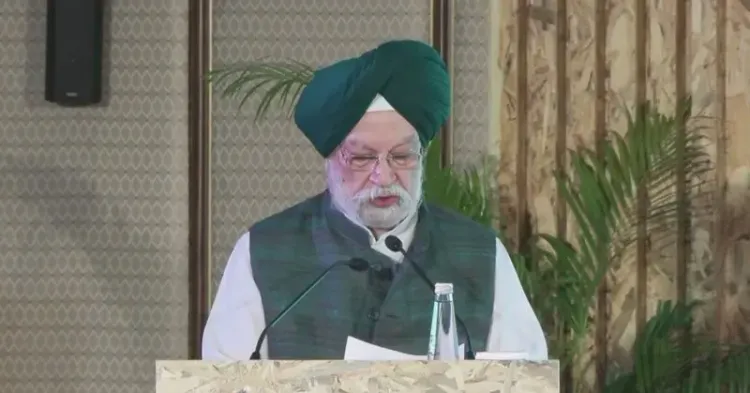
Union Petroleum Minister Hardeep Singh Puri joined Union Road Transport and Highways Minister Nitin Gadkari in New Delhi on 3 June 2026 to launch Hero MotoCorp's first flex-fuel motorcycle. Puri announced the joint appearance on X, framing the rollout as a milestone in India's push to deepen ethanol use in road transport.
In his post, Puri said he was 'at the launch of Hero MotoCorp's first flex-fuel motorcycle in New Delhi with my senior Cabinet colleague Sh Nitin Gadkari Ji.' The brief message, accompanied by a broadcast link, positioned the event as a cross-ministry endorsement of flex-fuel two-wheelers entering the mass market.
Context
Hero MotoCorp is India's largest two-wheeler manufacturer by volume, and a flex-fuel motorcycle from its stable carries outsized signalling value for a market dominated by petrol-run scooters and bikes. Flex-fuel engines can run on petrol blended with higher proportions of ethanol, including blends well above the current E20 specification.
The launch was attended by two senior Cabinet ministers whose portfolios converge on the alternate-fuels agenda — Puri's ministry oversees fuel supply and the oil marketing companies that retail blended petrol, while Gadkari has been the government's most vocal champion of ethanol, methanol and flex-fuel vehicle mandates.
Policy backdrop
The event sits within a policy arc that began with the National Policy on Biofuels, 2018, which set ethanol blending targets and encouraged alternate fuels for transport. In 2021, the petroleum and road transport ministries jointly released an E20 roadmap targeting 20 per cent ethanol blending by 2025, supported by feedstock from sugarcane and surplus grain.
Pilot programmes for flex-fuel vehicles were announced in 2022-23, alongside state-level ethanol policies in Uttar Pradesh and Maharashtra. Passenger car prototypes from several manufacturers have since been showcased, but mass-market two-wheeler launches have been awaited as the segment accounts for the bulk of fuel demand on Indian roads.
Stakeholders and impact
The most direct beneficiaries of a flex-fuel two-wheeler ecosystem are sugarcane farmers, who supply molasses and juice for ethanol production, and oil marketing companies, which have invested in blending infrastructure at depots and retail outlets. For consumers, flex-fuel capability widens the range of blends a vehicle can safely run on as the national blending percentage rises.
For manufacturers, the launch raises the competitive bar. Rival two-wheeler makers will be watched for similar product announcements, while component suppliers face fresh demand for ethanol-compatible fuel lines, gaskets and engine management systems.
What's next
Attention will turn to commercial rollout timelines, pricing and dealer availability of the new motorcycle, as well as any revision of ethanol procurement prices ahead of the blending targets set in the E20 roadmap. The government is also expected to continue calibrating excise and GST treatment of flex-fuel vehicles to nudge adoption.
India imports more than 85 per cent of its crude oil, and higher ethanol use is a central plank of the strategy to trim that bill while moving towards the country's 2070 net-zero commitment. A flex-fuel motorcycle from a market leader, blessed by two senior ministers, is a visible step in that long transition.
Point of View
Given the segment's outsized share of road fuel demand. It also sharpens the political case for higher ethanol procurement prices, which directly touch sugarcane belts in Uttar Pradesh and Maharashtra. The real test will be whether dealer networks, blended fuel availability and pricing move quickly enough to translate the launch into volumes.
NationPress
17 Oct 2026
Frequently Asked Questions
What did Hardeep Singh Puri launch with Nitin Gadkari in Delhi?
Union Petroleum Minister Hardeep Singh Puri and Union Road Transport Minister Nitin Gadkari launched Hero MotoCorp's first flex-fuel motorcycle in New Delhi on 3 June 2026.
What is a flex-fuel motorcycle?
A flex-fuel motorcycle is a two-wheeler whose engine and fuel system are designed to run on petrol blended with varying, including higher, proportions of ethanol without damage to components.
What is India's E20 ethanol blending target?
India's E20 roadmap, released jointly by the petroleum and road transport ministries in 2021, targets 20 per cent ethanol blending in petrol by 2025.
Why is the government promoting ethanol and flex-fuel vehicles?
India imports more than 85 per cent of its crude oil, and higher ethanol blending reduces import dependence, supports sugarcane farmers and contributes to the 2070 net-zero commitment.
Which policy framework guides India's biofuels push?
The National Policy on Biofuels, 2018, is the core framework, setting ethanol blending targets and encouraging alternate fuels for transport, supplemented by the 2021 E20 roadmap and state ethanol policies.