CM Samrat Choudhary Inaugurates Belwa-Minapur Link Channel in Bihar
Synopsis
Bihar Chief Minister Samrat Choudhary on 19 July 2026 inaugurated construction of the Belwa–Minapur link channel under the Bagmati–Burhi Gandak River Link Scheme, targeting chronic monsoon flooding in Sheohar and Muzaffarpur districts of northern Bihar.
Key Takeaways
Bihar CM Samrat Choudhary inaugurated the Belwa–Minapur (Belwadhar) link channel construction on 19 July 2026 .
The channel connects Belwa in Piprahia block, Sheohar district to Minapur in Muzaffarpur district .
The project falls under the Bagmati–Burhi Gandak River Link Scheme , Bihar's flagship inter-river channel initiative.
The scheme targets flood moderation and improved irrigation for communities in northern Bihar's most flood-prone districts.
Northern Bihar faces near-annual inundation from Himalayan rivers flowing through Nepal, making structural water management a key political and policy priority.
Progress on subsequent phases and measurable flood-impact data will determine the scheme's broader success.
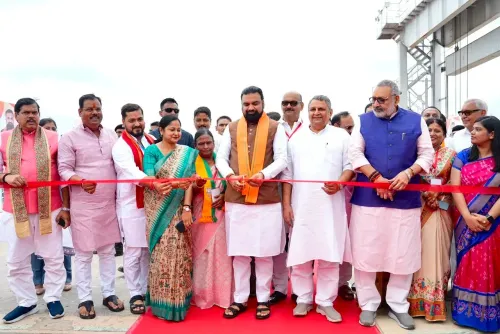
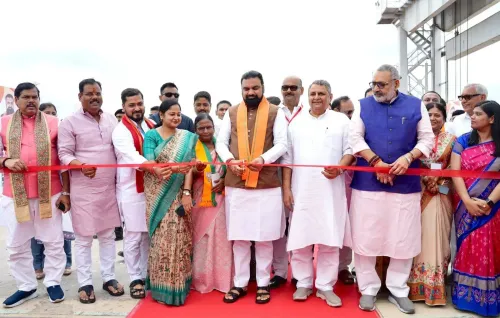
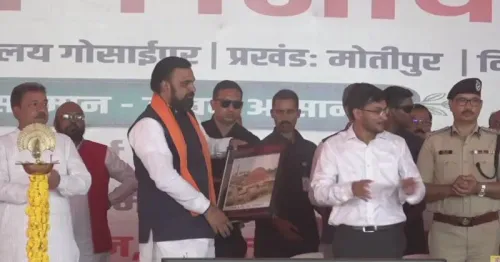
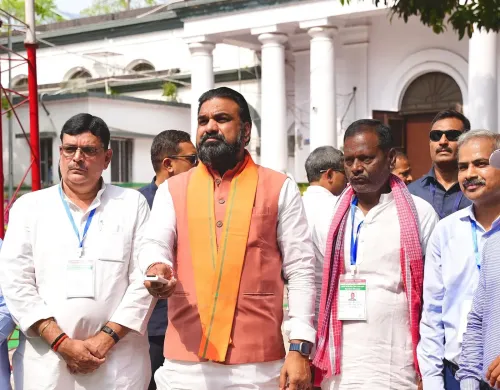
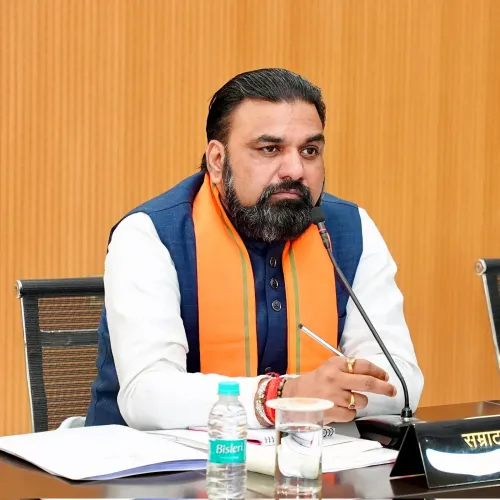
Bihar Chief Minister Samrat Choudhary on Sunday, 19 July 2026, inaugurated the construction work of the Belwa–Minapur link channel (Belwadhar) under the Bagmati–Burhi Gandak River Link Scheme, connecting Belwa in Piprahia block of Sheohar district to Minapur in Muzaffarpur district. The live inauguration, streamed on X, marks a significant step in Bihar's long-running effort to tame annual monsoon flooding in the northern river basins.
Context
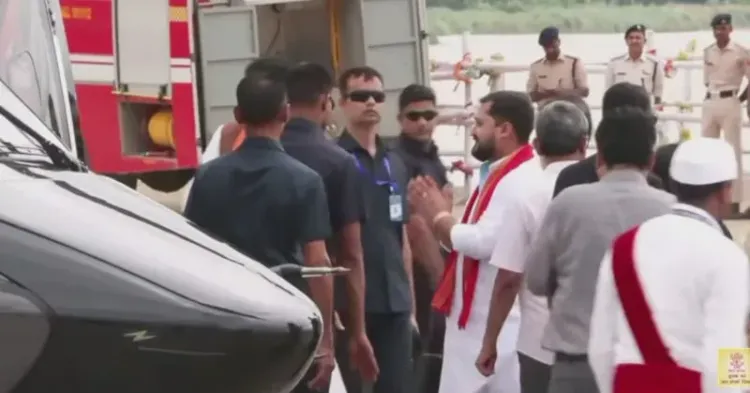
Chief Minister Choudhary shared the inauguration live on X with the caption: '#Live: बागमती बूढ़ी गंडक रिवर लिंक योजना के तहत बेलवा (शिवहर जिला के पिपराही प्रखंड) - मीनापुर (मुजफ्फरपुर) लिंक चैनल (बेलवाधार) निर्माण कार्य का उद्घाटन' — translating to: 'Live: Inauguration of the construction work of the Belwa (Piprahia block, Sheohar district)–Minapur (Muzaffarpur) link channel (Belwadhar) under the Bagmati–Burhi Gandak River Link Scheme.' The post included an image from the event site and a live broadcast link, indicating a formal, on-ground ceremony.
Sheohar and Muzaffarpur are among the most flood-vulnerable districts in northern Bihar, lying in the basin of rivers that originate in the Himalayas and flow through Nepal before entering India. The Bagmati river in particular has historically inundated large swathes of farmland and settlements every monsoon season.
Policy Backdrop
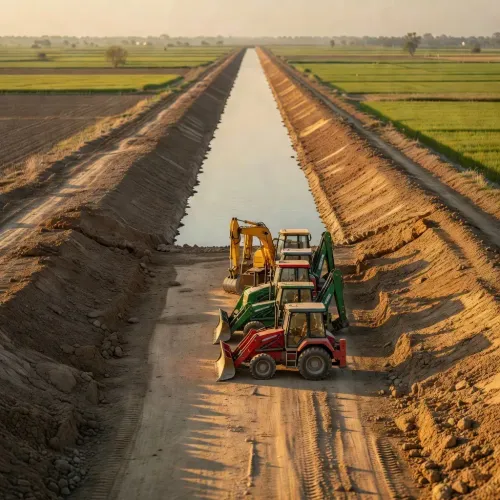
The Bagmati–Burhi Gandak River Link Scheme is a Bihar government initiative designed to connect the two rivers through a network of engineered link channels, with the twin goals of moderating flood peaks and improving irrigation availability in the inter-basin areas. Bihar's pursuit of river-interlinking and channel construction as a structural flood-management tool dates to the early 2000s, drawing on the national River Linking Project concept formally advanced in 2002.
Successive state administrations have combined embankment reinforcement with inter-river channel works across the Bagmati and Gandak basins. The current BJP–JD(U) government has continued and expanded this approach, with the present inauguration representing an incremental but concrete phase of the broader scheme. The Belwadhar channel specifically is intended to redirect excess Bagmati flows toward the Burhi Gandak system, potentially reducing inundation in the blocks lying between the two rivers.
Stakeholders and Impact
The most direct beneficiaries of the Belwa–Minapur link channel are the flood-affected farming communities of Sheohar and Muzaffarpur districts, whose agricultural cycles are routinely disrupted by monsoon inundation. Northern Bihar experiences near-annual flooding from Nepal-originating rivers, and even a partial reduction in flood duration can translate into significant gains in cropped area and rural livelihoods.
Residents of Piprahia block in Sheohar — one of the state's smaller and economically weaker districts — stand to gain from both improved drainage and the potential for regulated irrigation water during dry spells. Downstream communities along the Burhi Gandak in Muzaffarpur may also see altered flow patterns once the channel becomes operational.
What's Next
With construction formally inaugurated, attention will turn to the pace of civil works and the rollout of subsequent phases of the Bagmati–Burhi Gandak River Link Scheme. Observers and affected communities will watch for government data on changes in flood duration, waterlogging extent, and net irrigated area in the linked blocks once the channel is commissioned. The project's progress will also be a political marker for the BJP–JD(U) alliance ahead of future electoral cycles in a region where flood relief and water management are perennial voter concerns.
Point of View
On-ground delivery moment for the BJP–JD(U) government in a region where flood vulnerability has long shaped political outcomes. By personally live-streaming the event, Chief Minister Choudhary is signalling direct ownership of infrastructure outcomes in Bihar's most distressed northern districts. The move fits a broader pattern of the current administration using incremental project launches — rather than a single mega-announcement — to build a cumulative narrative of governance in the Bagmati and Gandak basins. Whether the scheme translates into measurable flood relief will ultimately determine its political and policy legacy.
NationPress
19 Jul 2026
Frequently Asked Questions
What is the Bagmati–Burhi Gandak River Link Scheme in Bihar?
The Bagmati–Burhi Gandak River Link Scheme is a Bihar government project that connects the Bagmati and Burhi Gandak rivers through engineered link channels to reduce monsoon flooding and improve irrigation in northern Bihar districts.
What did Bihar CM Samrat Choudhary inaugurate on 19 July 2026?
Bihar Chief Minister Samrat Choudhary inaugurated the construction of the Belwa–Minapur link channel (Belwadhar) in northern Bihar, connecting Piprahia block in Sheohar district to Minapur in Muzaffarpur district.
Which districts benefit from the Belwa–Minapur link channel?
The link channel primarily benefits Sheohar and Muzaffarpur districts in northern Bihar, both of which experience severe annual flooding from the Bagmati river and its tributaries.
Why does northern Bihar flood every year?
Northern Bihar is inundated almost every monsoon because rivers such as the Bagmati, Burhi Gandak, and Gandak originate in the Himalayas and carry heavy rainfall runoff from Nepal, overwhelming natural drainage and embankments.
What is the significance of river interlinking for Bihar's flood problem?
River interlinking allows excess floodwater from one basin to be redirected into another with lower water levels, reducing peak inundation; Bihar has pursued such channel projects since the early 2000s as a structural complement to embankment construction.