Joshi flags 12 green hydrogen pilots for heavy transport
Synopsis
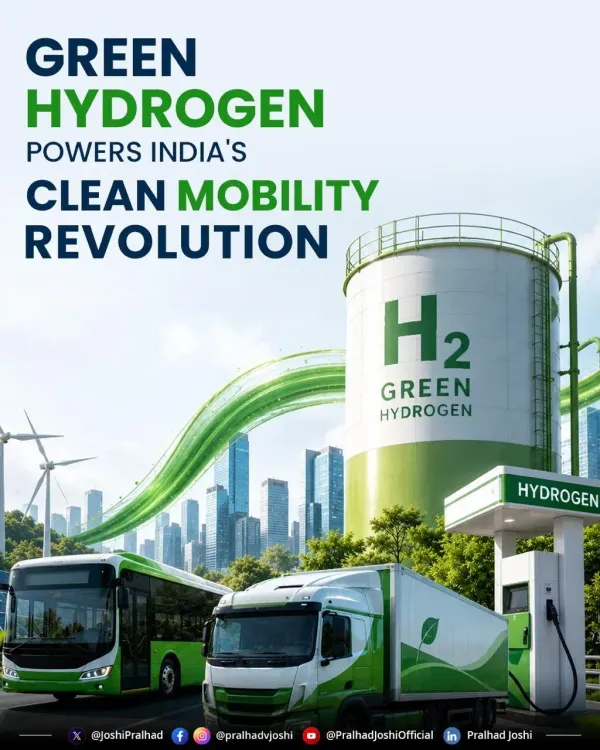
Union Minister Pralhad Joshi announced 12 pilot projects under the National Green Hydrogen Mission to deploy 70 hydrogen-powered heavy-duty vehicles and 16 refuelling stations, advancing India's zero-emission transport ambitions under PM Modi's leadership.
Key Takeaways
12 pilot projects have been sanctioned under the National Green Hydrogen Mission for hydrogen-powered heavy transport.
70 hydrogen-powered heavy-duty vehicles will be deployed across strategic highway and urban corridors.
16 Hydrogen Refuelling Stations will support the vehicle fleet, forming the backbone of early infrastructure.
The NGHM was approved in January 2023 with an outlay of ₹19,744 crore targeting 5 million tonnes of annual green hydrogen production by 2030 .
The initiative supports India's net-zero by 2070 commitment and aims to reduce fossil fuel import dependence in long-haul freight.
Progress on the pilots and further tender outcomes from the Ministry of New and Renewable Energy are expected in the coming fiscal year.
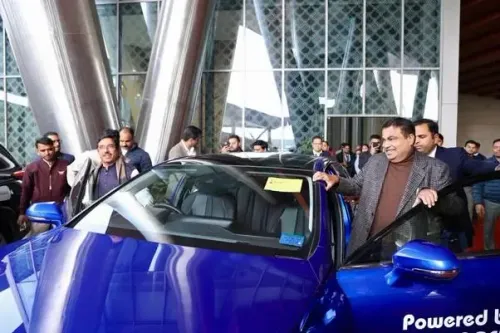
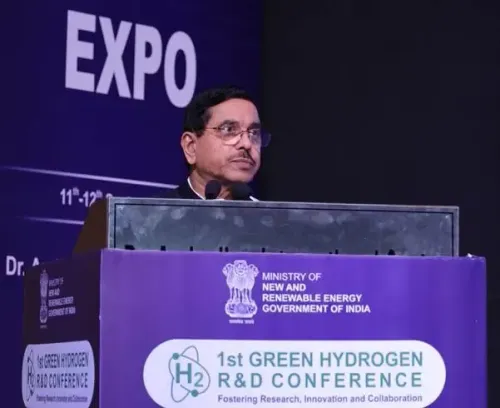
Union Consumer Affairs and New and Renewable Energy Minister Pralhad Joshi on Sunday, 19 July 2026, highlighted India's accelerating push into hydrogen-powered mobility, announcing that 12 pilot projects have been sanctioned under the National Green Hydrogen Mission (NGHM) to deploy 70 hydrogen-powered heavy-duty vehicles supported by 16 Hydrogen Refuelling Stations across strategic highway and urban transport corridors.
Context
In his post on X, Minister Joshi stated: 'Hydrogen is driving India's journey towards a cleaner and more sustainable transport future.' He added that the sanctioned pilots are 'paving way for zero-emission mobility across India's highways and urban transport corridors, covering multiple strategic routes across the country.' The announcement underscores the government's intent to move beyond rhetoric and into field-level deployment in one of the hardest-to-decarbonise segments — long-haul trucking.
Joshi attributed the programme's momentum to the 'visionary leadership' of Prime Minister Narendra Modi, framing the hydrogen ecosystem build-out as central to India's aspiration of becoming 'cleaner and self-reliant.'
Policy Backdrop
The National Green Hydrogen Mission was approved by the Union Cabinet in January 2023 with a financial outlay of ₹19,744 crore. Its headline target is to achieve 5 million tonnes of annual green hydrogen production by 2030, positioning India as both a domestic consumer and a potential global exporter of the fuel.
The mission is a cornerstone of India's broader climate commitments, including the net-zero by 2070 pledge made at COP26. It complements production-linked incentive schemes for renewable energy manufacturing and advanced battery chemistry, building an integrated clean-energy supply chain. The focus on heavy-duty vehicles is deliberate: long-haul freight is considered among the most difficult sectors to electrify through batteries alone, making hydrogen a strategically important alternative.
Stakeholders and Impact
The immediate beneficiaries of the pilot programme are heavy-duty vehicle operators and renewable energy developers who stand to gain from a nascent but government-backed hydrogen supply infrastructure. The 16 Hydrogen Refuelling Stations to be established alongside the vehicle deployments are critical enabling infrastructure — without them, commercial adoption remains constrained.
For India's freight and logistics sector, which is heavily dependent on diesel, successful pilots could open a pathway to significant fuel-import savings and reduced urban air pollution along major corridors. Industrial clusters located along these strategic routes may also benefit from proximity to emerging hydrogen supply chains, potentially accelerating uptake in adjacent hard-to-abate sectors such as steel and chemicals.
What's Next
The Ministry of New and Renewable Energy is expected to publish progress reports on the 12 sanctioned pilots in the coming fiscal year, with further project approvals and tender outcomes anticipated as the ecosystem matures. The pace at which refuelling infrastructure is commissioned will be a key indicator of whether the pilots can scale into a commercially viable national network.
India's ability to manufacture green hydrogen at competitive costs — driven by falling renewable energy tariffs — will ultimately determine whether the NGHM's 2030 targets translate from policy ambition into measurable decarbonisation of the transport sector.
Point of View
The ministry is targeting a segment where battery-electric alternatives face real range and payload constraints, lending the pilots genuine strategic logic. For Minister Joshi, the post also serves a political function: visibly linking his renewable energy portfolio to a futuristic, high-visibility mission ahead of any state or national electoral cycle. The real test will come when pilot data on vehicle uptime, hydrogen cost per kilometre, and refuelling throughput enters the public domain.
NationPress
20 Jul 2026
Frequently Asked Questions
What is the National Green Hydrogen Mission in India?
The National Green Hydrogen Mission is a central government programme approved in January 2023 with an outlay of ₹19,744 crore. It aims to produce 5 million tonnes of green hydrogen annually by 2030 and covers applications in transport, industry, and energy storage.
How many hydrogen vehicles are being deployed under the NGHM pilots?
According to Minister Pralhad Joshi's announcement, 70 hydrogen-powered heavy-duty vehicles are being deployed across 12 sanctioned pilot projects, supported by 16 Hydrogen Refuelling Stations on strategic routes.
Why is hydrogen being used for heavy-duty trucks instead of electric batteries?
Long-haul heavy-duty trucks require high energy density and fast refuelling that current battery technology struggles to match at commercial scale. Hydrogen fuel cells offer longer range and shorter refuelling times, making them a practical alternative for freight corridors.
What is India's green hydrogen production target by 2030?
India's National Green Hydrogen Mission targets 5 million tonnes of annual green hydrogen production by 2030, positioning the country as a potential global supplier alongside meeting domestic industrial and transport demand.
What is India's net-zero target and how does green hydrogen fit in?
India committed to achieving net-zero carbon emissions by 2070 at the COP26 climate summit. Green hydrogen is central to decarbonising hard-to-abate sectors like heavy transport, steel, and chemicals where direct electrification is not yet viable.