Joshi Highlights World's Most Powerful Hydrogen Train from Jind
Synopsis
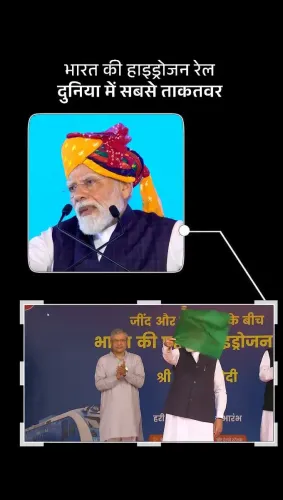
Union Minister Pralhad Joshi on 17 July 2026 highlighted the launch of a hydrogen-powered train from Jind, Haryana, claiming it is the world's most powerful at 3,200 horsepower and the world's longest, crediting PM Modi with the milestone under the National Green Hydrogen Mission.
Key Takeaways
Union Minister Pralhad Joshi announced on 17 July 2026 that a hydrogen train running from Jind, Haryana is operational.
The train is claimed to be the world's most powerful hydrogen train at 3,200 horsepower and also the world's longest hydrogen-powered train.
The development is linked to the National Green Hydrogen Mission (NGHM) , approved in January 2023 with an outlay of Rs 19,744 crore .
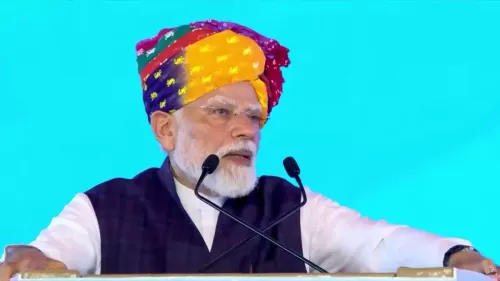
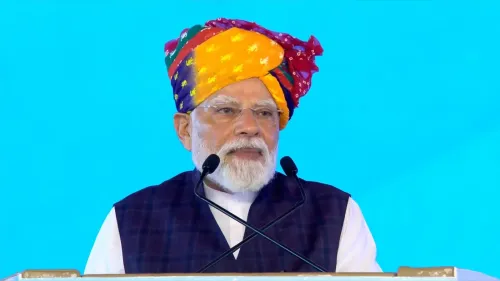
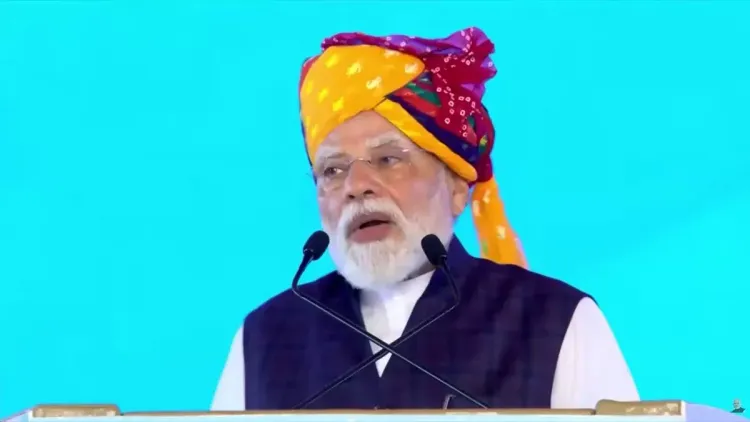
PM Narendra Modi was present in Haryana for the event, as indicated by the hashtag #PMModiInHaryana .
The Jind trial is part of Indian Railways' net-zero roadmap to deploy hydrogen fuel-cell trains on existing broad-gauge networks.
Further route extensions and parliamentary progress reports on NGHM transport pilots are the next milestones to watch.
Union Minister for New and Renewable Energy Pralhad Joshi on Friday, 17 July 2026 highlighted the launch of a hydrogen-powered train from Jind, Haryana, calling it the world's most powerful and longest hydrogen train, in a post crediting Prime Minister Narendra Modi with the milestone.
Context
Joshi's post described the train running from Jind as having 3,200 horsepower, asserting it is 'not only the world's most powerful but also the world's longest hydrogen-powered train.' The minister tagged the Prime Minister and used the hashtags #HydrogenTrain, #NGHM (National Green Hydrogen Mission), and #PMModiInHaryana, indicating the development coincided with a visit by PM Modi to the state.
The event marks a significant public-facing moment for India's push to deploy hydrogen propulsion on its broad-gauge rail network, with Jind district serving as the operational starting point for this trial route.
Policy Backdrop
The development is anchored in the National Green Hydrogen Mission (NGHM), approved by the Union Cabinet in January 2023 with a financial outlay of Rs 19,744 crore. The mission targets scaling green hydrogen production and its application across sectors including transport, refining, and fertilisers.
Indian Railways had announced plans in 2023-24 to develop and trial hydrogen fuel-cell trains as part of its net-zero decarbonisation roadmap. The Jind trial represents the operational realisation of those announced pilots, deploying indigenously developed hydrogen propulsion technology on an existing route.
India's broader climate architecture commits the country to net-zero emissions by 2070, with railways identified as an early pilot sector for green hydrogen integration alongside heavy industry.
Stakeholders and Impact
Railway passengers on the Jind corridor stand to be the first direct beneficiaries of emission-free hydrogen propulsion, while the renewable energy and green hydrogen industries gain a high-visibility demonstration project. Domestic manufacturers of fuel-cell components and electrolysers are among the industrial stakeholders watching the rollout closely.
For Haryana, hosting the world's claimed most powerful hydrogen train positions the state as a node in India's green transport map. The political symbolism of PM Modi's presence at the event underscores the government's intent to project hydrogen mobility as a flagship achievement under the NGHM.
What's Next
Attention will now turn to whether the hydrogen train corridor from Jind is extended to additional routes and how quickly Indian Railways scales the technology beyond the pilot phase. Progress updates on NGHM pilot projects, including transport applications, are periodically tabled in Parliament and will serve as the next formal accountability checkpoint.
The success of the Jind deployment could accelerate private and public investment in hydrogen refuelling infrastructure along rail corridors, a prerequisite for any national-scale rollout of hydrogen traction across India's vast rail network.
Point of View
Timed to PM Modi's presence in Haryana and amplified by a senior Cabinet minister holding the renewable energy portfolio — a combination that signals the government wants hydrogen mobility to be a visible electoral and policy asset. Minister Joshi's framing of dual world records (most powerful and longest) is designed to project India as a first-mover in green rail technology, a narrative that serves the NGHM's need for high-profile proof-of-concept moments. The choice of Haryana, a politically competitive state, as the launch site adds a regional dimension to what is otherwise a national infrastructure story. Whether the claims hold up to independent technical scrutiny will determine how durable this milestone is in the broader green hydrogen policy arc.
NationPress
16 Oct 2026
Frequently Asked Questions
What is the hydrogen train launched from Jind Haryana?
The hydrogen train from Jind, Haryana is a fuel-cell powered train that the government claims is the world's most powerful at 3,200 horsepower and the world's longest hydrogen-powered train, launched as part of Indian Railways' green energy pilots under the National Green Hydrogen Mission.
What is the National Green Hydrogen Mission?
The National Green Hydrogen Mission (NGHM) is a Central government scheme approved in January 2023 with an outlay of Rs 19,744 crore to scale up green hydrogen production and its use across sectors including transport, refining, and fertilisers.
What is the horsepower of India's hydrogen train?
According to Union Minister Pralhad Joshi's post, the hydrogen train running from Jind has 3,200 horsepower, making it the claimed most powerful hydrogen train in the world.
What is Pralhad Joshi's role in the hydrogen train project?
Pralhad Joshi is the Union Minister for New and Renewable Energy, the ministry overseeing the National Green Hydrogen Mission under which the hydrogen train pilot falls, making him a key government voice on the project's progress.
Where does India's hydrogen train run?
India's hydrogen-powered train operates from Jind, a district in Haryana, as part of a pilot programme by Indian Railways to test hydrogen fuel-cell propulsion on existing broad-gauge rail routes.