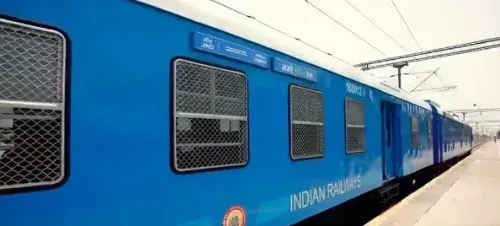
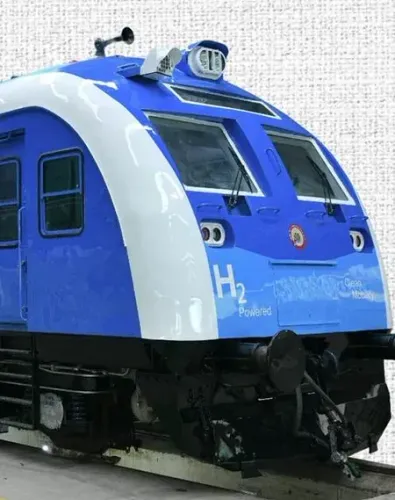
India's first hydrogen train flagged off by PM Modi from Jind, Haryana
Synopsis
India crossed a symbolic clean-energy threshold on 17 July as PM Modi flagged off the country's first hydrogen-powered train from Jind, Haryana. The Jind–Sonipat pilot puts India alongside Germany, Japan, China, and the US in hydrogen rail — but the real test lies in whether this pilot can scale across one of the world's largest railway networks.
Key Takeaways
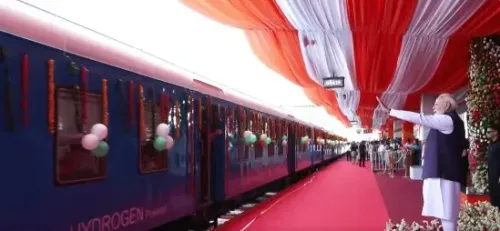
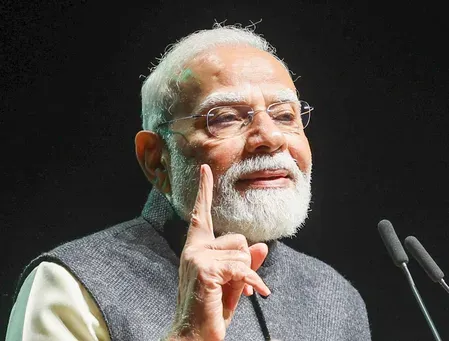
PM Narendra Modi flagged off India's first hydrogen-powered train from Jind, Haryana on 17 July .
The train will operate on the Jind–Sonipat pilot corridor, with an indigenous hydrogen storage and refuelling facility set up at Jind.
PESO has granted the licence for compressed hydrogen gas storage and dispensing at the site.
India joins Germany, Japan, China, and the United States in the group of nations exploring hydrogen rail technology.
Modi also virtually inaugurated the redeveloped Tikamgarh railway station under the Amrit Bharat Station Scheme .
Development projects worth more than ₹189 crore were inaugurated or foundation-stoned in Tikamgarh district.
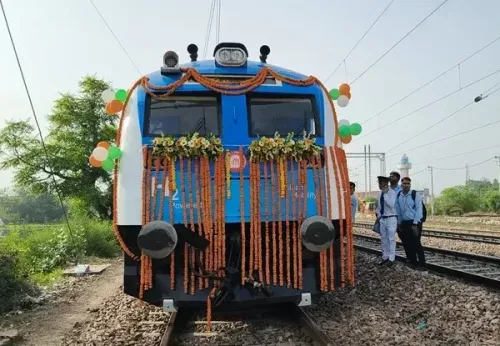
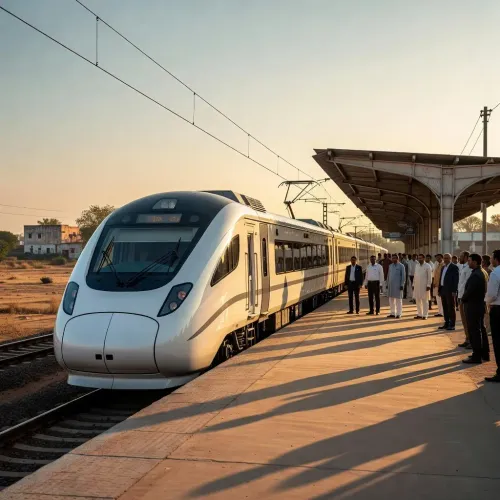
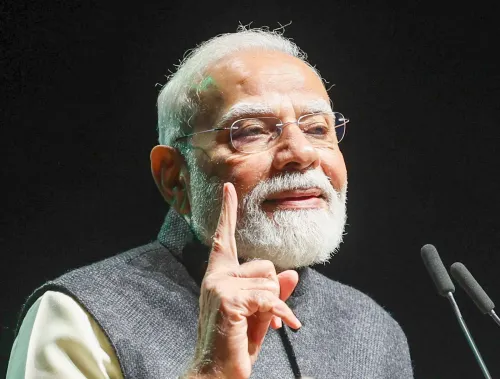
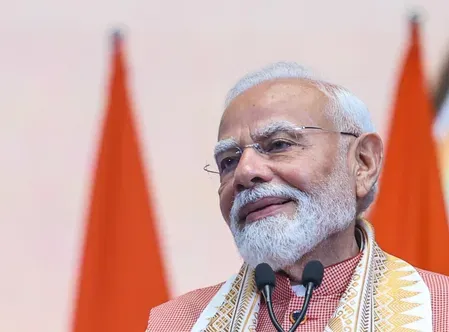
Prime Minister Narendra Modi on Friday, 17 July flagged off India's first hydrogen-powered train from Jind, Haryana, marking the country's entry into a select group of nations actively exploring hydrogen as a cleaner alternative for rail transportation. The train will operate on the Jind–Sonipat corridor, a route designated as the pilot section for this technology.
A Landmark for Indian Railways
The hydrogen train project represents a significant milestone for Indian Railways, aligning with the country's broader commitments to energy efficiency, clean mobility, and its net-zero carbon emission goals. An indigenous hydrogen storage and refuelling facility has been commissioned at Jind to support the train set's operations.
The Petroleum and Explosives Safety Organisation (PESO) has granted the necessary licence for storage and dispensing of compressed hydrogen gas at the site. A hydrogen compression system has also been installed for refuelling, along with technical support infrastructure and critical spares to ensure fail-safe operations. A standby compressor unit is additionally being provisioned.
How Hydrogen Fuel Cell Technology Works
Hydrogen fuel cell technology generates electricity through a chemical reaction involving hydrogen, producing water vapour as its only emission — making it a clean alternative to conventional fossil fuel-based traction systems. Globally, hydrogen-based rail systems are increasingly recognised as a viable pathway toward sustainable mobility.
With this launch, India joins Germany, Japan, China, and the United States among the limited number of countries currently operating or testing hydrogen rail systems, according to an official statement. The technology remains at a nascent stage worldwide, with only a handful of nations running active programmes.
Tikamgarh Station Inauguration
In addition to the hydrogen train launch, Prime Minister Modi also virtually inaugurated the redeveloped Tikamgarh railway station in Madhya Pradesh under the Centre's Amrit Bharat Station Scheme. Chief Minister Mohan Yadav attended the programme in Tikamgarh and participated in the inauguration ceremony.
Modi also inaugurated and laid foundation stones for development projects worth more than ₹189 crore in the district, and distributed benefits to beneficiaries of various government welfare schemes, according to a statement from the Madhya Pradesh government.
What This Means for India's Clean Energy Push
The Jind–Sonipat hydrogen rail pilot is a concrete step in India's clean energy transition, coming at a time when the government is scaling up investments across green hydrogen, solar, and electric mobility. Notably, this is among the first tangible deployments of green hydrogen in India's transport sector — beyond policy announcements. The success of the pilot will determine the pace and scale of any wider rollout across the Indian Railways network.
Point of View
But the harder question is scalability. India's railway network spans over 67,000 route kilometres — a single Jind–Sonipat pilot, however well-executed, is a proof of concept, not a transition plan. Green hydrogen remains expensive to produce and store at scale, and India's electrolyser capacity is still nascent. The government's clean energy credibility will depend on whether this pilot yields a credible expansion roadmap with timelines and cost benchmarks, or whether it remains a headline event in a long list of first-of-its-kind launches that did not move the needle on decarbonisation.
NationPress
15 Oct 2026
Frequently Asked Questions
What is India's first hydrogen-powered train and where will it run?
India's first hydrogen-powered train was flagged off by Prime Minister Narendra Modi on 17 July from Jind, Haryana. It will operate on the Jind–Sonipat corridor, which has been designated as the pilot route for hydrogen rail operations in India.
How does hydrogen fuel cell technology work in trains?
Hydrogen fuel cell technology generates electricity through a chemical reaction between hydrogen and oxygen, with water vapour as the only by-product. This makes it a zero-emission alternative to diesel or conventional electric traction systems.
Which countries are already using hydrogen trains?
Germany, Japan, China, and the United States are among the nations currently operating or testing hydrogen rail systems. India now joins this select group following the launch of the Jind–Sonipat pilot.
What infrastructure has been set up for the hydrogen train in Jind?
An indigenous hydrogen storage and refuelling facility has been commissioned at Jind, with a hydrogen compression system for refuelling operations. The Petroleum and Explosives Safety Organisation (PESO) has granted the required licence for storage and dispensing of compressed hydrogen gas at the site.
What else did PM Modi inaugurate alongside the hydrogen train launch?
PM Modi virtually inaugurated the redeveloped Tikamgarh railway station in Madhya Pradesh under the Amrit Bharat Station Scheme, and also inaugurated development projects worth more than ₹189 crore in Tikamgarh district.