Malaysia weighing F1 return to Sepang after record ticket sales
Synopsis
Nine years after hosting its last Formula 1 race, Malaysia is back at the cabinet table. Record ticket sales at a Bahrain GP replacement race at Sepang have reignited a serious government-level push — this time with an inter-ministerial ROI committee and a November deadline for a cabinet decision.
Key Takeaways
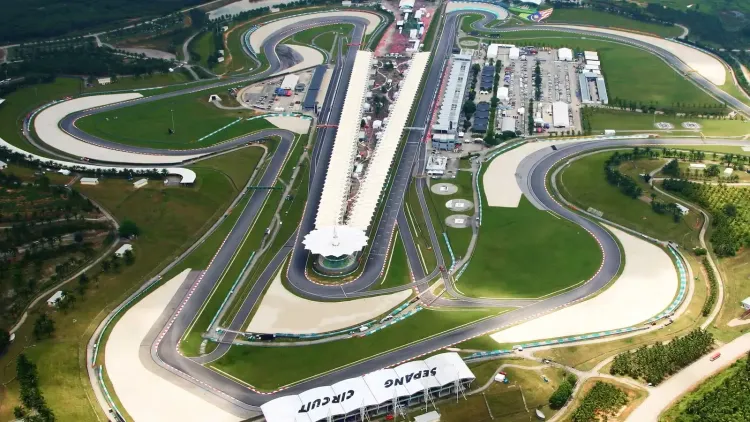
Malaysia is considering a permanent return of Formula 1 to the Sepang International Circuit after record ticket sales at a replacement race for the relocated Bahrain Grand Prix .
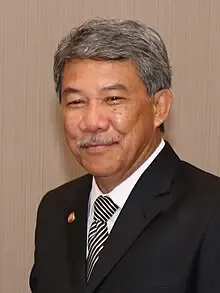
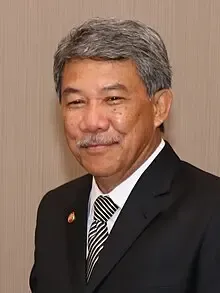
Minister Mohammed Taufiq Johari confirmed an inter-ministerial F1 assessment committee has been formed to evaluate projected costs and ROI .
A formal report will be presented to the Cabinet by November 2026 , which will make the final call.
Malaysia last hosted an F1 race in 2017 , having run the event for 19 consecutive years from 1999 .
Annual hosting fees are estimated to exceed RM 300 million — the central financial hurdle in the assessment.
Taufiq stressed the event must deliver 'shared benefits' across tourism , retail , and hospitality sectors.
Malaysia is actively evaluating whether to bring Formula 1 back to the Sepang International Circuit on a permanent basis, following record-breaking ticket sales at the recent race that saw the circuit step in as a replacement venue for the relocated Bahrain Grand Prix. The Malaysian Ministry of Youth and Sports is set to present a formal proposal to the cabinet as early as November 2026.
The Inter-Ministerial Assessment
Minister of Youth and Sports Mohammed Taufiq Johari told Parliament that his ministry had been mandated to lead an inter-ministerial F1 assessment committee involving all ministries as well as the Chief Secretary to the Government. The committee's remit is to evaluate the projected costs and the expected return on investment (ROI) for hosting the sport. 'So, we want to evaluate the projected costs and the expected return on investment (ROI) for the country, ensuring that hosting the event is not managed solely under the Ministry of Youth and Sports through the Sepang International Circuit,' Taufiq said, according to the Malaysian news portal Malaymail.
What Sparked the Renewed Push
The catalyst is a race that many did not see coming. Sepang International Circuit was called in as a last-minute substitute after the Bahrain Grand Prix was relocated due to ongoing tensions in the Middle East. The event drew what reports described as 'record-breaking ticket sales' — a stark turnaround from the sentiment that prompted Malaysia to exit the F1 calendar in 2017. It was also the first time Sepang hosted a Formula 1 race in nine years.
Why Malaysia Walked Away — and Why It May Return
The Malaysian GP was a fixture on the F1 calendar from 1999, running for 19 consecutive years until the government opted out, citing 'rising hosting fees and declining ticket returns'. Hosting fees are estimated to exceed RM 300 million annually — a figure that remains a key variable in the current assessment. Taufiq emphasised that any future hosting arrangement must deliver 'shared benefits' across sectors including tourism, retail, and hospitality, and cannot be confined to a single ministry or stakeholder.
What Happens Next
The inter-ministerial committee is expected to produce its report by November 2026, after which the Cabinet will make the final decision. 'By November, we will produce a report to be presented to the Cabinet, and ultimately, the Cabinet will decide whether or not we will bring Formula 1 back to our country,' Taufiq said. The outcome could have significant implications for the F1 calendar, which has been in flux amid geopolitical pressures affecting several Middle Eastern venues. Notably, this is not the first time Malaysia has explored a return — previous discussions never advanced to the cabinet stage, making this the most structured reassessment to date.
Point of View
At its core, a straightforward cost-benefit failure — hosting fees ballooned while local interest had cooled. The Sepang replacement race has reset that calculus, at least emotionally. But the real test is whether the inter-ministerial committee can build a durable funding model that distributes costs — and benefits — across tourism, retail, and hospitality, rather than leaving the Sports Ministry to carry an RM 300 million annual tab alone. The fact that this is the first time the assessment has reached cabinet-committee level suggests a seriousness of intent that previous flirtations with an F1 return lacked. Whether that translates into a slot on the 2027 or 2028 calendar will depend on whether F1's commercial rights holders see Malaysia as a long-term draw or a convenient fill-in.
NationPress
15 Oct 2026
Frequently Asked Questions
Is Malaysia bringing Formula 1 back to Sepang?
Malaysia is formally evaluating the possibility. The Ministry of Youth and Sports is leading an inter-ministerial assessment committee and will present a report to the Cabinet by November 2026, which will make the final decision.
Why did Malaysia stop hosting Formula 1?
Malaysia exited the F1 calendar after the 2017 race, citing rising hosting fees — estimated to exceed RM 300 million annually — and declining ticket returns. The combination made the event financially unsustainable under the previous arrangement.
What triggered the renewed interest in hosting F1?
The Sepang International Circuit stepped in as a replacement for the relocated Bahrain Grand Prix amid Middle East tensions. The race drew record-breaking ticket sales, making the strongest public case for a return since Malaysia's 2017 exit.
When will Malaysia decide on F1's return?
The inter-ministerial assessment committee is expected to deliver its report by November 2026. The Cabinet will then review the findings and make a final determination on whether to pursue a permanent return to the F1 calendar.
What conditions has Malaysia set for bringing F1 back?
Minister Mohammed Taufiq Johari has stated that hosting must deliver shared benefits across tourism, retail, and hospitality — not just for the Sports Ministry. The ROI assessment and a cross-ministerial cost-sharing framework are central to the proposal.