How is ASEAN Strengthening Regional Stability, Says Malaysian PM?
Synopsis
In a critical statement, Malaysian PM Anwar Ibrahim highlights the role of ASEAN in reinforcing regional stability amidst ongoing challenges in 2025, underscoring the importance of unity and dialogue. The meeting involving ASEAN Foreign Ministers aims to address escalating tensions between Cambodia and Thailand, showcasing ASEAN's commitment to peace and cooperation.
Key Takeaways
ASEAN enhances regional stability through unity.
Malaysia concludes its chairmanship, passing it to the Philippines .
ASEAN Foreign Ministers discuss the Cambodia-Thailand conflict.
Meeting emphasizes the urgent need for dialogue and restraint.
ASEAN aims to maintain peace and cooperation in Southeast Asia.
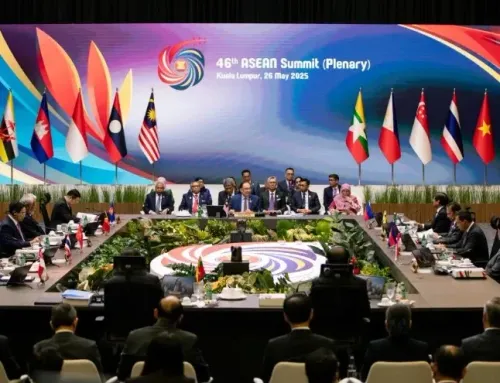
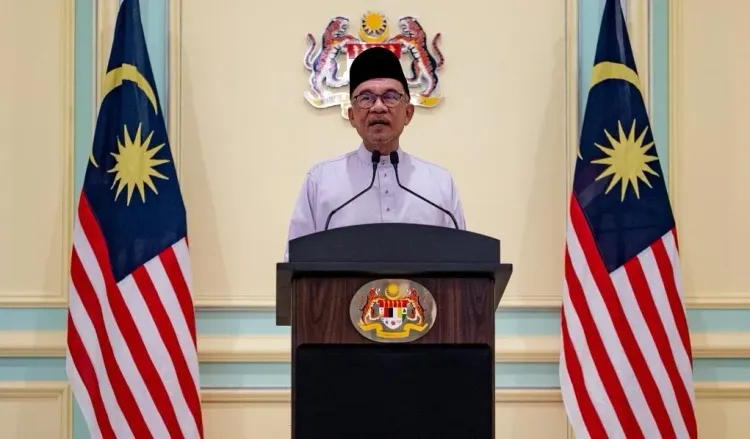
Kuala Lumpur, Dec 30 (NationPress) The stability of the region has been enhanced by the efforts of the Association of Southeast Asian Nations (ASEAN) amid various challenges faced by the group in 2025, stated Malaysian Prime Minister Anwar Ibrahim.
The unity and genuine intentions of ASEAN and its partners have allowed the platform to continue fostering understanding and bridging divides, Anwar mentioned in a statement on Monday.
"Malaysia took on the role of ASEAN Chair for 2025 during a time filled with global anxiety and uncertainty. In such circumstances, ASEAN has committed to uphold the spirit of unity, dialogue, and mutual respect," he added, according to a report by Xinhua News Agency.
Malaysia concluded its chairmanship by transferring responsibilities to the Philippines for the upcoming 2026 summit.
This marks the fifth occasion Malaysia has held the ASEAN chair since the bloc's inception in 1967.
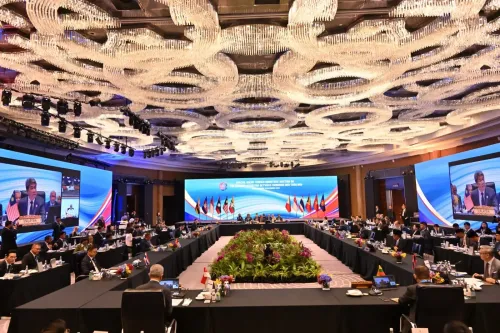
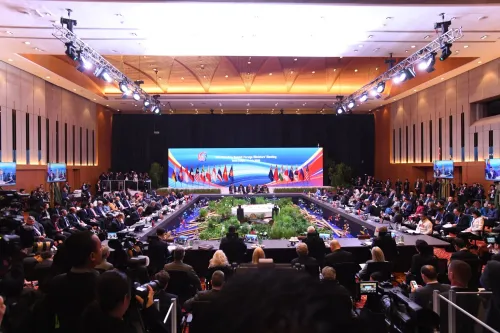
On December 22, the Foreign Ministers of ASEAN member nations convened for a 'special meeting' in Kuala Lumpur to discuss the ongoing tensions between Cambodia and Thailand, urging both nations to practice restraint and take immediate actions to halt all hostilities.
The meeting reaffirmed the commitment to ASEAN’s unity and centrality in promoting regional peace, security, stability, and prosperity, as outlined in the ASEAN Charter. Participants expressed grave concerns over the ongoing tensions and hostilities, which have resulted in significant casualties, damage to civilian infrastructure, and the displacement of individuals on both sides of the border, per a statement from the ASEAN Chair.
Delegates called on Thailand and Cambodia to guarantee that civilians in the affected border regions can return home safely and with dignity, as they did prior to the outbreak of conflict.
This meeting occurred in light of a resurgence of conflict along the Cambodia-Thailand border that reignited on December 7, with both nations accusing each other of initiating hostilities.
The statement emphasized, "The Meeting urged both Cambodia and Thailand to exercise maximum restraint and to take immediate steps to cease all forms of hostilities. The Meeting called for the restoration of mutual trust and confidence, and a return to dialogue, utilizing both bilateral mechanisms and the good offices of the ASEAN Chair, while reviving cooperation on humanitarian demining and ensuring military de-escalation along their shared border under the supervision of the AOT, in adherence to international law, and fostering peaceful coexistence and multilateral cooperation to achieve a lasting resolution to the crisis."
During the meeting, Malaysia informed attendees about the initiatives made by Prime Minister Anwar Ibrahim, as ASEAN Chair, to persuade both nations to halt hostilities. Cambodia and Thailand presented their respective positions during the discussion.
Point of View
It's crucial to recognize the ongoing significance of ASEAN in maintaining peace in Southeast Asia. The recent tensions between Cambodia and Thailand underscore the need for diplomatic dialogue and mutual respect. ASEAN's approach, led by Malaysia, exemplifies a dedicated commitment to regional stability and unity, which should resonate positively with all member nations.
NationPress
29 Sept 2026
Frequently Asked Questions
What is the main focus of ASEAN in 2025?
ASEAN is focused on enhancing regional stability and cooperation among member nations despite facing various challenges.
What recent event prompted a special ASEAN meeting?
A resurgence of tensions between Cambodia and Thailand led to a special meeting of ASEAN Foreign Ministers to address the situation.
What did the ASEAN meeting urge Cambodia and Thailand to do?
The meeting urged both countries to exercise restraint and cease all forms of hostilities to ensure regional peace.
How many times has Malaysia served as ASEAN chair?
This is the fifth time Malaysia has held the ASEAN chair since the bloc's establishment in 1967.
What is ASEAN's commitment regarding regional peace?
ASEAN is committed to ensuring regional peace, security, stability, and prosperity as outlined in the ASEAN Charter.