CM Fadnavis Reviews Water Management and Infrastructure in Mumbai
Synopsis
Maharashtra CM Devendra Fadnavis spent 13 August 2026 in Mumbai reviewing integrated water management and modern infrastructure with the MWRRA at High Mount Guest House, reinforcing the state's long-standing push for drought resilience and economic competitiveness.
Key Takeaways
CM Devendra Fadnavis held a dedicated water management and infrastructure review in Mumbai on 13 August 2026 .
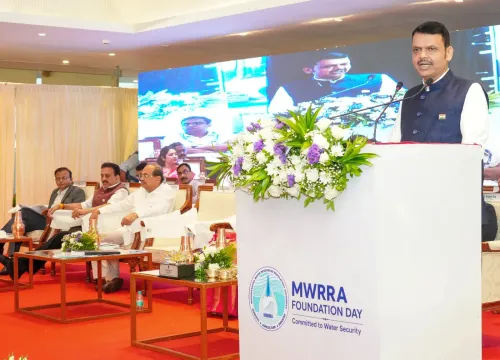
Meetings were conducted at the High Mount Guest House and involved the Maharashtra Water Resources Regulatory Authority (MWRRA) .
Maharashtra's State Water Policy (2019) shifted the state from project-centric to integrated river basin management.
The earlier Jalyukt Shivar Abhiyan (2015) aimed to make 25,000 villages water-neutral through watershed and micro-irrigation works.
Key stakeholders include farmers, irrigation-dependent districts, and urban local bodies across the state.
Upcoming state budget allocations for irrigation and MWRRA basin plan progress reports are the next milestones to watch.
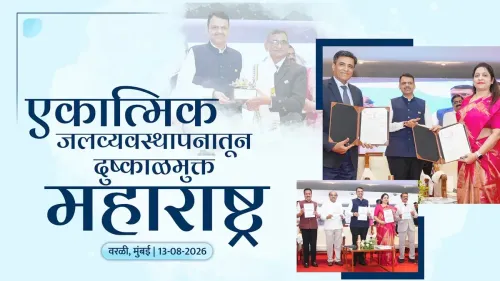
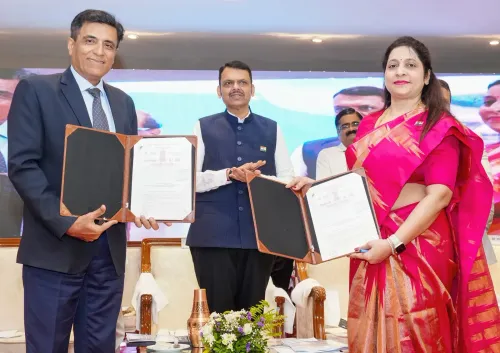
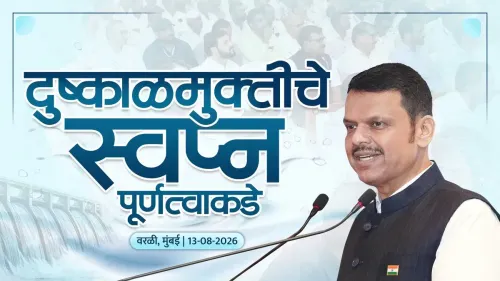
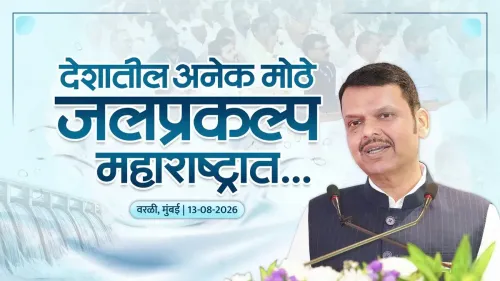
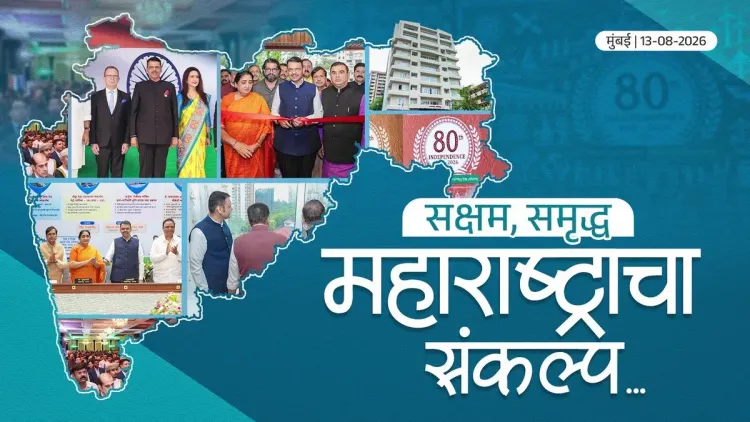
Water is the backbone of Maharashtra's agricultural economy — and on 13 August 2026, Maharashtra Chief Minister Devendra Fadnavis spent a focused day in Mumbai reviewing the state's integrated water management framework and modern infrastructure push, sharing glimpses from the engagements on X.
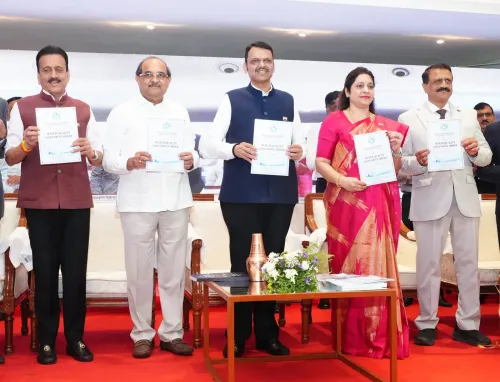
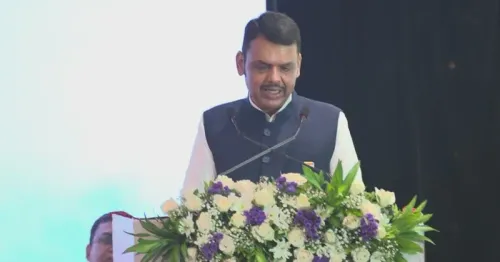
Fadnavis posted in both English and Marathi, describing the day as one dedicated to 'एकात्मिक जलव्यवस्थापन आणि आधुनिक पायाभूत सुविधांची भक्कम पायाभरणी' — 'laying a strong foundation for integrated water management and modern infrastructure' — towards a capable and prosperous Maharashtra. The meetings were held at the High Mount Guest House in Mumbai and involved the Maharashtra Water Resources Regulatory Authority (MWRRA).
What MWRRA Does — and Why It Matters Now
The MWRRA is Maharashtra's apex body for regulating water allocation, tariff structures, and integrated river basin planning. Its mandate sits at the intersection of farming survival and urban water security — two pressure points that intensify every time the monsoon underperforms or urban demand spikes.
Maharashtra's shift toward integrated water resource management has a clear policy lineage. The state adopted its State Water Policy in 2019, pivoting away from a project-by-project approach toward basin-wide planning. Before that, the Jalyukt Shivar Abhiyan, launched in 2015 under Fadnavis's first tenure as Chief Minister, targeted making 25,000 villages water-neutral through watershed works and micro-irrigation. The current engagement signals that the architecture built over the past decade is still being actively reinforced.
Infrastructure as Economic Leverage
Successive Maharashtra governments have treated water infrastructure — dams, canals, urban supply networks — not merely as utility but as economic scaffolding. Drought-prone districts in Marathwada and Vidarbha have historically borne the sharpest cost of inadequate water management, making every policy advance in this domain a direct intervention in farmer welfare and rural income.
Fadnavis, a senior BJP leader who has made irrigation and urban infrastructure central planks across his tenures, framing the day's review through the lens of a 'strong and prosperous Maharashtra' signals continuity of political priority rather than a one-off meeting.
What to Watch Next
The immediate signals to track: state budget allocations for irrigation in the next legislative session, and progress reports from the MWRRA on river basin management plans. Whether the 13 August 2026 High Mount discussions translate into new project announcements or revised water tariff frameworks will determine whether this review day marks a turning point or a routine check-in.
Maharashtra's water story is never just about rainfall. It is about governance — and the Chief Minister just put it back at the top of the agenda.
Point of View
Suggesting a maturing approach to water governance beyond dam-building optics. With drought-prone Marathwada and Vidarbha perpetually on the electoral map, water security remains one of the most potent levers a Maharashtra CM can pull. The real test will be whether the review translates into measurable budget commitments in the next legislative session.
NationPress
28 Sept 2026
Frequently Asked Questions
What is MWRRA and what does it do in Maharashtra?
The Maharashtra Water Resources Regulatory Authority (MWRRA) is the state body responsible for regulating water allocation, setting tariffs, and overseeing integrated river basin planning across Maharashtra. It plays a central role in balancing agricultural, industrial, and urban water needs.
What is Jalyukt Shivar Abhiyan?
Jalyukt Shivar Abhiyan was a flagship Maharashtra government scheme launched in 2015 during Fadnavis's first term as Chief Minister. It aimed to make 25,000 villages water-neutral through watershed development and micro-irrigation works to combat drought.
What did CM Fadnavis do on 13 August 2026?
CM Devendra Fadnavis spent 13 August 2026 in Mumbai at the High Mount Guest House , reviewing integrated water management and modern infrastructure initiatives involving the MWRRA .
What is Maharashtra's State Water Policy?
Maharashtra adopted its State Water Policy in 2019 , marking a shift from building individual irrigation projects to integrated, river basin-level water resource management aimed at long-term drought resilience.
Why is water management important for Maharashtra's economy?
Maharashtra includes drought-prone regions like Marathwada and Vidarbha where inadequate water access directly impacts farmer incomes and rural livelihoods. Effective water governance is therefore central to the state's agricultural output and overall economic competitiveness.