US-Japan seabed minerals pact: rare-earth cooperation expanded in 2026
Synopsis
Washington and Tokyo have mapped out a formal partnership on seabed minerals — covering rare-earth mud near Minamitorishima, polymetallic nodules, and deep-sea tech — as both allies push to break dependence on concentrated critical-mineral supply chains. With China dominating rare-earth processing, how fast this blueprint becomes operational infrastructure may define Indo-Pacific industrial security for the next decade.
Key Takeaways
The US and Japan released a joint statement on 12 November 2026 outlining a seabed minerals cooperation roadmap after working-group talks in Toyama .
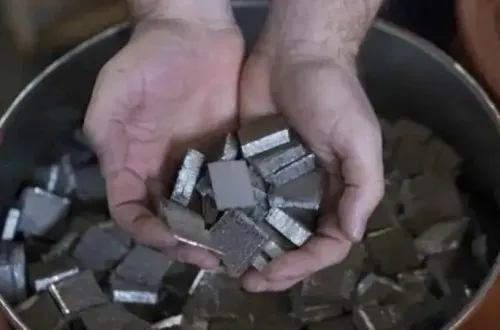
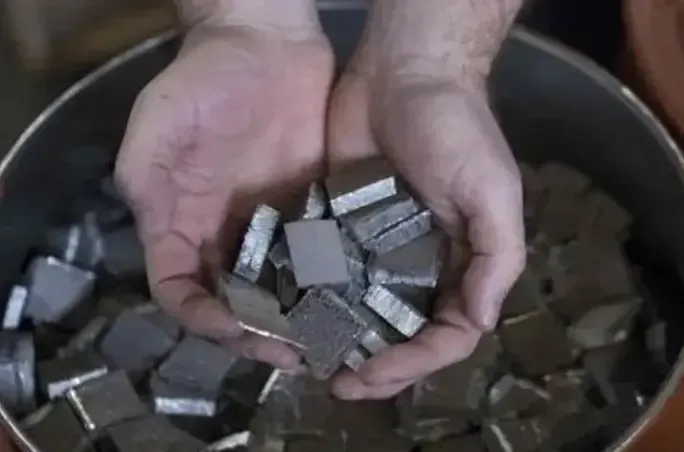
Cooperation covers Japan's rare-earth mud project near Minamitorishima Island and its polymetallic nodules project .
Priority areas include processing capacity among trusted partners, sensitive-technology safeguards, and deep-sea exploration data exchange.
No new regulatory approvals for either Japanese project were announced in the statement.
Both governments intend to seek additional partner countries for seabed mineral development; none were named.
Environmental assessments, impact reduction measures, and monitoring were identified as co-development obligations alongside commercial goals.
The United States and Japan on Thursday, 12 November 2026 unveiled a detailed roadmap to deepen cooperation on seabed minerals, including rare-earth deposits, processing capacity, and deep-sea exploration technology, as both nations race to diversify critical mineral supply chains considered vital to their economies and national security. A joint statement released by the US State Department followed two days of bilateral working-group meetings held in Toyama, Japan, on 11 and 12 November.
Key Developments from Toyama
The expanded engagement brought together government officials, industry representatives, researchers, and technical experts from both countries. Talks specifically covered Japan's rare-earth mud project near Minamitorishima Island and its polymetallic nodules project — two of the most closely watched seabed resource initiatives in the Indo-Pacific region. The statement did not announce new regulatory approvals for either project, but framed the discussions as a foundation for structured future collaboration.
What the Joint Statement Covers
'The two governments recognise the potential for responsible seabed mineral resource development to diversify critical mineral supplies, create new commercial opportunities, and support the two countries' industrial bases,' the joint statement said. Priority areas identified include commercial partnerships, joint research initiatives, regulatory exchanges, and explicit safeguards for sensitive technologies and proprietary information. The statement declined to name specific technologies or companies that would fall within those protections.
Reducing Supply-Chain Vulnerabilities
A central focus of the cooperation framework is securing processing capacity among trusted partners. This comes amid sustained global concern over concentration of critical mineral refining — particularly of rare earths — in a single dominant supplier. Both Washington and Tokyo have made reducing that dependence a strategic priority across semiconductor, electric-vehicle, and defence supply chains. Notably, this bilateral push mirrors wider multilateral efforts under frameworks such as the Quad and the Minerals Security Partnership, signalling that seabed resources are increasingly central to allied industrial strategy.
Environmental Commitments and Research Exchange
The two countries also committed to exchanging data on deep-sea exploration, seabed mapping, and resource assessment, alongside coordinated environmental assessments and measures to reduce ecological impacts of mineral extraction. The announcement explicitly pairs the investment objective with environmental mitigation and monitoring obligations — an acknowledgement of the scrutiny that deep-sea mining faces from scientific and conservation communities. Technological innovation in monitoring was identified as a co-development priority.
What Comes Next
Both governments said they intend to seek additional partner countries for seabed mineral development, though none were named in the statement. Coordination will draw on scientific, technological, industrial, diplomatic, and financial capabilities across agencies. As China continues to dominate global rare-earth processing, the pace at which Washington and Tokyo can operationalise these commitments — from exploration to commercial-scale processing — will determine whether the partnership meaningfully shifts the supply-chain balance.
Point of View
No named technology partners, no additional countries. The framework is deliberate scaffolding, not a deliverable — which suggests both governments are moving carefully to avoid over-promising on a domain where environmental, commercial, and geopolitical variables remain unsettled. The harder question is whether this bilateral architecture can scale fast enough to matter. China's grip on rare-earth processing did not emerge overnight, and bilateral statements — however well-structured — will need to be backed by concrete capital flows, permitting reforms, and processing-plant construction before they alter market reality. The reference to 'trusted partners' and technology safeguards is also a quiet signal about who is excluded from this supply chain — a geopolitical framing that will shape how other Indo-Pacific nations position themselves in the emerging seabed minerals race.
NationPress
12 Nov 2026
Frequently Asked Questions
What did the US and Japan agree on regarding seabed minerals?
The two countries outlined a cooperation framework covering rare-earth deposits, processing capacity, deep-sea exploration technology, joint research, and environmental safeguards, following working-group meetings in Toyama, Japan, on 11 and 12 November 2026. A joint statement from the US State Department identified commercial partnerships, regulatory exchanges, and sensitive-technology protections as priority areas.
What are Japan's seabed mineral projects discussed at the talks?
Japan's rare-earth mud project near Minamitorishima Island and its polymetallic nodules project were the two specific initiatives covered in the bilateral working-group discussions. No new regulatory approvals for either project were announced as part of the joint statement.
Why are seabed minerals strategically important for the US and Japan?
Both countries are seeking to diversify critical mineral supply chains — particularly rare earths — that are essential to semiconductor, electric-vehicle, and defence industries. Reducing dependence on dominant single-source suppliers is a stated national security priority for both Washington and Tokyo.
Will other countries join the US-Japan seabed minerals partnership?
Both governments stated their intention to seek additional partner countries for seabed mineral development, but no specific nations were named in the joint statement. Coordination is expected to draw on diplomatic and financial capabilities across agencies.
What environmental commitments were included in the cooperation plan?
The joint statement paired mineral development investment objectives with commitments to environmental impact assessments, measures to reduce ecological damage, monitoring programmes, and collaborative technological innovation in monitoring — reflecting scientific scrutiny of deep-sea mining practices.