Japan and India Collaborate to Harness Rajasthan's Rare Earth Resources
Synopsis
Japan and India are in talks to explore rare earth deposits in Rajasthan, marking a significant step towards reducing reliance on China for critical minerals. This collaboration aims to enhance mineral security and technological capabilities.
Key Takeaways
Japan and India are in discussions to jointly explore rare earth deposits in Rajasthan.
1.29 million metric tons of rare earth oxides have been identified in Rajasthan and Gujarat.
Japan plans to provide advanced extraction technology and financial support to India.
The collaboration aims to enhance mineral security for both nations.
Discussions are set against a backdrop of rising geopolitical tensions with China.
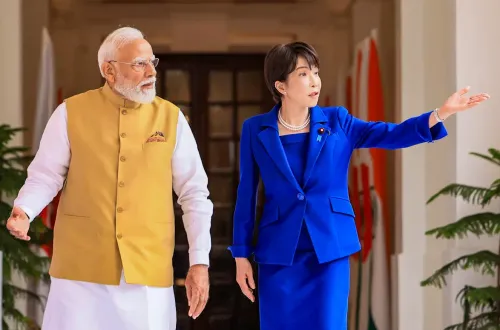
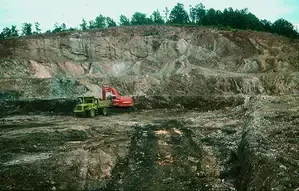
New Delhi, March 4 (NationPress) In a strategic effort to lessen reliance on China for essential minerals, Japan is currently in discussions with India regarding a joint exploration of rare earth deposits located in the arid region of Rajasthan, as per recent reports.
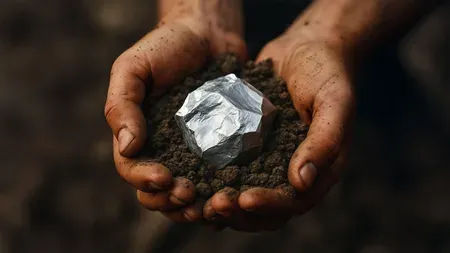
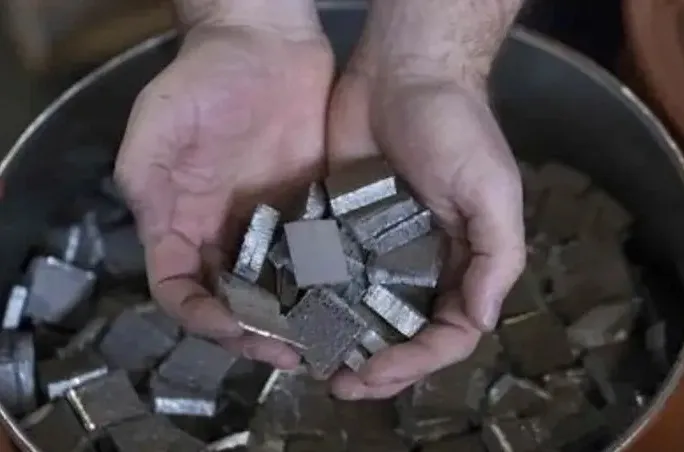
This initiative follows India's identification of three significant hard rock rare earth deposits in Rajasthan and Gujarat, which are estimated to contain around 1.29 million metric tons of rare earth oxides.
The announcement was made last month by Union Mines Minister G. Kishan Reddy, who highlighted that these findings could profoundly enhance India’s mineral security.
Sources indicate that the talks between New Delhi and Tokyo are part of a preliminary agreement on critical minerals that was signed last year. Under this proposed collaboration, Japan is expected to send experts to Rajasthan for an in-depth study of the deposits.
The government of Japan is likely to provide advanced extraction technology and financial backing in return for a consistent supply of rare earth materials to Japan.
Extracting hard rock rare earth deposits necessitates specialized techniques, which India currently lacks at a large scale. Therefore, Japan’s technological prowess may be crucial in the development of these resources.
Reports suggest that Japan is evaluating mining opportunities globally to diversify its mineral supplies, including rare earth elements. However, it was stated that no specific corporate partnerships or technology agreements concerning Rajasthan have been discussed as of yet.
Both India and Japan are aiming to diminish their dependence on Chinese imports of rare earth materials. These elements are vital for producing permanent magnets utilized in electric vehicle motors, wind turbines, fighter jets, and drones.
As one of the fastest-growing major economies globally, India views secure access to these materials as essential for its industrial and strategic goals.
The discussions also occur in the context of escalating tensions between Japan and China.
Recently, China imposed a ban on the export of certain dual-use items to 20 Japanese entities, alleging their connections to Japan’s military. This action effectively limits Japanese companies' access to seven rare earth elements and other critical minerals currently under China’s dual-use control.
In addition to rare earths, reports indicate that Japan is exploring partnerships with Indian firms to seek lithium, copper, and cobalt in Africa, as part of a broader strategy to ensure diversified and stable mineral supply chains.
Point of View
It's clear that the collaboration between Japan and India to explore rare earth deposits in Rajasthan is not just about economic interests; it reflects a strategic pivot towards self-reliance in critical minerals. This partnership could reshape the mineral supply landscape, especially in the context of rising geopolitical tensions and the pursuit of technological advancements.
NationPress
5 Oct 2026
Frequently Asked Questions
Why are Japan and India collaborating on rare earth deposits?
Japan and India are collaborating to reduce their dependence on China for critical minerals, particularly rare earth elements essential for advanced technologies.
What are rare earth elements used for?
Rare earth elements are crucial for manufacturing permanent magnets in electric vehicles, wind turbines, fighter jets, and drones.
How much rare earth material is estimated to be in Rajasthan?
Rajasthan is estimated to have around 1.29 million metric tons of rare earth oxides.
What technology will Japan provide to India?
Japan is expected to offer advanced extraction technology to help India develop its rare earth deposits.
What geopolitical context surrounds this collaboration?
The collaboration comes amid rising tensions between Japan and China, particularly concerning export restrictions on critical minerals.