CM Fadnavis Champions Maharashtra's Water Roadmap at MWRRA Day
Synopsis
At the MWRRA Foundation Day in Mumbai, CM Devendra Fadnavis highlighted Maharashtra's pioneering Integrated Water Plan — spanning Godavari, Krishna, Tapi, Narmada and Konkan basins — updated in 2024 to incorporate river-linking projects, and aimed at making the state drought-free.
Key Takeaways
Maharashtra was the first Indian state to establish a Water Resources Regulatory Authority, under the MWRRA Act of 2005 .
The state's Integrated Water Plan covers the Godavari (nearly 50% of river basin area), Krishna, Tapi, Narmada and Konkan west-flowing rivers.
The plan was updated in 2024 to reflect changes from river-linking projects.
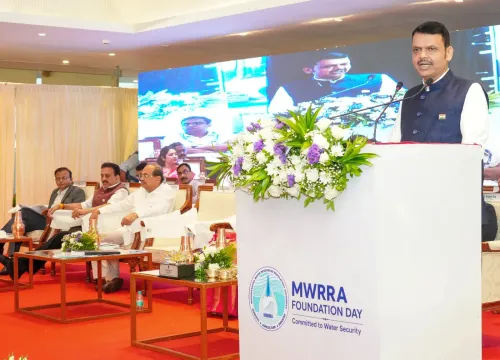
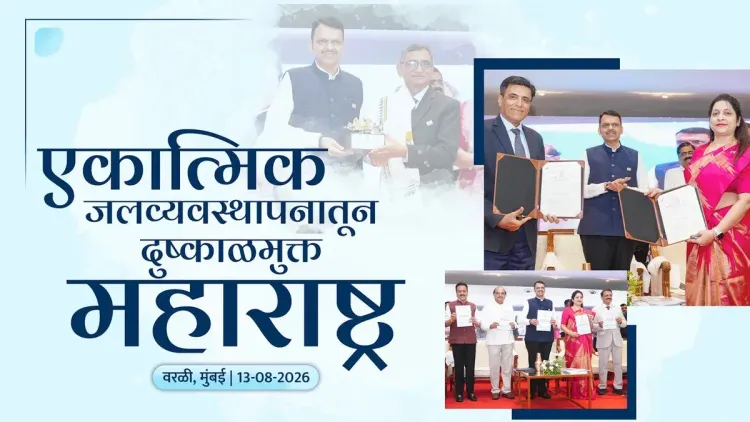
CM Devendra Fadnavis attended the MWRRA Foundation Day seminar in Mumbai on August 13, 2026 .
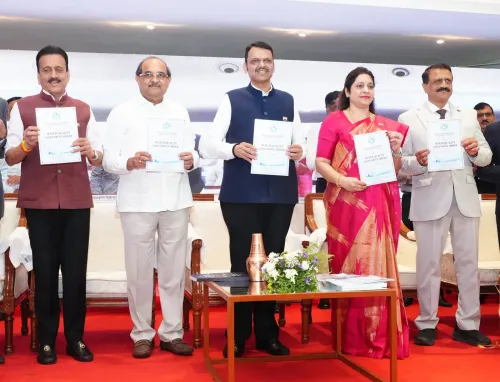
Ministers Radhakrishna Vikhe Patil and Girish Mahajan were present at the event.
The framework is designed to ensure water security for agriculture, drinking water, and industries across Maharashtra.
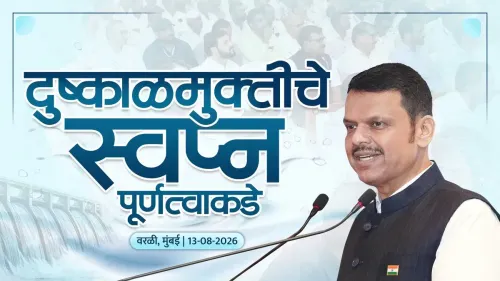
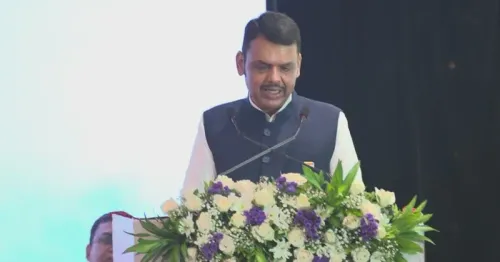
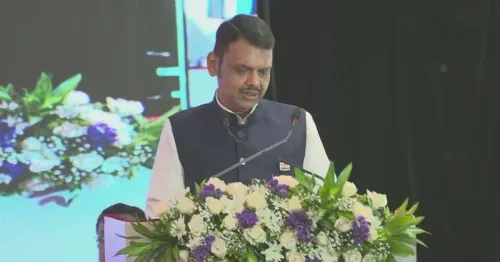
A state that once led India into uncharted regulatory territory for water is now doubling down on that legacy. Maharashtra Chief Minister Devendra Fadnavis attended the Foundation Day seminar and workshop of the Maharashtra Water Resources Regulatory Authority (MWRRA) in Mumbai on Thursday, August 13, 2026, reaffirming the state's commitment to making Maharashtra drought-free through integrated, basin-level water planning.
India's First Water Regulator — and How It Was Born
Maharashtra did not wait for a national template. When the state enacted the Maharashtra Water Resources Regulatory Authority Act in 2005, it became the first state in India to create a dedicated regulatory body for water resources — a move that set a benchmark for institutional water governance across the country. The MWRRA's mandate covers allocation, pricing, and long-term planning, pulling decisions out of ad hoc politics and into a structured regulatory framework.
That institutional boldness was the foundation for everything that followed.
From the Godavari to the Konkan: Building a State-Wide Water Blueprint
The planning process began where the stakes were highest. The Godavari basin — accounting for nearly 50% of Maharashtra's total river basin area — was the first to receive a dedicated Integrated Water Plan. From there, the state systematically extended the exercise to the Krishna, Tapi, and Narmada basins, and then to the west-flowing rivers of the Konkan region. Each basin-specific plan was eventually woven into a single Maharashtra Integrated Water Plan — a unified framework rare in Indian state governance.
In 2024, the plan was updated to account for changes arising from river-linking projects, keeping the framework current with evolving infrastructure realities. CM Fadnavis described the plan as the active guide for the state's drought-proofing efforts and water security across agriculture, drinking water supply, and industry.
Ministers, Officials, and a Shared Accountability
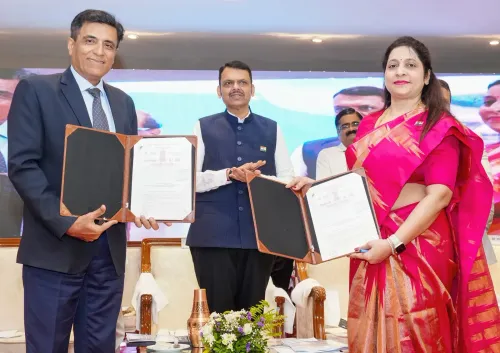
Minister Radhakrishna Vikhe Patil and Minister Girish Mahajan, both key figures in Maharashtra's water resources governance, were present at the event alongside other senior dignitaries. CM Fadnavis specifically praised the MWRRA and the Water Resources Department officials for what he called 'thoughtful and exemplary work' — a public acknowledgment that places institutional credit squarely on the regulatory body, not just political leadership.
That framing matters. It signals an intent to sustain the MWRRA's authority as a technocratic institution rather than fold water decisions back into ministerial discretion.
Maharashtra's Drought Challenge and What the Plan Must Deliver
The state's ambition to be drought-free is not rhetorical. Maharashtra has historically been one of India's most drought-prone states, with the Marathwada and Vidarbha regions repeatedly facing acute water stress that drives agrarian distress. The Integrated Water Plan — if implemented at scale — is designed to shift the state from crisis response to structural water security, ensuring that agriculture, urban consumption, and industrial demand are planned for rather than scrambled after.
The real test now lies in the rollout of projects under the updated plan and whether measurable improvements in water availability reach farmers and communities on the ground.
Point of View
CM Fadnavis is reinforcing the MWRRA's technocratic standing, which is essential for its long-term credibility. The 2024 update to incorporate river-linking projects signals that the state is integrating large infrastructure decisions into its planning framework rather than treating them as separate political wins. Whether this institutional architecture can translate into measurable drought relief for Marathwada and Vidarbha is the defining question for Maharashtra's water future.
NationPress
28 Sept 2026
Frequently Asked Questions
What is the Maharashtra Water Resources Regulatory Authority (MWRRA)?
The MWRRA is India's first state-level water regulatory body, established under the Maharashtra Water Resources Regulatory Authority Act of 2005. It oversees water allocation, pricing, and long-term integrated planning across the state's river basins.
What is Maharashtra's Integrated Water Plan?
Maharashtra's Integrated Water Plan is a unified, basin-level water management framework covering the Godavari, Krishna, Tapi, Narmada and Konkan west-flowing rivers. It was updated in 2024 to account for river-linking projects and guides efforts to make the state drought-free.
Why is the Godavari basin significant in Maharashtra's water planning?
The Godavari basin covers nearly 50% of Maharashtra's total river basin area, making it the largest and most critical basin in the state. It was the starting point for Maharashtra's Integrated Water Plan before coverage was extended to other basins.
What did CM Devendra Fadnavis say at the MWRRA Foundation Day 2026?
CM Fadnavis attended the MWRRA Foundation Day seminar in Mumbai on August 13, 2026, and highlighted Maharashtra's pioneering role in water regulation, the scope of the Integrated Water Plan, and praised MWRRA officials and the Water Resources Department for their work.
Which ministers attended the MWRRA Foundation Day event?
Ministers Radhakrishna Vikhe Patil and Girish Mahajan, both associated with Maharashtra's water resources governance, attended the Foundation Day seminar alongside CM Devendra Fadnavis and other senior dignitaries.