CM Fadnavis Vows Fast-Track Drought-Free Maharashtra Drive
Synopsis
At the MWRRA Foundation Day symposium in Mumbai on August 13, CM Devendra Fadnavis declared that Maharashtra's drought-free drive is moving at full speed, spotlighting the 2005-established water regulator as the backbone of the state's push to end chronic water stress in Marathwada, Vidarbha, and rain-shadow districts.
Key Takeaways
CM Devendra Fadnavis stated on August 13, 2026 that work to make all regions of Maharashtra drought-free is progressing rapidly.
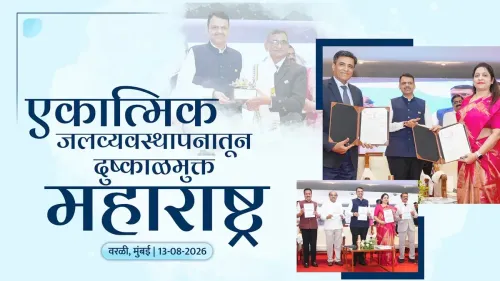
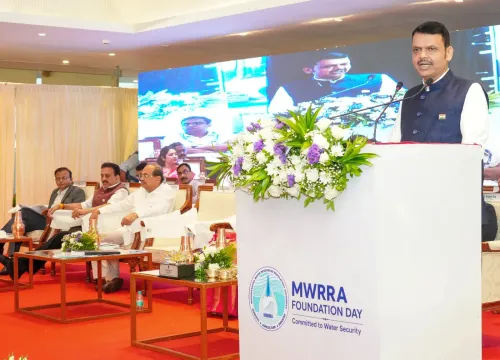
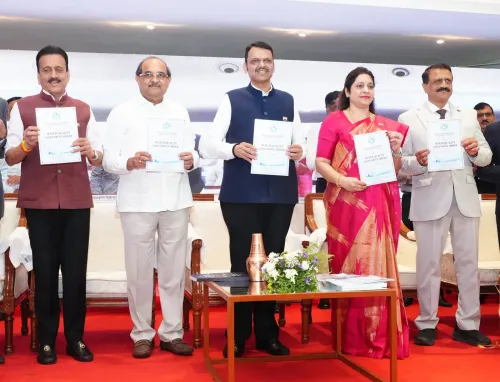
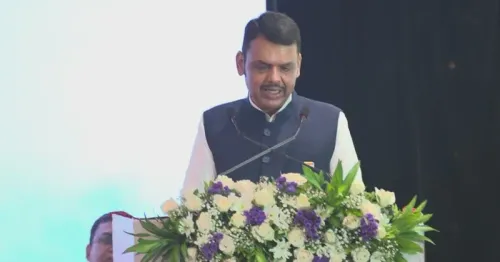
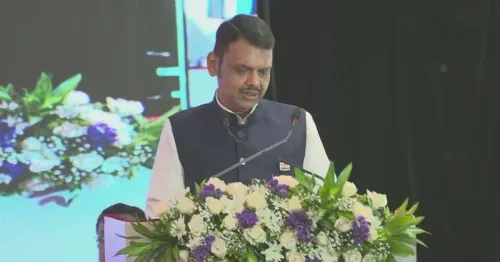
The announcement was made at the MWRRA Foundation Day symposium and workshop held in Mumbai .
The Maharashtra Water Resources Regulatory Authority (MWRRA) was established under the MWRRA Act of 2005 to regulate water allocation, tariffs, and dispute resolution.
Chronic drought-prone zones include Marathwada , Vidarbha , and parts of western Maharashtra, where farmers and rural households bear the highest impact.
The next concrete benchmarks to watch are MWRRA's annual water-entitlement reports and any drought-proofing targets in the state's monsoon review or budget.
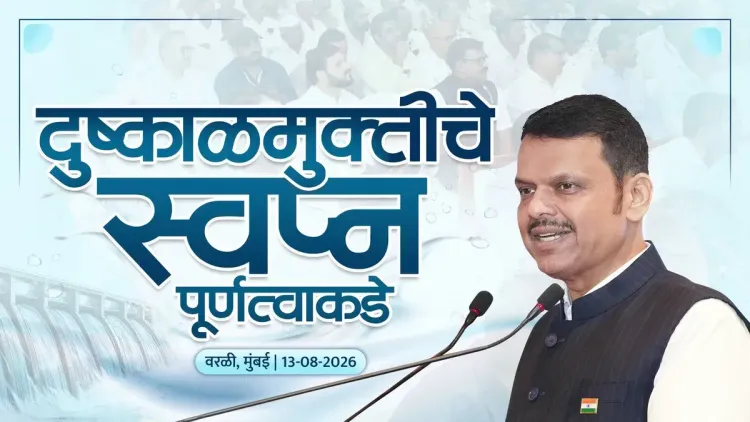
At a seminar marking the anniversary of Maharashtra's water regulator, Maharashtra Chief Minister Devendra Fadnavis declared on Thursday, August 13, 2026 that the mission to make every region of the state drought-free is advancing at full speed — a signal that water security has moved from campaign promise to active state priority.
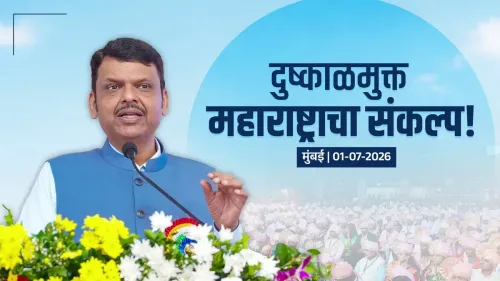
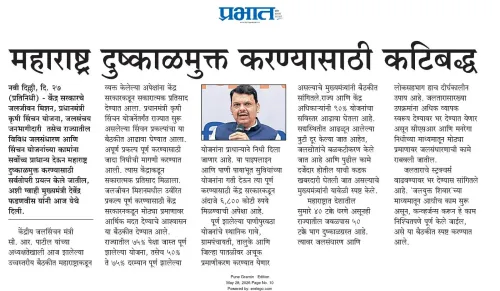
Speaking at the Maharashtra Water Resources Regulatory Authority (MWRRA) Foundation Day symposium and workshop in Mumbai, Fadnavis stated in Marathi and Hindi: 'महाराष्ट्रातील सर्व भाग दुष्काळमुक्त करण्याचे काम अतिशय वेगाने सुरू आहे' — 'The work of making all regions of Maharashtra drought-free is proceeding very rapidly.'
MWRRA at the Centre of Maharashtra's Water Equation
The Maharashtra Water Resources Regulatory Authority was established under the MWRRA Act of 2005 to bring independent oversight to water allocation, pricing, and dispute resolution across the state. Its creation was a recognition that equitable water distribution — not just dam-building — was the real frontier. Two decades on, it remains the institutional spine of the state's drought-response architecture.
Maharashtra's vulnerability is structural. The districts of Marathwada, Vidarbha, and parts of western Maharashtra fall in rain-shadow zones, where erratic monsoons translate directly into crop failure and rural distress. Farmers and rural households in these belts have lived through cyclical drought declarations for generations.
A Recurring Promise, a Persistent Problem
Successive Maharashtra governments have framed drought mitigation as a flagship commitment, pairing regulatory institutions like MWRRA with watershed development and irrigation expansion. The political logic is straightforward — agricultural stability in these districts is electoral bedrock. What has changed under the current administration, if Fadnavis's claim holds, is the pace of execution.
The chief minister's choice of this platform — an anniversary symposium of the state's water regulator — is itself a statement. It positions MWRRA not as a bureaucratic anniversary event but as a live instrument of policy delivery, with the CM publicly staking credibility on its momentum.
The real test will come in the MWRRA's next annual report on water entitlements and in any drought-proofing targets embedded in the state's monsoon review or upcoming budget. Numbers, not declarations, will settle the question of how fast is 'very fast.'
Point of View
And anchoring it to MWRRA signals an intent to make the regulator accountable, not just ceremonial. The broader arc is one of institutional credibility: if the CM publicly ties his government's performance to a specific body's outcomes, that body's next report card becomes a political document. The pitch is ambitious; the delivery timeline will be the real story.
NationPress
27 Sept 2026
Frequently Asked Questions
What did CM Devendra Fadnavis say about Maharashtra's drought situation?
CM Fadnavis declared on August 13, 2026, that the work to make all regions of Maharashtra drought-free is proceeding very rapidly, speaking at the MWRRA Foundation Day event in Mumbai.
What is MWRRA and what does it do?
MWRRA stands for Maharashtra Water Resources Regulatory Authority. Established under the MWRRA Act of 2005, it is an independent state body that regulates water allocation, tariffs, and dispute resolution to ensure equitable and sustainable water distribution across Maharashtra.
Which regions of Maharashtra are most affected by drought?
The districts of Marathwada, Vidarbha, and parts of western Maharashtra fall in rain-shadow zones and are most vulnerable to recurrent drought, with farmers and rural households bearing the greatest impact.
What is the Maharashtra government's drought-free mission?
The Maharashtra government's drought-free mission aims to eliminate drought conditions across all regions of the state through a combination of regulatory oversight by MWRRA, watershed development, and expanded irrigation programmes.
When was the MWRRA Foundation Day seminar held?
The MWRRA Foundation Day symposium and workshop was held on August 13, 2026, in Mumbai, where CM Devendra Fadnavis made his remarks on the drought-free drive.