CM Fadnavis Opens MWRRA Anniversary Seminar in Mumbai
Synopsis
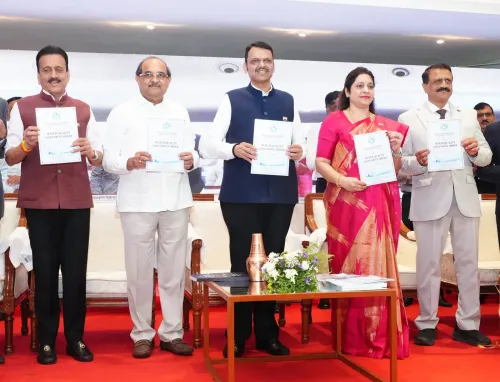
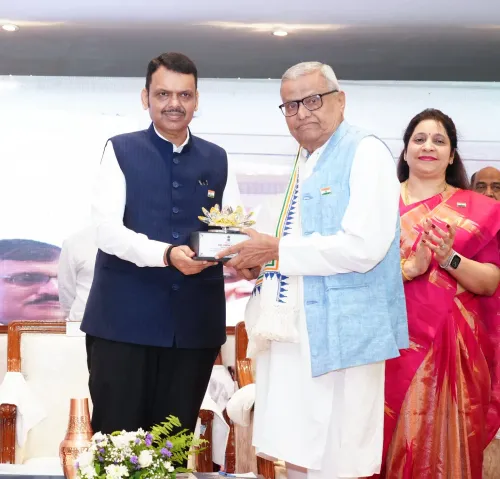
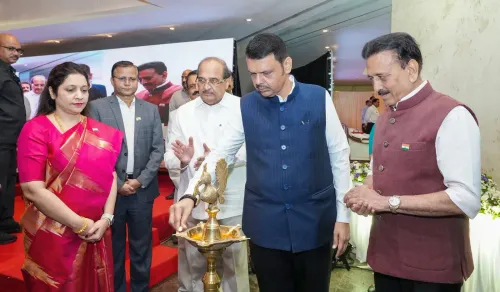
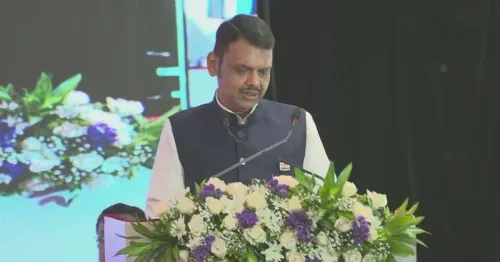
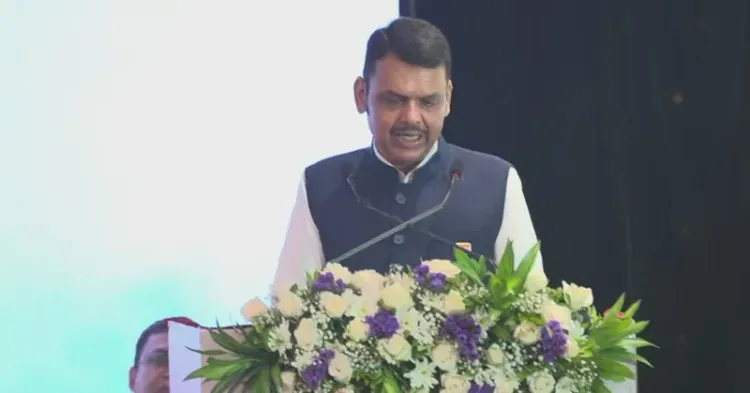
Maharashtra CM Devendra Fadnavis inaugurated a seminar and workshop at Worli, Mumbai, on 13 August 2026 to mark the foundation day anniversary of MWRRA, the statutory body that regulates water allocation and tariffs across the state.
Key Takeaways
CM Devendra Fadnavis inaugurated the MWRRA foundation day seminar and workshop at Worli, Mumbai on 13 August 2026 .
The Maharashtra Water Resources Regulatory Authority was established under a 2005 Act to independently regulate water allocation, tariffs, and entitlements.
MWRRA's mandate covers both farmers dependent on irrigation canals and urban water utilities serving millions of residents.
Maharashtra has built a broader governance model of sector-specific independent regulators in water and power to insulate regulation from political cycles.
Key outputs to watch: possible revisions to water tariff orders or amendments to water entitlement rules emerging from the workshop.
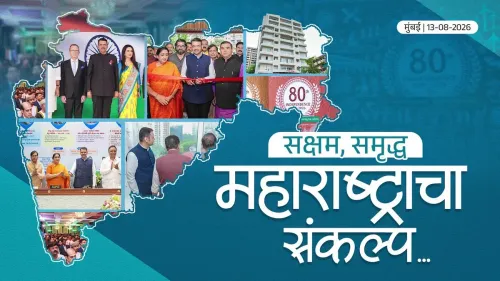
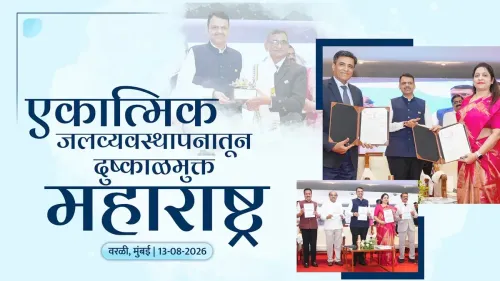
At Worli, Mumbai, on 13 August 2026, Maharashtra Chief Minister Devendra Fadnavis inaugurated a seminar and workshop marking the foundation day anniversary of the Maharashtra Water Resources Regulatory Authority (MWRRA) — a statutory body that sits at the heart of how the state distributes, prices, and governs every drop of its surface and groundwater.
What MWRRA does — and why it matters
Established under the Maharashtra Water Resources Regulatory Authority Act, 2005, the MWRRA was created to bring an independent regulatory layer between the state government and the end users of water — farmers drawing from irrigation canals and urban utilities supplying millions of households. Its core mandate: set water tariffs, define entitlements, and adjudicate disputes without political interference.
Maharashtra is a state of stark water contrasts — flood-prone Konkan coastline, perpetually drought-stressed Marathwada, and a rapidly urbanising Mumbai Metropolitan Region all pulling on the same finite resource. An anniversary seminar of this kind is not mere ceremony; it is the institution taking stock of how well that balancing act is working.
Sector regulation as a governance model
The MWRRA fits within a deliberate Maharashtra governance pattern: carving out independent regulators — in water, in power — to separate policy-making from day-to-day regulation and service delivery. The logic is that a statutory authority insulated from electoral cycles can enforce tariff orders and entitlement frameworks more consistently than a government department answering to the budget cycle.
CM Fadnavis's presence at the inauguration signals that the state's political leadership views the authority's institutional health as a priority. Workshops tied to anniversary events typically serve as forums for reviewing pending tariff orders, examining gaps in entitlement implementation, and setting the regulatory agenda for the year ahead.
What to watch from here
The key deliverable to track out of any MWRRA anniversary event is whether the authority signals revisions to its water tariff orders or amendments to entitlement rules — decisions that directly affect what farmers pay for canal water and what municipalities charge consumers. Those announcements, if any emerge from the 13 August 2026 workshop, will be the real measure of the day's significance.
Maharashtra's water governance framework is two decades old. The question the seminar implicitly poses is whether a 2005-era regulatory architecture is still fit for a state whose climate pressures, urban demand, and agricultural stress have all intensified since.
Point of View
And its continued visibility at the chief ministerial level suggests the state is invested in the regulator's credibility. The deeper political calculus is significant: water is the single most volatile issue in Maharashtra's agrarian heartland, and a functioning independent regulator provides the government some insulation from tariff-related farmer discontent. Whether the workshop translates into concrete tariff or entitlement announcements will determine if this is governance in action or governance as optics.
NationPress
28 Sept 2026
Frequently Asked Questions
What is MWRRA and what does it do?
The Maharashtra Water Resources Regulatory Authority (MWRRA) is a statutory body established under a 2005 state Act. It independently regulates the allocation, pricing, and entitlement of surface and groundwater resources in Maharashtra, covering both agricultural and urban water users.
Why did CM Fadnavis attend the MWRRA anniversary event?
CM Devendra Fadnavis inaugurated the foundation day seminar and workshop at Worli, Mumbai on 13 August 2026, signalling the state government's commitment to strengthening Maharashtra's water regulatory framework.
When was MWRRA established?
MWRRA was established under the Maharashtra Water Resources Regulatory Authority Act, 2005, making it a two-decade-old institution by the time of the 2026 anniversary event.
Who are the main stakeholders affected by MWRRA decisions?
The two primary stakeholder groups are farmers who rely on canal irrigation water and urban water utilities that supply municipal water to city residents across Maharashtra.
What outcomes should be expected from the MWRRA anniversary workshop?
Events of this kind typically serve as forums to review pending tariff orders and entitlement frameworks. The key deliverable to watch is whether MWRRA signals revisions to water tariffs or amendments to water entitlement rules.